
I have seen many pool owners worry when winter arrives and their salt water chlorinator seems to slow down for no clear reason. The pump is running. The salt level looks fine. The cell is clean enough. Yet chlorine output drops, or the unit shuts off. It feels strange at first. But in most cases, it is normal.
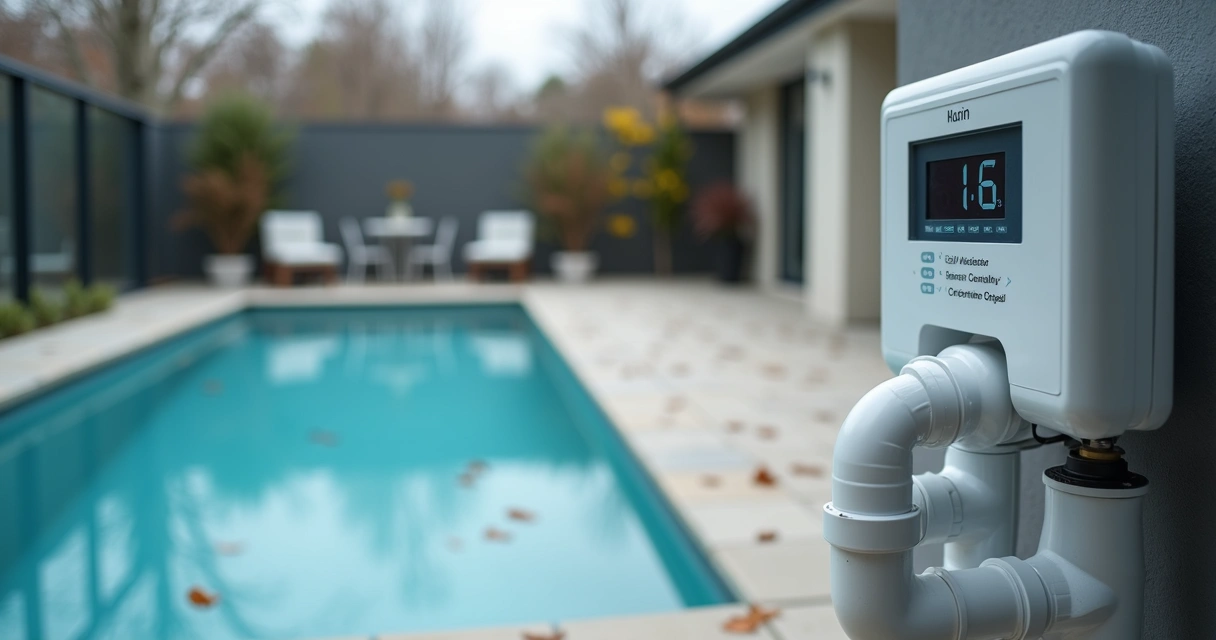
Most salt water chlorinators reduce output or switch off when water falls below about 16°C, although the exact point can vary by brand and model.
This detail often gets missed, even though it is usually written in the manual. I think that happens because many people only look for that note after the weather turns cold and the chlorinator starts acting differently. In Australia, this is not usually a major problem because winters are mild in many areas. Still, it is useful to know what your system is doing and why.
What is really happening in cold water?
The science is simple. A salt chlorinator makes chlorine by passing electricity through salty pool water inside the cell. For that to work well, the water needs to conduct electricity properly. Cold water does this less well than warm water.
Cold water has lower conductivity, so the chlorinator has a harder time producing chlorine.
If a unit kept forcing full output in very cold water, the salt cell could wear faster. That is why many systems are designed to protect themselves. Some reduce output step by step. Others stop chlorine generation altogether once the water gets too cold.
It is a protection feature, not a fault.
In my experience, that one idea helps pool owners relax. The chlorinator is often doing exactly what it was built to do.
Why makers build them this way
A salt cell is not cheap, so it makes sense to protect it. When water temperature drops, the cell has to work harder for the same result. Over time, that strain can shorten cell life. Manufacturers know this, so many units include low-temperature cut-offs or output limits.
If you want a broader view of how these systems operate, I suggest reading MyPoolMate’s guide on how pool chlorinators work, types, pros, mistakes. I like that topic because once I understand the cell’s job, winter behaviour makes much more sense.
Some newer chlorinators also come with a winter mode. This mode is meant to help the unit run better in cooler water without putting too much stress on the cell. It does not mean unlimited output in cold conditions, but it can allow steadier operation during mild winter days.
Why this is usually not a big problem in Australia
Australia has a wide range of climates, but many residential pools do not sit in deep freeze for long stretches. In a lot of places, winter water gets cool, not extreme. That means many owners will see reduced chlorinator output now and then, but not a long season of total shutdown.
I also think winter pool care feels more dramatic than it really is. The water is colder, people use the pool less, and every test result gets extra attention. But the pool itself is under less biological pressure.
Lower winter chlorine production is usually fine because algae grow much more slowly in cold water.
That point matters. In summer, low chlorine can cause trouble fast. In winter, the same drop often causes no immediate issue at all. The pool’s chlorine demand is lower, sunlight is weaker, and swimmer load is lighter.
What pool owners often overlook
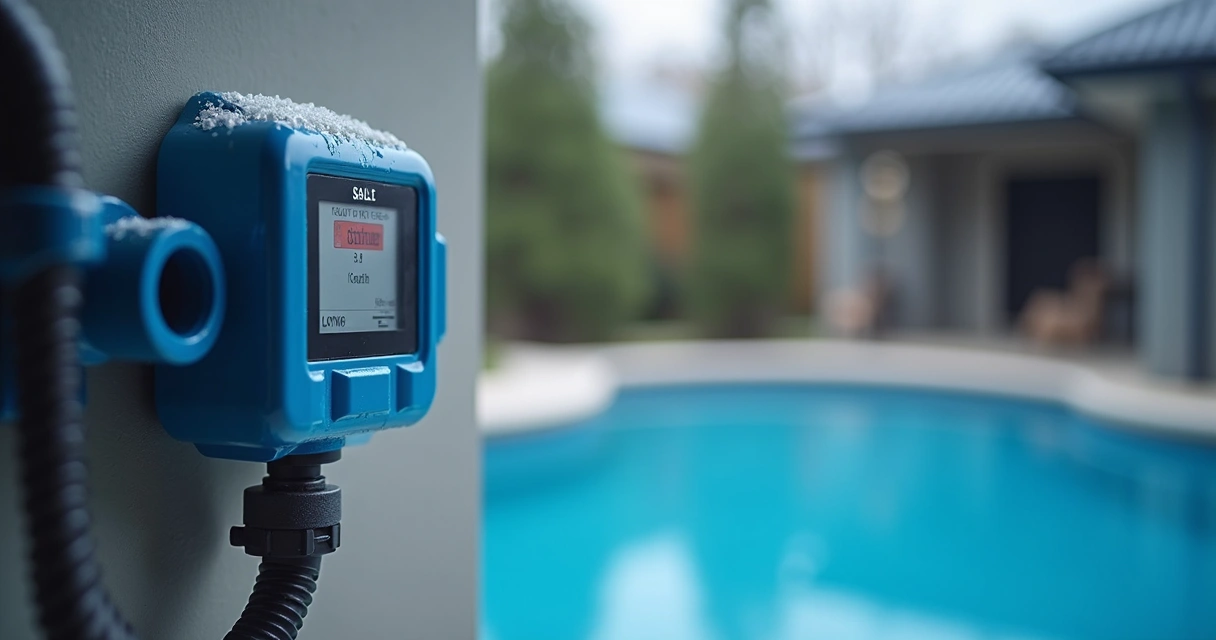
I have noticed that people often look at salt level, pH, and free chlorine, but not water temperature. That can lead to confusion. A pool owner may think the chlorinator is failing when it is just responding to cold water.
Here are a few signs that winter temperature may be the reason:
The chlorinator output drops as the weather cools.
The unit shows a low-temp or winter message.
The cell is clean, salt is in range, but chlorine production still slows.
The system works normally again after a warmer spell.
If the behaviour seems less predictable than that, I would compare it with a proper fault check. MyPoolMate readers may find this helpful: salt water chlorinator troubleshooting, 12 issues and fixes. It helps separate normal winter behaviour from a real equipment problem.
What to do if chlorine gets too low
This is the part that many people hesitate over. They own a salt pool, so they assume all chlorine must come from the chlorinator. That is not true.
A salt water pool is still a chlorine pool, so adding normal chlorine when needed is safe and sensible.
If you get an unusually long cold period and your free chlorine drops too far, you can top it up with regular chlorine. That small adjustment can hold the pool steady until water temperatures rise again. I think this is one of the most practical winter habits a pool owner can learn.
A simple winter response can look like this:
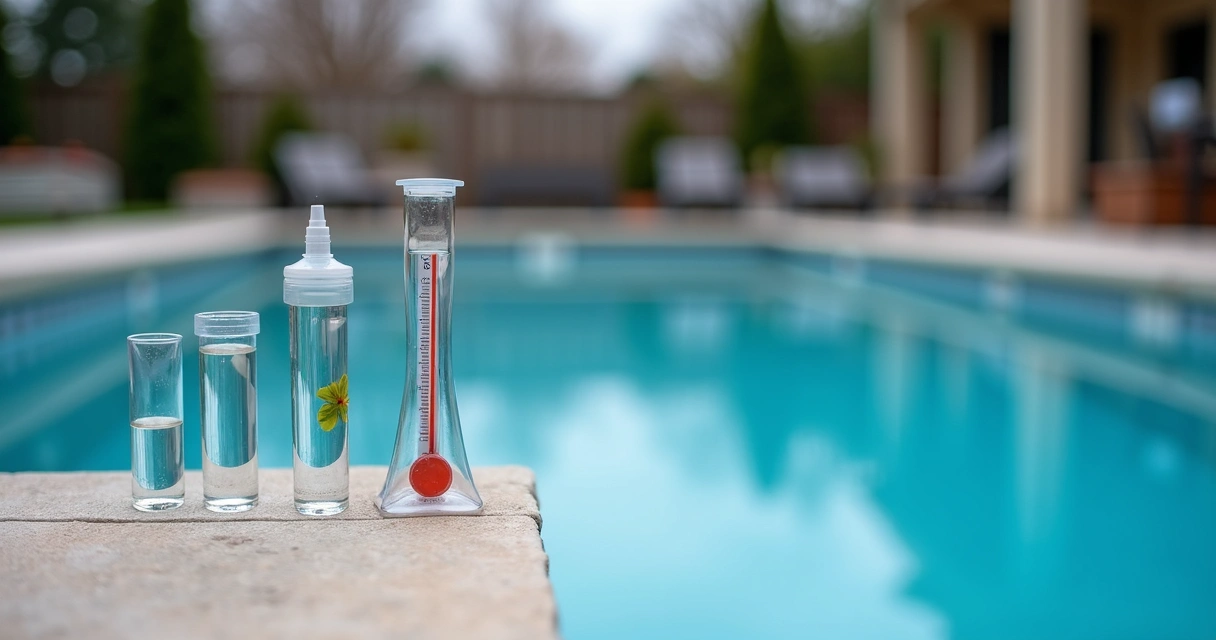
Test the water and confirm free chlorine is actually low.
Check the water temperature and your chlorinator display.
Make sure salt level and cell condition are still acceptable.
Add a measured chlorine top-up if the level has fallen too much.
Retest after circulation and keep monitoring.
If your salt level is off, that can add another layer to the issue. I would also review fix high pool salt levels with simple steps and accurate testing, since salt balance and chlorinator performance always go together.
How I would manage a salt pool in winter
I prefer a calm approach. Not passive, just calm. Winter is not the season for panic dosing.
My basic focus would be:
Keep testing, even if less often than in summer.
Watch free chlorine, pH, and salt level.
Do not force the chlorinator beyond what the cold water allows.
Use liquid or granular chlorine if a top-up is needed.
For owners who like guided records and trend tracking, MyPoolMate is useful here because it keeps test history, seasonal presets, and pool-specific targets together. I think that makes winter decisions less emotional and more based on what the water is actually doing. If you want more reading around balance and seasonal care, the articles in the pool chemistry section are a good place to continue.
If your pool uses a specific unit and you want a more model-focused view, this piece on the Axis salt chlorinator guide may help you compare features such as temperature behaviour and winter settings.
Conclusion
When a salt water chlorinator lowers output in cold weather, I do not see that as bad news. I see it as normal design. Most systems begin to reduce production or stop around 16°C, give or take, because cold water is less conductive and harder on the cell. In Australia, that usually does not create much trouble, since winter algae pressure is lower and pool demand drops too.
If chlorine slips too low during a longer cold spell, a normal chlorine top-up is fine. That is smart pool care, not a sign that the salt system has failed. If you want a simpler way to track winter trends, test results, and personalised treatment advice for your own pool, I suggest getting to know MyPoolMate.
Frequently asked questions
Why does output drop in cold weather?
Output drops because cold water conducts electricity less well than warm water. That makes it harder for the salt cell to generate chlorine. Many chlorinators reduce output or switch off to protect the cell from extra strain.
How to increase chlorinator output in winter?
You usually should not try to force higher output if the unit is limiting itself due to water temperature. Instead, test the water, keep salt and pH in range, clean the cell if needed, and add a small dose of normal chlorine if free chlorine falls too low. Some newer models also have a winter mode.
Is it safe to run at low output?
Yes, in many cases it is safe, because chlorine demand is lower in winter and algae grow more slowly in cold water. The key is to keep testing so chlorine does not drift too far down for too long.
What temperature affects salt chlorinators most?
Many units begin reducing output or shut off when water temperature goes below about 16°C, though the exact point varies by model. Your manual will usually list the temperature range for your chlorinator.
Can I use my pool in winter?
Yes, you can use your pool in winter if the water is safe and balanced. The lower chlorinator output does not stop pool use by itself. Just keep the water tested and top up chlorine if needed.