
When I moved to Brisbane, I quickly discovered that looking after a swimming pool isn’t the kind of “set and forget” job I’d imagined. Subtropical weather means hot, humid summers with sudden storms and mild winters that still invite a refreshing dip. The changing seasons present real challenges, from out-of-balance water chemistry to stubborn algae and even rapid chemical loss after heavy rainfall. Like many Brisbane pool owners, I’ve learned that generic advice often falls short in this unique climate.
Why Brisbane pools need their own care plan
Unlike cooler cities, Brisbane’s warmth and UV exposure accelerate chlorine breakdown and fuel rapid algae growth. I’ve noticed how quickly a clear pool can turn cloudy after a week’s neglect or the arrival of unexpected rainstorms. The city council also details responsibilities for preventing pools from becoming health hazards, which includes mosquito breeding and water quality—both are more frequent threats in our climate (Brisbane City Council guidance on preventing pools and ponds becoming health and safety hazards).
Strong sun, falling leaves and warm water mean regular testing, cleaning, and the right chemicals are non-negotiable. I’ve learned that doing “just enough” rarely keeps things balanced for long. It’s not just about keeping the water inviting; it’s about the health and safety of everyone who swims. The state government urges regular water health checks for just this reason (Queensland Government guidance on assessing water health).
Smarter, not harder: How personalized pool care beats generic advice
At first, I followed one-size-fits-all recommendations but quickly saw that these often led to wasted chemicals or persistent issues. Too much chlorine is harsh on skin and surfaces, while too little opens the door for algae and bacteria to flourish. I found the best results come from advice tuned to my own pool’s specs—volume, surface, and even how it’s used aren’t trivial details, but essential pieces of the puzzle.
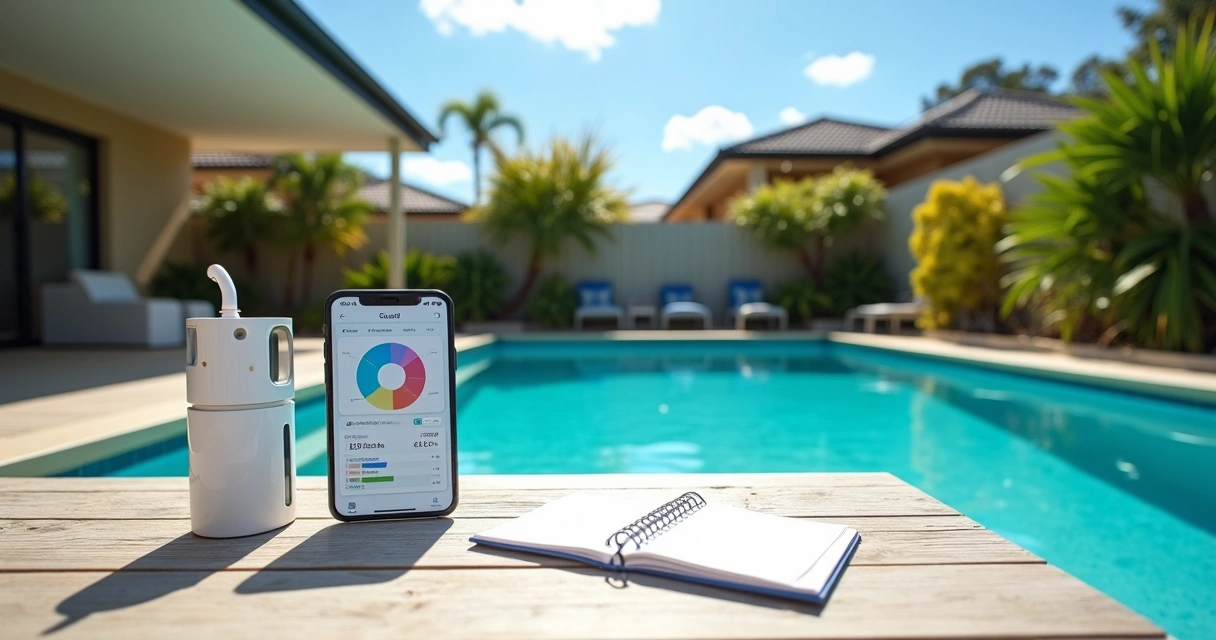
With platforms like MyPoolMate, I’ve experienced the difference true personalization makes. This pool management app doesn’t just catalogue my test results; it analyses them based on everything unique about my pool. The AI gives clear, targeted next steps and even shifts chemical targets to match summer or winter. This explains why tasks like brushing, vacuuming, and maintaining sanitiser levels now feel easier, less wasteful, and more effective.

How to keep your Brisbane pool healthy all year
I always start with a schedule—without it, it’s easy to miss those small jobs that matter most. Here’s how I break it down:
- Test water chemistry weekly in summer, fortnightly in winter (and always after storms or heavy use).
- Scrub walls and steps, vacuum the floor, and empty skimmer baskets at least once a week in peak swimming season.
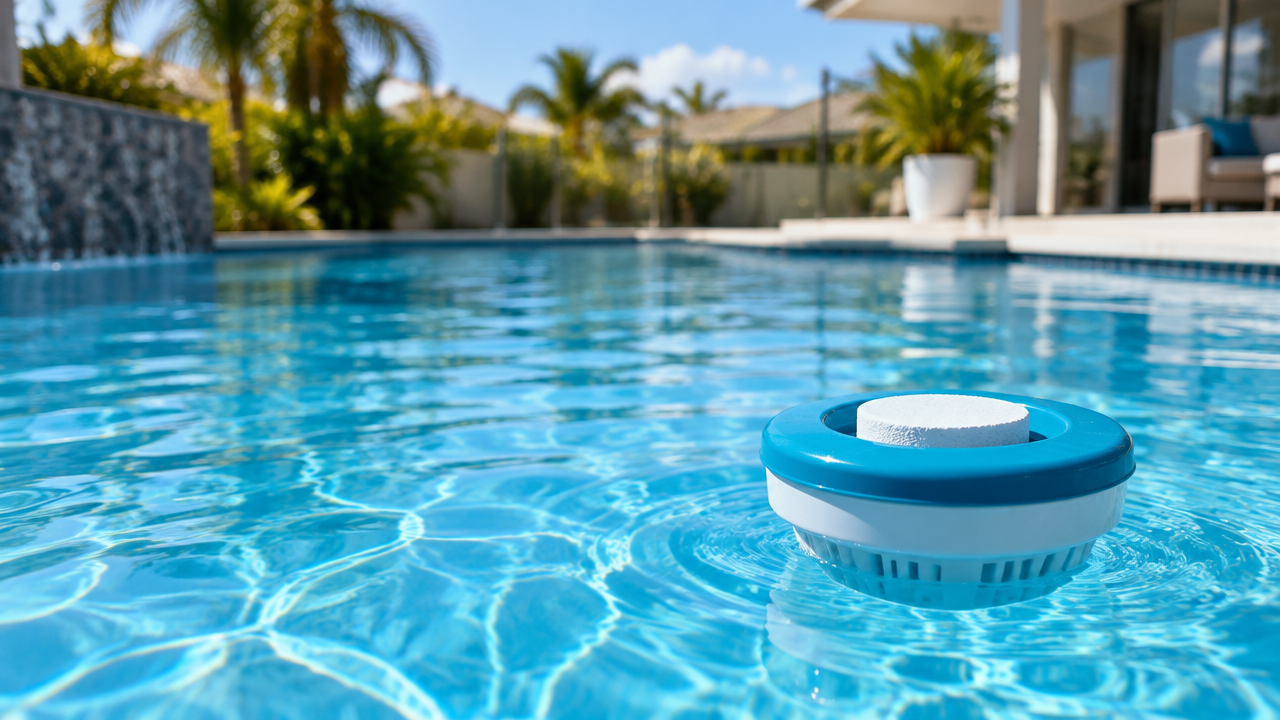
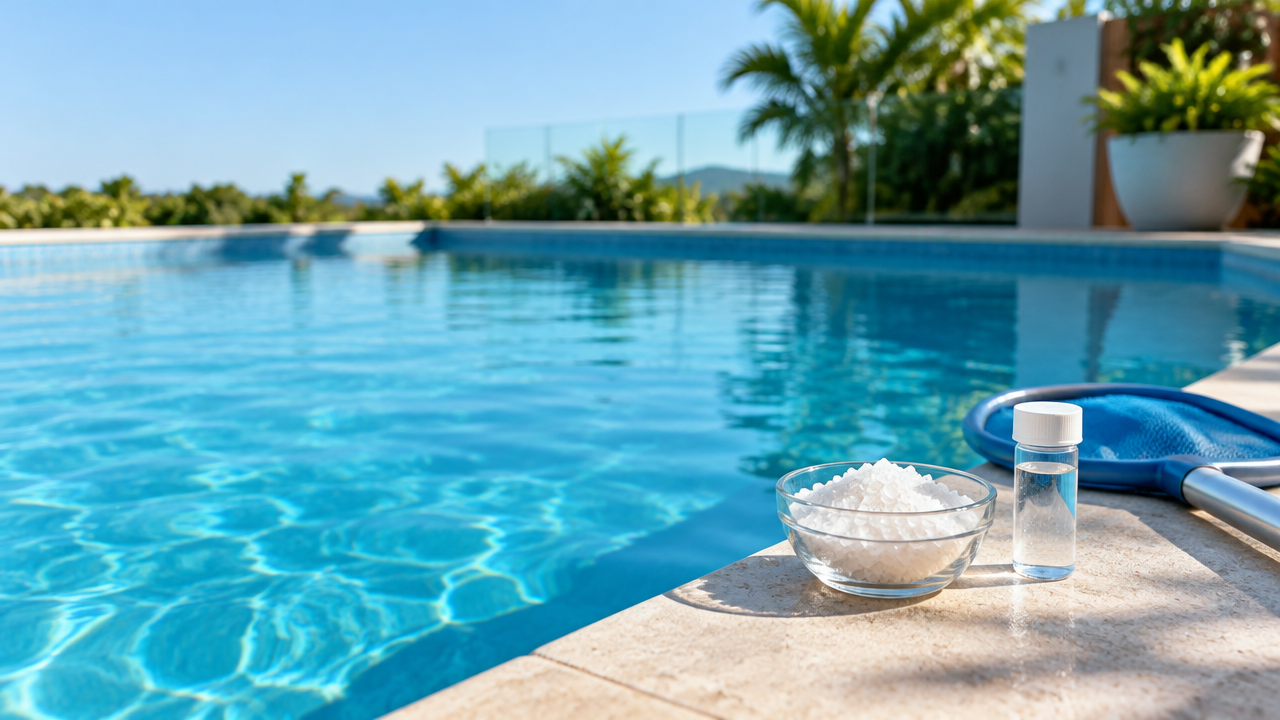
- Keep an eye on your pool’s chlorine, pH, alkalinity, and calcium. If you use a saltwater chlorinator, check out how pool chlorinators work for the best outcomes.
- Remove leaves promptly to avoid organic debris feeding unwanted microorganisms. Learn more in this simple resource on enzyme pool care.
- Set up reminders for filter cleaning and backwashing. I rely on MyPoolMate’s smart task automation to keep me on track.
Regular, accurate testing is the foundation—especially as the city water committee’s monitoring shows that water quality naturally shifts with weather and local conditions (Brisbane City Council's water quality monitoring program). If something’s off, I address it before it snowballs.
The real cost of maintaining a Brisbane pool
I used to wonder if owning a pool was just a black hole for money. Once I shifted to data-driven, just-right dosing and kept a firm maintenance routine, I saw my costs drop—swapping expensive fixes for small, regular outlays. If you want a grounded look at the numbers, this resource spells it out: pool maintenance cost breakdown for smarter savings.
Plus, a pool that’s consistently well maintained holds its value, avoids safety headaches, and stays fun and safe for everyone. If your home is a tenancy, keep in mind owner and resident duties—maintenance, safety certificates and inspections—to keep everything above board (Residential Tenancies Authority guidance on pool laws and maintenance during tenancies). For compliance on fencing and construction, check out Brisbane City Council's residential pool regulations.
Why I trust AI-powered tools for better pool health
After seeing how much time and money the right advice could save, I moved beyond manual paperwork and whiteboards. Using MyPoolMate, I can:
- Track every water test, including photos of printed shop results.
- Get AI-powered, pool-specific recommendations whenever anything is off.
- Access quick recovery plans for algae, zero-chlorine emergencies, or cloudy water—no guesswork needed.
- Automate maintenance schedules and adjust to Brisbane’s wet, hot or cooler months automatically.
- Invite professionals and family to help manage care securely from any device.
Accurate tracking and tailored recommendations make a real difference.
I’ve written more about this shift over at choosing a pool care solution that’s truly independent and why that transparency matters to me.
Conclusion
When it comes to pool care, Brisbane homeowners don’t need to follow one-size-fits-all advice—personalisation is key for healthy, safe, cost-effective swimming. With smart, AI-powered support and the right routines, you can keep your pool crystal clear and inviting year-round, without the confusion or waste. Discover how MyPoolMate can change your relationship with your pool and make the process easier from day one.
Frequently asked questions
What is the best way to maintain a pool in Brisbane?
The best approach is consistent, tailored routine care—test water frequently, keep surfaces and baskets clean, brush and vacuum often, and follow chemical dosing based on your pool’s unique needs rather than generic rules. Adjust methods seasonally, especially after storms or extreme heat, to stay ahead of problems.
How often should I clean my Brisbane pool?
During summer, I clean my pool (walls, steps, baskets) and check the filter each week. In winter, it’s safe to stretch these to every two weeks unless there’s heavy use or weather events that dump leaves and debris into the water.
What chemicals are needed for Brisbane pools?
Most pools rely on chlorine (or salt chlorinators), pH adjusters, alkalinity buffers, and calcium hardeners. In subtropical climates, algaecides and enzymes can also help control organic debris and microbe growth. Only dose according to your own pool’s needs. MyPoolMate’s AI helps recommend the exact amounts at the right times.
How much does pool care cost in Brisbane?
Pool maintenance costs depend on pool size, equipment, and how hands-on you are. Studies suggest that regular, precise chemical dosing and better routine management can lower costs compared to reactive cleanups. An in-depth breakdown is available at the pool maintenance cost breakdown for smarter savings.
Where to find reliable pool services in Brisbane?
For independent, pool-specific guidance without a sales pitch, I recommend digital solutions like MyPoolMate. This platform is built for Australian pool owners and gives transparent, actionable advice based on your own pool’s profile, not generic templates. For broader questions on pool laws and compliance, the Brisbane City Council also provides regulatory information.