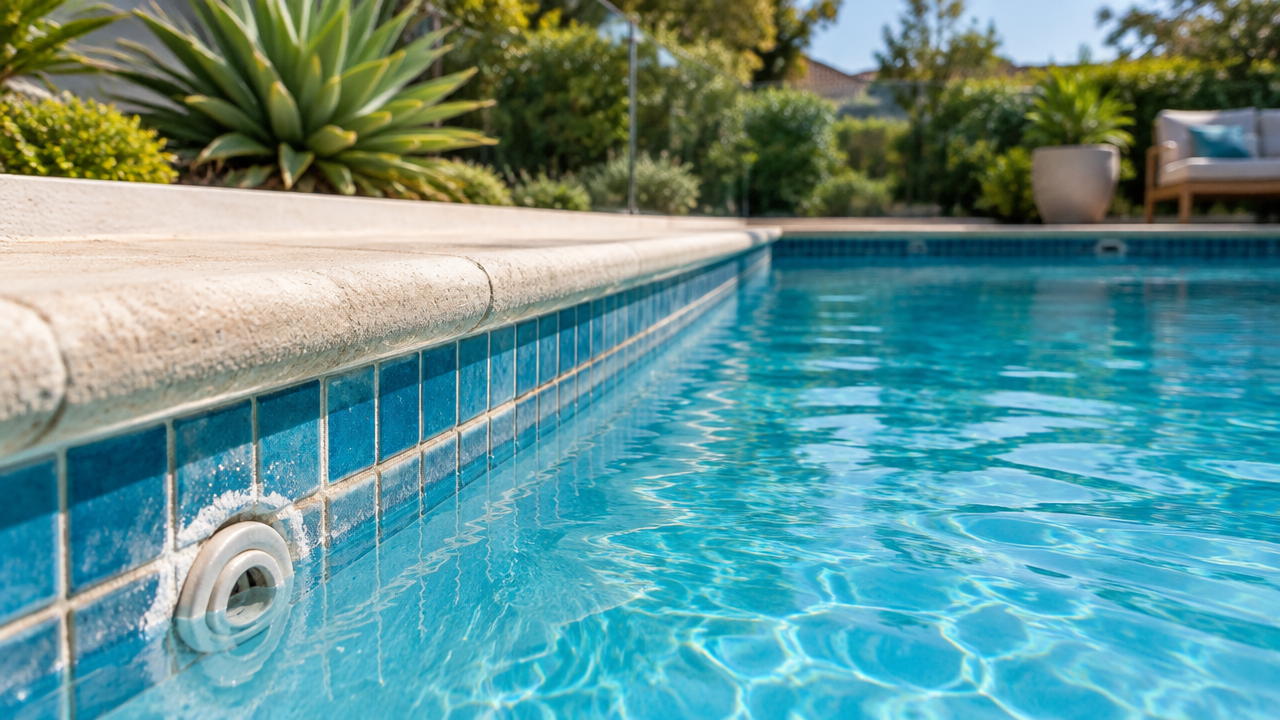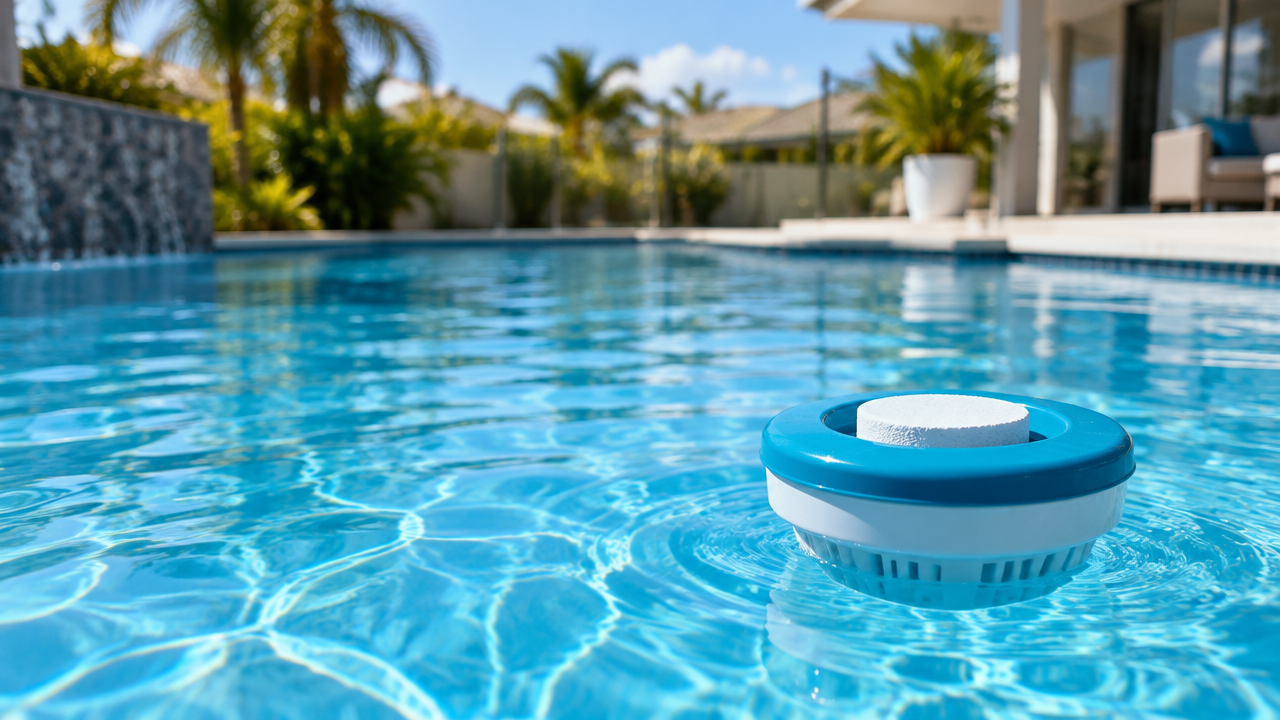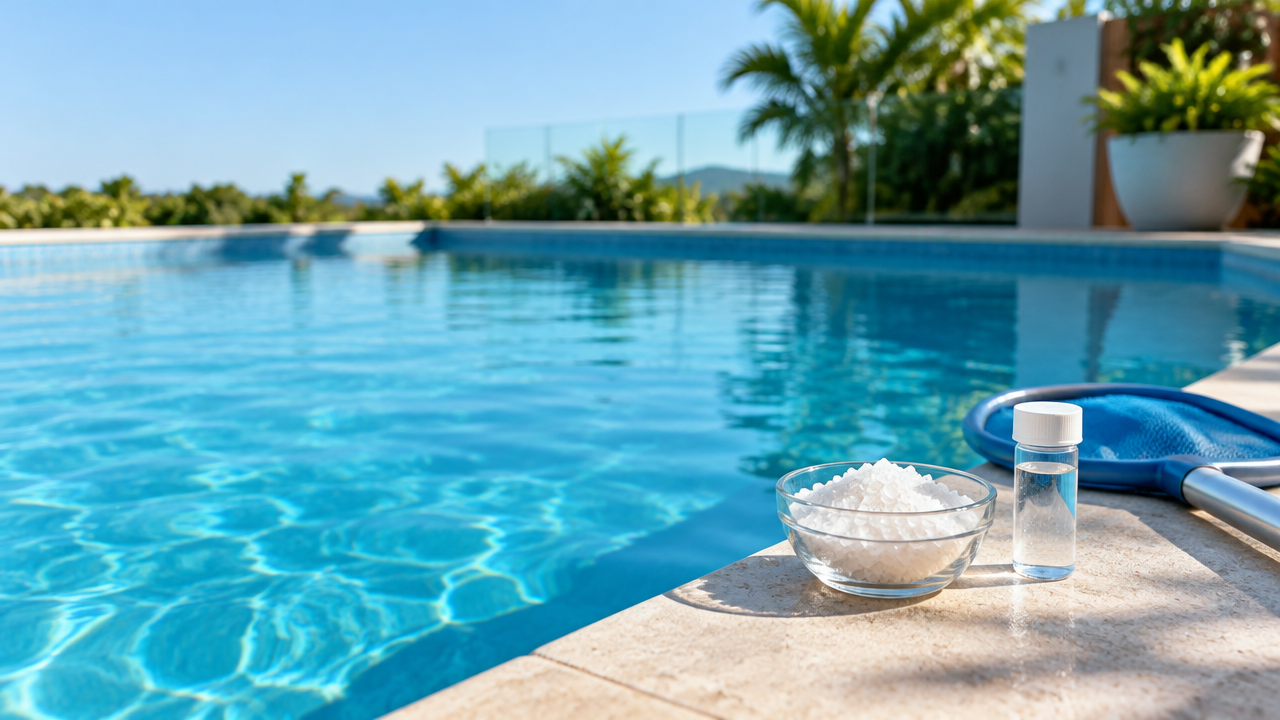

I have seen the same thing happen to many pool owners as the weather starts to cool. The pool feels less inviting. The water level seems a little lower every few days. Then the evenings turn cooler and drier, and the change becomes hard to miss.
Most pool heat loss in cooler months happens through evaporation, not just through cold air touching the water.
That point matters because when water evaporates, it takes heat away with it. The warmest and most active water molecules leave the surface first. What stays behind is cooler water. So you lose two things at once: water and warmth. I think that is one of the most frustrating parts of seasonal pool care, especially if you still want to swim and do not want to keep topping up the pool.
Water leaves. Heat goes with it.
Evaporation gets faster when the air is cooler and drier than the pool water. Add a breeze and the loss can increase again. I have found that many owners notice it first in autumn evenings or during dry winter spells. The surface may look calm, but the pool is still giving away heat all night.
This is one reason I like tools and products that reduce guesswork. With MyPoolMate, for example, owners can track water test history, seasonal changes, and maintenance patterns in one place. That makes it easier to connect a falling water line or colder pool with weather shifts, instead of assuming there is always a leak or chemical issue.
Why evaporation hits harder in cooler weather
When summer is strong, a little evaporation can seem normal and easy to ignore. In cooler months, it becomes more annoying because every bit of lost water also means lost comfort. If you heat your pool, it also means more energy use. Right now, saving water, energy, and money feels more urgent than ever, and I think pool owners are right to pay attention to it.
In simple terms, evaporation speeds up when these conditions show up together:
The pool water is warmer than the air
The air is dry
There is wind or a light breeze across the surface
That mix is common in many parts of Australia as seasons shift. One cool night may not seem like much, but repeated overnight loss adds up. You refill more often, heating works harder, and the pool becomes less pleasant to use.
A simpler way to slow it down
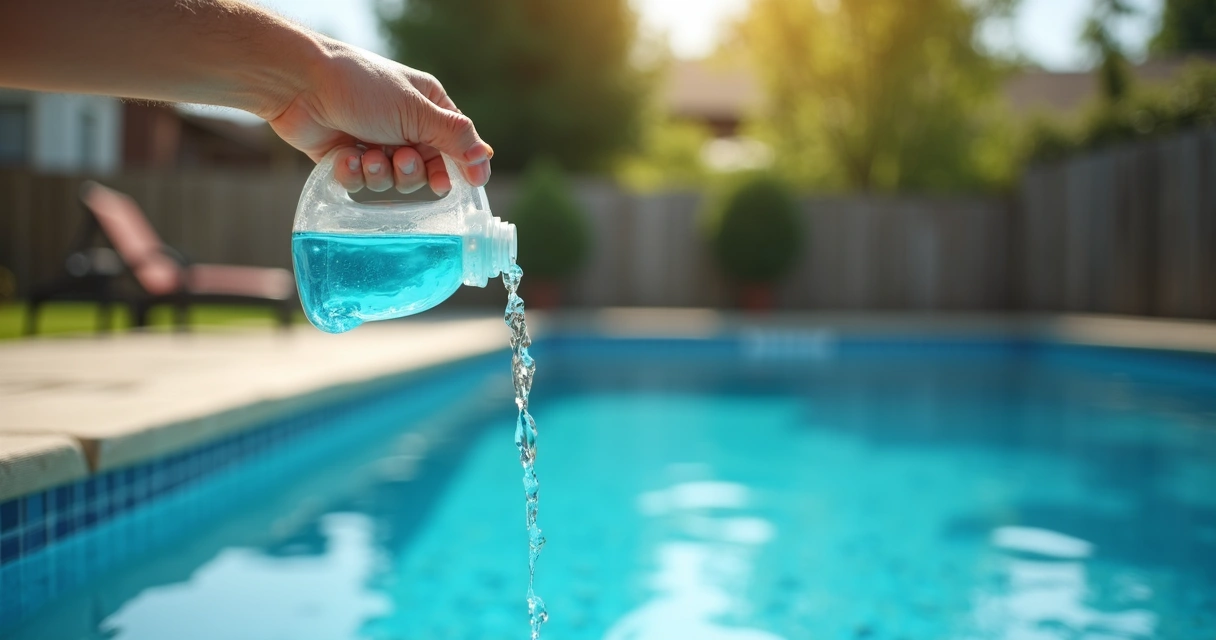
One option I find practical is Lo-Chlor’s Aqua Blanket. It is made to slow evaporation by forming an invisible layer on the water’s surface. You do not see a bulky cover. You do not need to drag anything across the pool. You just add a small weekly dose.
Aqua Blanket helps slow evaporation so the pool keeps more water and more heat with very little effort.
That low-effort part is what stands out to me. Solid covers can work, but many owners find them heavy, awkward, or unattractive. Some stop using them because putting them on and taking them off becomes another chore. Aqua Blanket avoids that problem. It stays active and invisible on the surface, works day and night, and it is safe for swimming.
The weekly dose is also simple. For a 15,000-gallon pool, Aqua Blanket only needs 3 ounces each week. That is far less hassle than older liquid methods based on isopropyl alcohol or ethanol, which often need frequent dosing to keep doing their job.
How it compares with old habits
I think many people still think in terms of either doing nothing or using a full cover. But there is a middle path that is much easier to live with. Older evaporation control products often relied on ingredients like isopropyl alcohol or ethanol and needed repeat dosing more often. That can be annoying, easy to forget, and less practical for busy households.
With Aqua Blanket, the routine is much lighter. You add the dose, let it sit on the surface invisibly, and get on with your week. For owners already juggling water testing, brushing, skimming, and seasonal chemistry changes, that matters.
If you are trying to tighten your pool care routine, I suggest also keeping good records. I have found that reading through topics in pool maintenance advice helps owners spot patterns before they become expensive habits.
What pool owners usually notice
When evaporation slows down, the results are easy to understand. The water level drops less. The temperature feels steadier. The pool stays more comfortable later into the season. It does not mean summer conditions in winter, of course, but it does help reduce that quick overnight cooling that makes a pool feel abandoned too soon.
By reducing evaporation, Aqua Blanket helps extend the swim season while conserving water and heat.
I have also noticed that many owners appreciate not having to hide the look of their pool under a solid cover. A clean pool is part of the home’s appearance. Heavy covers can take that away, and they often add work that people put off. A small weekly treatment is easier to keep up with.
For people in changing climates, seasonal care also ties into broader planning. If that is your focus, I think this Queensland pool maintenance guide gives useful context for adapting routines through the year.
Easy to add to your routine
I prefer pool care steps that fit real life. Aqua Blanket does that well. It does not ask for special handling or a big time commitment. In a normal week, you can keep things simple:
Check the water level and note any unusual drop
Test the water and keep chemistry balanced
Add 3 ounces of Aqua Blanket weekly for a 15,000-gallon pool
Watch how the pool holds warmth and water over time
That kind of simple routine works even better when paired with a tracking tool. MyPoolMate is built for this sort of real-world pool management, where you log test results, follow seasonal patterns, and get pool-specific guidance instead of generic advice.
If cost control is on your mind, I also think it helps to review the bigger picture in this pool maintenance cost breakdown for Australia. Water loss and heat loss both have a price, even when they happen slowly.
Conclusion
In my experience, pool owners often accept cooling water and falling water levels as just part of the season. But a lot of that loss comes from evaporation, and that means something can be done about it. Aqua Blanket offers a simple way to reduce heat loss, conserve water, and cut down the effort that comes with heavy solid covers. It stays invisible on the surface, works day and night, is safe for swimmers, and only needs 3 ounces each week for a 15,000-gallon pool.
If you also care for a spa, I think this hot tub maintenance guide is a useful companion read, since heat retention matters there too.
For me, the bigger lesson is that better pool care starts with better decisions. That is why I like the approach behind a pool care app that does not sell chemicals. If you want a clearer view of what your pool really needs as the weather cools, get to know MyPoolMate and see how smarter tracking can help you keep more water, more warmth, and more control.
Frequently asked questions
What is Aqua Blanket for pools?
Aqua Blanket is a liquid pool treatment made to slow evaporation. It forms an invisible layer on the water’s surface, which helps the pool keep more water and heat while staying safe for swimming.
How does Aqua Blanket stop evaporation?
It slows evaporation by staying active on the pool surface and reducing how quickly water molecules escape into the air. That helps limit both water loss and heat loss, especially in cool, dry, or breezy weather.
Is Aqua Blanket better than pool covers?
I think it is better for owners who want a low-effort option. Solid covers can help, but they are often heavy and can affect the pool’s appearance. Aqua Blanket is invisible, works all day and night, and avoids the work of putting covers on and taking them off.
How much does Aqua Blanket cost?
The price can vary by seller and bottle size, so I would check current local pricing before buying. What I can say is that the dosing rate is small, only 3 ounces each week for a 15,000-gallon pool, which helps keep use manageable.
How long does Aqua Blanket last?
Aqua Blanket is designed to work continuously on the water surface through the week, day and night, before the next weekly dose is added. In normal use, one weekly treatment lasts until the next scheduled application.