
Cooler and drier nights always seem to sneak up at the end of pool season. At first, I like the change. The air feels better. Sleeping is easier. Then the pool starts to tell a different story. The water feels colder underfoot, and the waterline looks a little lower each week.
As the days turn cooler and drier too, it happens faster. The pool loses heat more quickly, and the water level drops more often. For some people, that is the point when swimming stops until next year. In my experience, most of this comes back to one thing: evaporation.
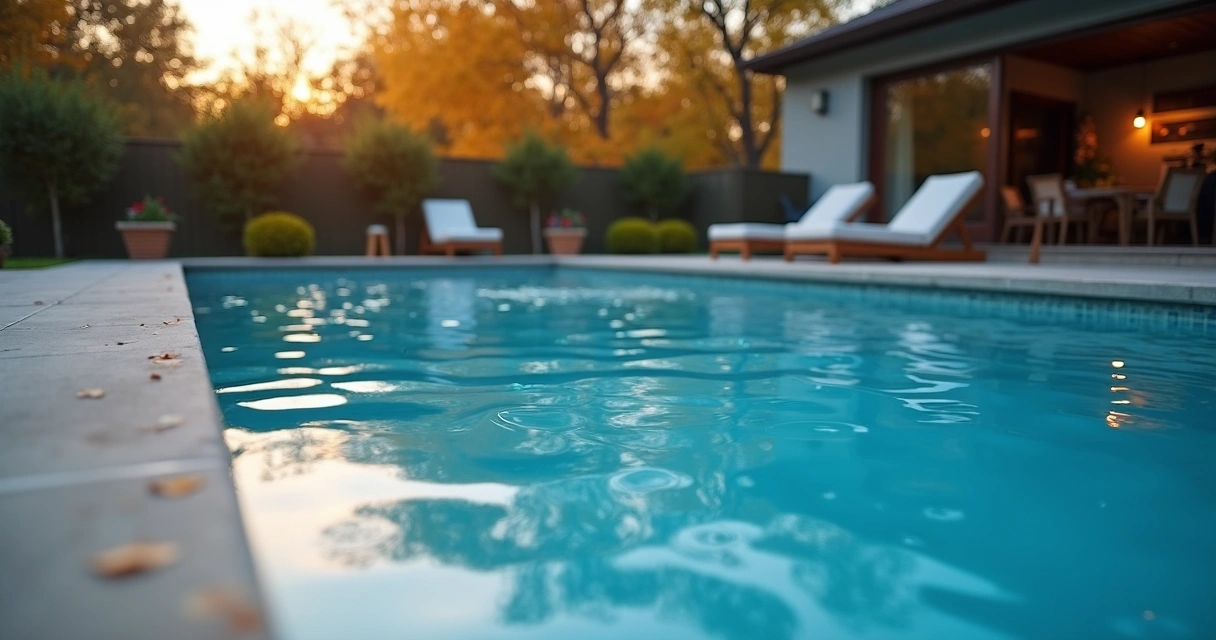
Pool heat loss in cool weather is driven mostly by evaporation, not just by cold air sitting over the water.
Water molecules with more energy escape from the surface and enter the air. When they leave, they take heat with them. If the air is cooler than the pool, that movement speeds up. Add dry air and a breeze across warm water, and the loss gets worse. That is the opposite of what any pool owner wants.
Why evaporation steals so much heat
I think many pool owners expect heat to leave mostly through the walls or floor. That happens, but the top of the pool is where most of the action is. The surface is exposed all day and all night. It reacts to temperature, wind, and humidity changes almost at once.
When I look at pool records in tools like MyPoolMate, I often notice the same pattern in autumn and early winter: water temperature trends down, top-up frequency goes up, and sanitizer demand can shift as the pool becomes less stable. One change triggers another.
Warm water meets cool air. Heat leaves fast.
These conditions usually make evaporation stronger:
- Cool nights after warm days
- Low humidity
- Breezy afternoons and evenings
- Large exposed pool surfaces
That is why stopping evaporation is one of the smartest ways I know to hold both heat and water in the pool.
A practical way to slow evaporation
One option worth knowing is Lo-Chlor’s Aqua Blanket® liquid cover. I like this approach because it helps restrain evaporation without changing how the pool looks or making pool access awkward. It modifies the surface layer of the water to help conserve heat whenever the air is cooler than the water.
A liquid cover works by forming a very thin surface layer that helps restrain evaporation and reduce heat loss.
What stands out to me is that Aqua Blanket works much better than older products made from isopropyl alcohol or ethanol, which need daily or near constant dosing. By contrast, this product is designed to keep working through the day and night with a very small weekly amount.
For a 15,000-gallon pool, only 3 ounces per week are needed. It is safe to swim with, odorless, tasteless, and invisible. That matters. Many people want protection from heat loss, but they do not want to drag a solid cover on and off the pool or hide the water completely.
That is the appeal here. The pool stays ready for use around the clock. No folding. No rolling. No visual barrier.
What else helps as the weather changes?
I have seen better results when evaporation control is paired with a few simple habits. None of them are dramatic. Together, they can make a real difference.
Here is what I usually suggest:
- Keep water balanced so heaters, filters, and surfaces work as they should.
- Track water level changes so you can tell evaporation from a possible leak.
- Reduce unnecessary splashing and long pump runs during cold windy periods if your setup allows it.
- Check weather shifts and test results together, not in isolation.
That last point matters more than many people think. A pool is a system. When temperature changes, chlorine use, pH drift, and surface condition can change too. This is where a tool like MyPoolMate fits naturally, because it helps connect test history, pool type, and seasonal patterns instead of giving one-size-fits-all advice.
If you want a broader look at regular care, I often point people toward this pool maintenance section, which gives a solid base for ongoing checks.
Do not miss the side issues
When owners focus only on heat loss, smaller warning signs can slip by. I have seen that happen many times. A dropping water level gets blamed on weather, but the pool also has cloudy water or a filter working harder than usual.
Watch for related problems such as:
- Tile line scum building up at the water edge
- High filter pressure that points to circulation or debris load issues
- Black or dark green surface spots that may suggest algae or staining
- Cloudy water that can signal poor balance or filtration stress
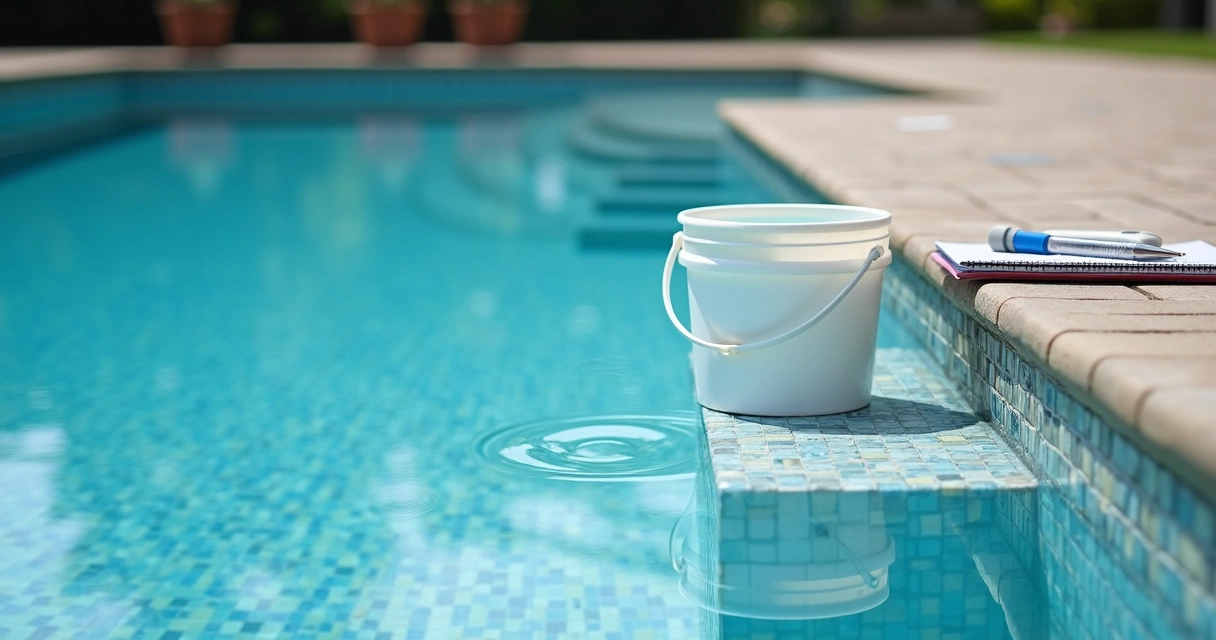
If the water level keeps falling faster than expected, a simple bucket test can help you tell evaporation from a leak.
The bucket test is basic but useful. I still trust it. Put a bucket of pool water on a pool step, mark the water level inside the bucket and outside on the pool wall, then compare the loss after a day or two. If the pool drops more than the bucket, a leak may be involved.
For region-specific care through changing weather, I also like this practical Queensland pool maintenance guide. Even if you are elsewhere, the seasonal thinking is helpful.
Why good records save money
I have found that people spend more when they react late. They top up water often, run heating longer, and add chemicals without seeing the real cause. Better records can stop that cycle.
MyPoolMate is useful here because it keeps pool profiles, test history, and seasonal targets in one place. If a pool starts losing heat and water as nights cool off, the pattern becomes easier to spot. That can help you decide whether you are dealing with normal evaporation, chemistry drift, or something else entirely.
If cost is on your mind, this breakdown of pool maintenance costs in Australia shows where small choices can save money over time. I also think this article on a pool care app that does not sell chemicals explains well why advice should be based on pool facts, not oversupply. And for readers with a spa as well, this hot tub maintenance guide helps connect the same ideas to smaller heated water systems.
Conclusion
As the season changes, pool owners want to keep water and heat in the pool for as long as possible. I think that goal starts with understanding evaporation, because that is where so much of the loss begins. Cool dry air and wind over warm water strip away heat and lower water levels faster than many people expect.
Lo-Chlor’s Aqua Blanket® offers a simple answer by restraining evaporation without changing the look of the pool or creating the hassle of a solid cover. It is invisible, safe to swim with, odorless, tasteless, and light on weekly dosing. In a season when every degree of warmth and every litre of water counts, that makes sense.
Saving water, heat, energy, and money is more pressing than ever. If you want a clearer view of what your own pool is doing as weather cools, I suggest getting to know MyPoolMate and using it to track changes before they become expensive problems.
Frequently asked questions
What is pool heat evaporation?
Pool heat evaporation is the loss of heat that happens when water molecules leave the pool surface and enter the air. The warmest molecules escape first, so they carry heat away with them. This gets worse when the air is cooler and drier than the pool water, especially if there is wind.
How to cover a pool for heat?
You can cover a pool for heat with a solid cover or with a liquid cover that sits on the water surface. A solid cover blocks exposure but has to be put on and removed. A liquid cover like Aqua Blanket helps restrain evaporation while keeping the pool open and visible.
Are solar pool covers worth it?
In my view, they can be worth it if heat retention is your main goal and you do not mind handling a physical cover. They can help reduce evaporation and hold warmth. Still, some owners prefer a liquid cover because it avoids the bulk and effort of moving a solid sheet.
What are the best pool cover types?
The best type depends on how you use the pool. Solid covers can reduce evaporation well, while liquid covers are easier to live with day to day because they are invisible and do not need lifting. For many residential pools, the best choice is the one that owners will actually keep using through cool weather.
How much do pool covers cost?
Costs vary a lot by pool size, material, and cover type. Solid covers usually cost more upfront and may need storage space and handling gear. Liquid covers are usually bought as an ongoing treatment product, so the cost is spread over time. I always suggest comparing the price against water loss, heating costs, and how often the pool is still being used.