
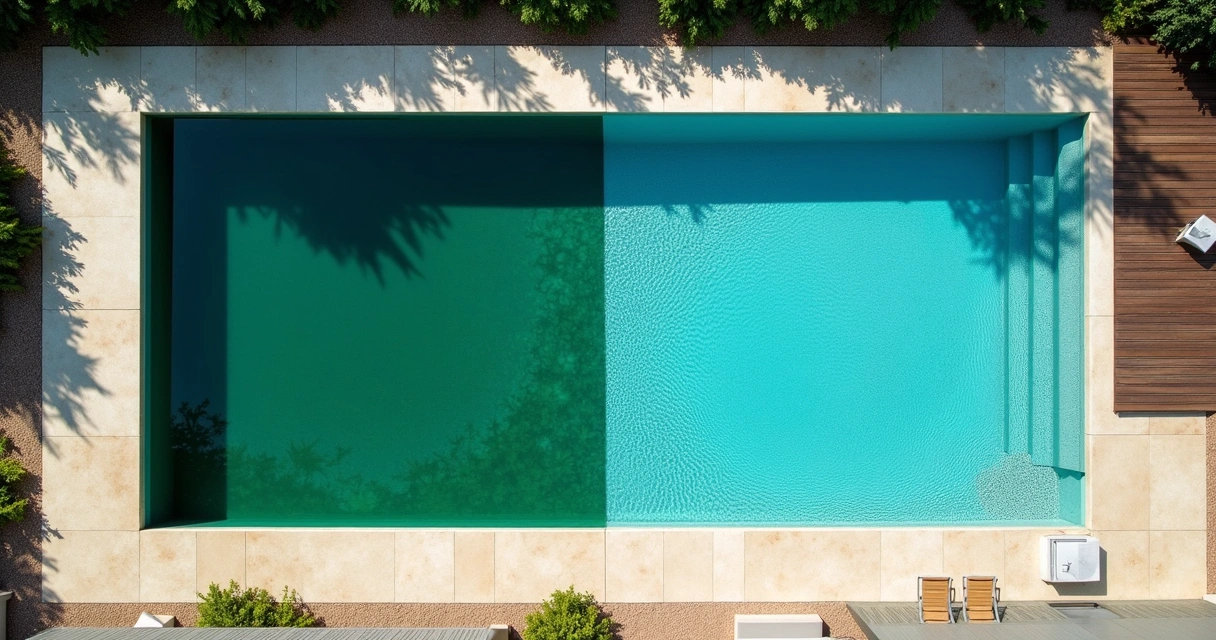
Green pool water is a sight that can unsettle even the most laid-back pool owner. I still remember the first time my backyard pool turned a shocking shade of green just before a holiday BBQ. Nothing spoils swimming plans quite like murky, algae-filled water staring back at you. Balancing pool chemistry sometimes feels like a guessing game, but in my experience, there are real, understandable reasons pools transform so quickly. Here, I’ll break down why this happens, how you can pinpoint the cause, and the steps I personally recommend to clear and prevent green outbreaks—always emphasizing personalised care over one-size-fits-all solutions.
Why pools go green: The main causes
Understanding why pools become green comes down to a handful of repeat offenders. I’ve seen these time and again, especially during the hotter Australian months:
- Algae blooms.
- Low or unstable chlorine levels.
- Poorly balanced water chemistry.
- Ineffective filtration or circulation.
- Build-up of organic debris.
I find that most green pool issues trace back to one or more of these core problems. Each interferes with water clarity and fosters conditions where algae thrive.
Algae only needs a few days of the right conditions to take over a pool.
Algae blooms
Algae is always lurking in the environment around your pool. The spores float through the air and, if unchecked, settle and grow rapidly.
When the water chemistry tips out of its “safe” ranges, especially chlorine or sanitiser, algae has free rein. In a warm, still pool with lots of nutrients, it spreads shockingly fast—sometimes overnight.
Low chlorine or sanitiser
Chlorine acts as your pool’s main defense against algae and bacteria. If it dips too low, even for a short period, green water nearly always follows. Heavy rain, hot weather, and a spike in pool use can all undermine chlorine levels. Sometimes, the problem is that stabiliser (cyanuric acid) is too low, or too high, causing chlorine to work less effectively.
Poor water balance
Imbalanced pH, alkalinity, or calcium hardness not only irritate swimmers, but can also weaken chlorine’s effectiveness. If the water’s pH climbs over 7.8 or drops below 7.0, algae treatment fails, even if chlorine appears at normal levels.
If you want a deeper understanding, I suggest reading this guide on controlling pool alkalinity for safe and stable water.
Filtration or circulation issues
Even a pristine pool can have trouble if its filter or pump is malfunctioning. Dirty or undersized filters, short pump run times, or blocked returns all mean stagnant spots where algae can start. In my experience, overlooked filtration is often the “hidden” reason a pool can’t shake its green color.
Organic debris and contamination
Leaves, grass, pollen, and soil aren’t just unsightly—they feed algae. Once they sink to the bottom or decompose, they release phosphates and other nutrients. This gives algae the boost it needs. Enzyme treatments can help manage organic debris, as described here.
How to diagnose what’s turning your pool green
Gathering the right information is step one before throwing in extra chemicals. I like to approach it as a little detective work, as every pool is unique. Here’s my usual process:
- Test chlorine, pH, alkalinity, stabiliser, and phosphate levels.
- Check filter pressure gauge and review pump schedule.
- Look for visible issues (cloudiness, slimy walls, floating debris).
- Look at recent weather and pool usage patterns.
I always recommend keeping a written or digital history of these readings. MyPoolMate, for instance, lets users keep detailed records, upload photos, and track changes—which is a game-changer for identifying trends.
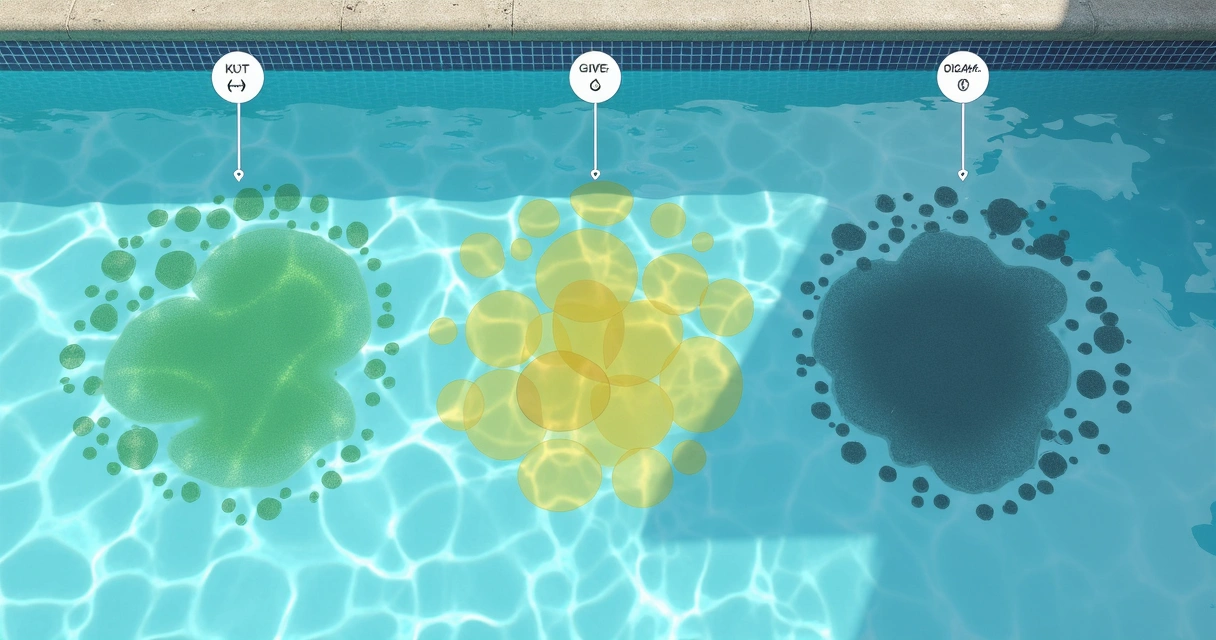
Spotting different types of algae
I often get questions about what kind of algae is in the water. Here’s how you might tell:
- Green algae: The most common, floating and rapidly spreading.
- Mustard/yellow algae: Dusty, clings to shady pool walls, harder to brush off.
- Black algae: Appears as stubborn, dark spots, especially in porous surfaces like concrete.
The type affects how persistent the problem might be, but for all of them, eliminating the root causes is more effective than just targeting symptoms.
Step-by-step: Clearing up a green pool
I wish there was a simple “one dose cures all” fix for green water, but in my experience, effective recovery has to be methodical and adapted to your pool’s details. Here are the key steps I suggest:
-
Remove debris first. Use a net or leaf rake to clear out leaves, bugs, or anything floating. The less organic matter you leave, the better for chlorine efficiency.
-
Backwash or clean the filter. Dirty filters make everything harder. Check the pressure and follow your filter’s cleaning routine.
-
Test and adjust water chemistry. Use reliable test strips or kits for chlorine, pH, alkalinity, and stabiliser/cyanuric acid. Document the results—digital apps like MyPoolMate are handy for this, so you can visualise trends and necessary adjustments.
-
Shock the pool. Add a high dose of pool shock—generally, aim for “breakpoint chlorination” (usually about 10 times the combined chlorine value, but always follow product guidance for your pool’s volume). I make sure to run the pump and all jets during this step.
-
Brush and circulate. Scrub all surfaces thoroughly—walls, floor, steps, and around returns. This dislodges stubborn algae and brings it into circulation, where it can be filtered out.
-
Keep the filter running. Let it go 24–48 hours after shocking, checking for clogs or pressure spikes. Regularly clean out the skimmer and pump baskets.
-
Retest and fine-tune. After 24 hours, check chlorine and pH again. Sometimes, repeat shocking if green cloudiness lingers or chlorine drops quickly.
If your pool is still murky after two thorough treatments, there might be a hidden problem—like an old filter, dead spots in circulation, or chemical imbalances hiding in the background. I documented more warning signs and next steps in this resource.
How weather and temperature impact green pool outbreaks
The Australian climate means warm water for long periods—something algae absolutely loves. I find outbreaks spike during heatwaves, after storms, or following long periods of direct sun. More sunlight breaks down chlorine faster, making pools vulnerable if you don’t compensate with higher dosing or more frequent checks.
Heavy rains add contaminants, and sudden temperature increases can push water out of balance. Algae that lay dormant in cooler months wake up as soon as conditions change—sometimes overnight.
Consistency is the best defense against algae, not just emergency fixes.
Preventing green pool returns: My top tips
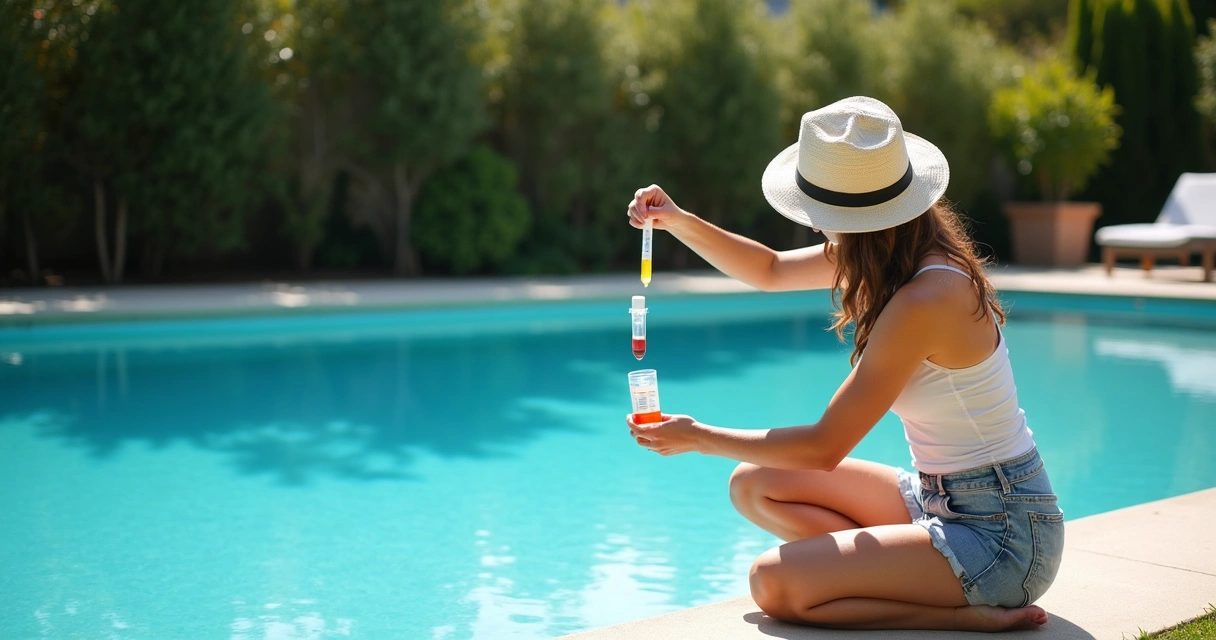
Over the years, I’ve settled on a set of practices that prevent most green outbreaks. Generic advice sometimes leads to unnecessary chemicals and expense. Real prevention looks different for every pool, which is something that personalisation platforms like MyPoolMate address very directly.
- Test water weekly, at a minimum. More often during high temperatures or bather loads.
- Keep detailed records. Written logs or digital apps help spot patterns before green water appears.
- Run the filter the recommended hours for your pool size, increasing in summer.
- Skim and brush pool surfaces at least once per week, even if it looks clean.
- Clear leaves and debris daily if your pool is under trees or after storms.
- Shock the pool as soon as chlorine demand increases—after parties, storms, or heatwaves.
- Backwash or clean filters regularly. Don’t wait for pressure to spike.
- Adjust pH and alkalinity according to recent test results, rather than by habit.
- Use enzyme treatments during heavy organic loads, such as storms or a lot of leaf drop (a topic explored in detail here).
For further reading, see this practical pool maintenance guide for Queensland.
Why personalised pool care works better than generic advice
One thing I’ve learned is that generic chemical recommendations don’t always work. Every pool is unique—surface type, water volume, filter system, sun exposure, bather load, and local water supply all change what’s needed.
MyPoolMate approaches the problem differently by having you enter details about your specific pool, history of water tests, and even attach photos. Then the system analyses your personal data to generate custom chemical targets and care schedules, instead of the “just add more chlorine” strategy common in many pool shops.
By combining this personalised approach with regular testing and observation, I’ve seen pools stay clearer, require less chemical intervention, and save money in the long run.
Conclusion: Greener pools need smarter, tailored care
If you’re frustrated by an ongoing battle against green pool water, take heart—it’s a fixable problem with a methodical approach and the right tools. I believe that understanding your pool’s story, acting on tailored advice, and tracking your results can keep green outbreaks in check for good.
Ready to break the green cycle? Try MyPoolMate and experience how AI-powered, custom pool care can transform the way you maintain your pool.
Frequently asked questions
What causes pool water to turn green?
Most often, green pool water is caused by algae growth due to low chlorine, imbalanced water, poor filtration, and excess debris. Other factors include sunlight reducing chlorine levels and the presence of nutrients from organic material in the water.
How can I prevent a green pool?
I recommend regular testing of water chemistry, running your filter as advised, removing leaves and organic debris, and keeping a good record of pool conditions. Adjust chemicals according to your pool’s actual test results instead of following generic routines. Regular maintenance and proactive behavior are the keys.
What is the best treatment for green pools?
Effective green pool treatment usually involves clearing debris, cleaning/servicing the filter, testing and correcting chemicals, shocking the pool with chlorine, and brushing all surfaces. The correct dosage and order depend on your pool’s specifics, so tracking details and using tools like MyPoolMate helps achieve better results.
How often should I check pool chemicals?
In my experience, testing your pool water at least once per week works for most pools, but increase this to two or three times weekly during hot weather, heavy rain, or high bather loads. Logging your data helps catch trends that can lead to green outbreaks.
Is it safe to swim in a green pool?
Swimming in a green pool is not safe, as it likely contains high levels of bacteria and possibly algae toxins. Always wait until water clarity returns, and chemical levels are within safe, recommended ranges before swimming again.