
Saltwater pools have a reputation, in my view, for being misunderstood. I have heard almost every myth in the book from new pool owners and even seasoned ones who hesitate to make the switch. With two decades under my belt advising families across Australia, I know how much easier, gentler, and actually affordable saltwater systems can be. Today, I want to bust eight of the biggest saltwater pool myths so you can make informed decisions and enjoy your pool—without the confusion.
Saltwater pool myth 1: Swimming in a saltwater pool is just like swimming in the ocean
This is hands-down the most common myth I hear, and it always surprises me. People imagine salty, stinging eyes and lips or faded swimwear after every dip. But the truth is nowhere near that.
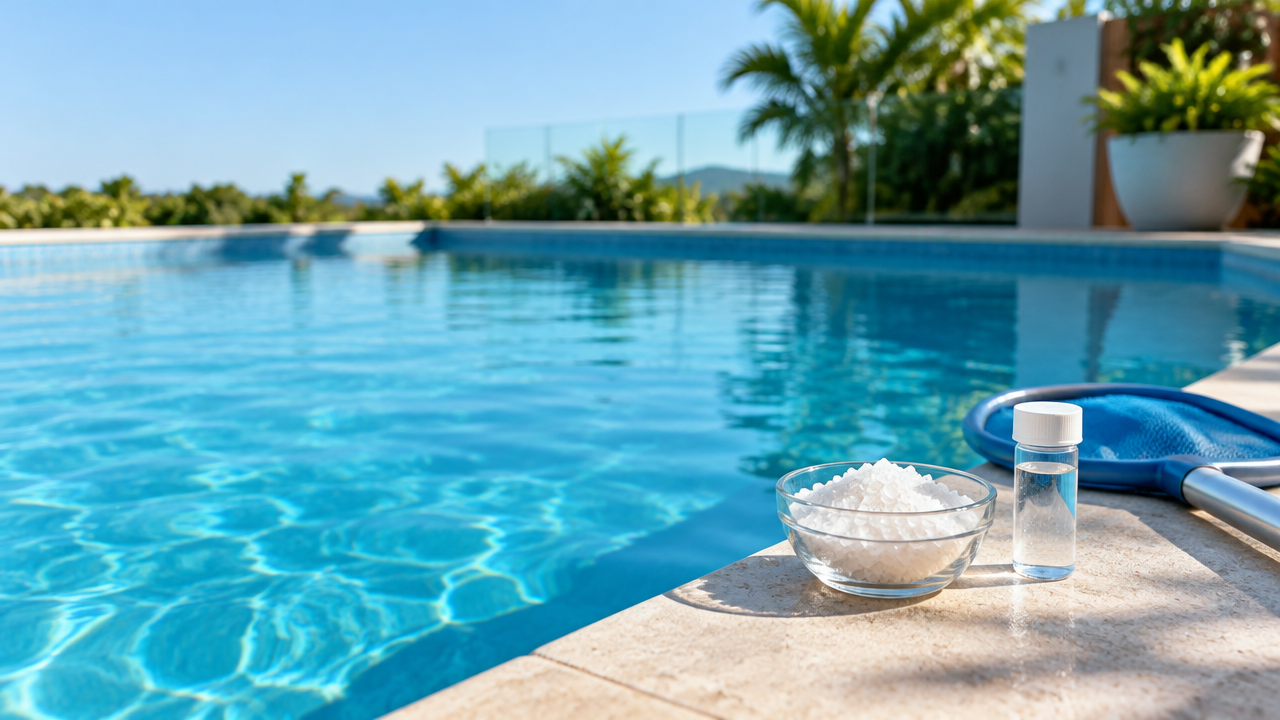
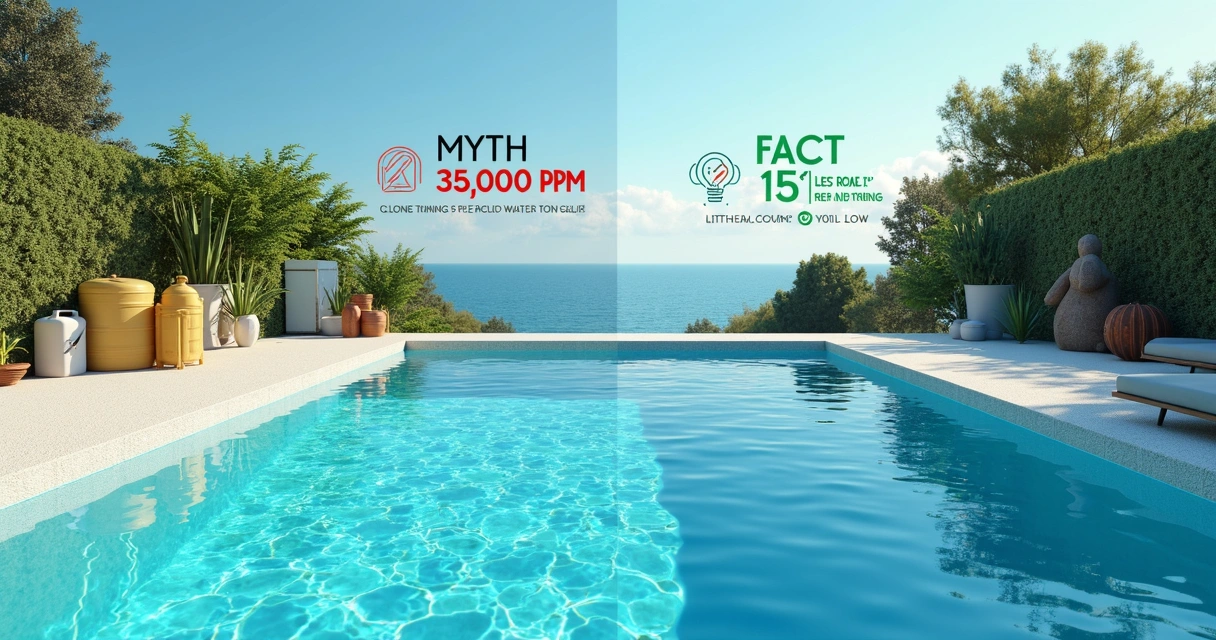
Saltwater pools only contain about 2,500–3,000 parts per million (PPM) of salt, while the ocean averages 35,000 PPM—over ten times more. For comparison, even your tears have about 9,000 PPM of salt. So when you slip into a saltwater pool, you’re not getting an ocean swim; you’re getting water that tastes, smells, and feels just like a fresh pool—just a tiny bit softer and less drying on the skin.
Saltwater pool water is less salty than your tears—really.
In all my years, I’ve never had a swimmer detect “saltiness” in a pool with levels below 3,500 PPM because human taste buds simply don’t pick up salt until above that mark. So, a properly maintained saltwater pool feels just like a fresh pool—without any briny flavor or eye sting. If you’re concerned about salt build-up, I recommend reviewing guidelines for fixing high pool salt levels and ensuring accurate testing.
Saltwater pool myth 2: The salt itself disinfects the pool
This one is a subtle misunderstanding. Many think tossing regular salt into the pool keeps it clean. In fact, the salt alone does nothing for sanitation—it’s the chlorine generator (salt cell) that does the work.
Saltwater chlorinators use electrolysis to convert dissolved salt (sodium chloride) into chlorine gas, which then sanitizes the water. This method simply creates the same chlorine found in traditional pools, just produced in a very steady, low dose. Your water stays clear and safe for swimming, but it’s the chlorine created from salt—never just the salt on its own.
Saltwater pool myth 3: Saltwater pools destroy lawns and plants with every splash
Another one I still hear is that just a few pool splashes will turn your lawn brown forever. I’ve run the numbers and tested myself—grass and plants won’t bat an eye at occasional pool splashes or overflows from a saltwater system. The salt content is so low it won’t harm them.
However, there is one thing to keep in mind: draining an entire pool—saltwater or traditional—onto your grass will lead to damage, simply because it’s a lot of salt, no matter how diluted. I always tell people to use proper drainage channels or speak to a professional before emptying any pool.
Saltwater pool myth 4: You’ll never need to check water chemistry again
Saltwater systems are often sold as “set and forget.” While they are far easier to manage than old-school chlorine, they’re not truly maintenance-free. You still need to check and balance key water parameters—pH, alkalinity, calcium hardness—just less often and with much less trouble. In my experience, making the switch brings a pool’s management score from “tricky” (maybe 8 out of 10) down to something closer to 2 or 3. MyPoolMate is built to guide you through this process, so your maintenance is always accurate but never overwhelming.
Saltwater pools mean much less fuss, not zero effort.
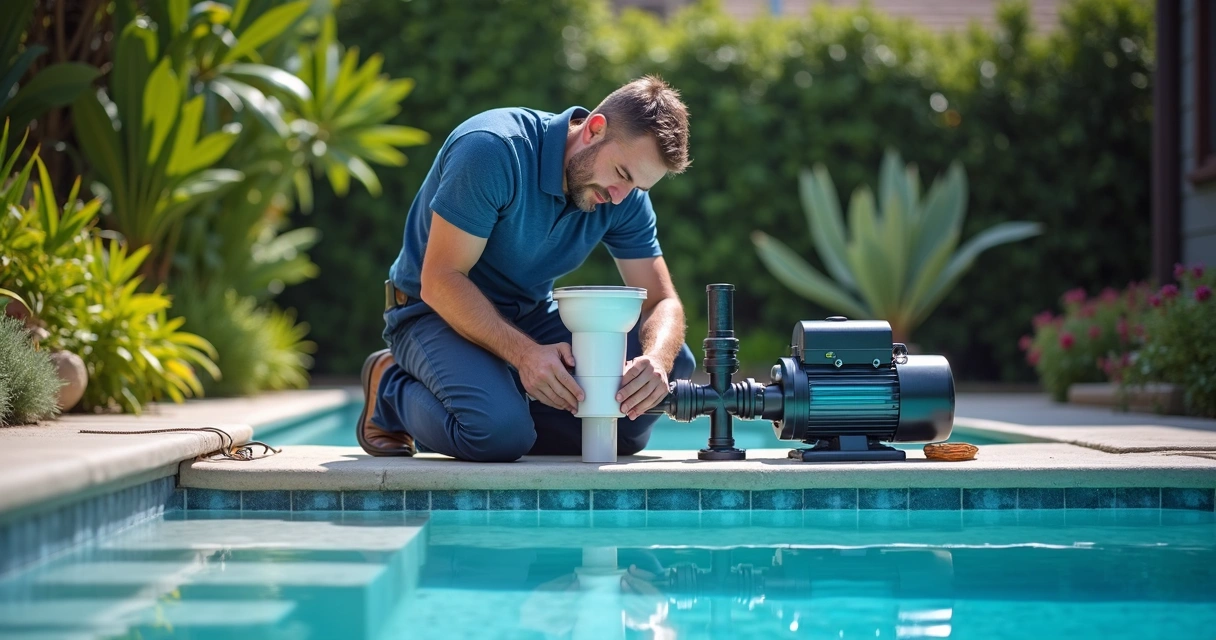
Saltwater pool myth 5: Saltwater chlorinators are hard to install
This one might come from old stories about complex plumbing or electrical work. But if you can handle a basic pool pump, a modern saltwater chlorinator is straightforward. You only need to connect the cell to the return pipe, mount its control panel, and set your desired chlorine level. There are excellent resources—like the Axis Salt Chlorinator guide—if you’re curious about different models or want step-by-step advice.
- Installation usually takes just a few hours. Most professional installers are in and out before lunch.
Saltwater pool myth 6: Chlorinators only work for certain pools
This one is just wrong—and I’ve corrected it countless times! Saltwater chlorinators work for almost every pool: indoor, outdoor, in-ground, above-ground, cement, tile, or vinyl. Modern systems let you adjust the chlorine output to match pool size, season, or bather load. There’s no pool type “excluded” by current saltwater technology.
If you ever get a poor fit, it’s usually because of failing to size the system right or match it to your pool’s volume. Tips for tackling real-world problems can be found in resources like the salt water chlorinator troubleshooting guide that cover common issues and simple fixes.
Saltwater pool myth 7: No more spending on chemicals
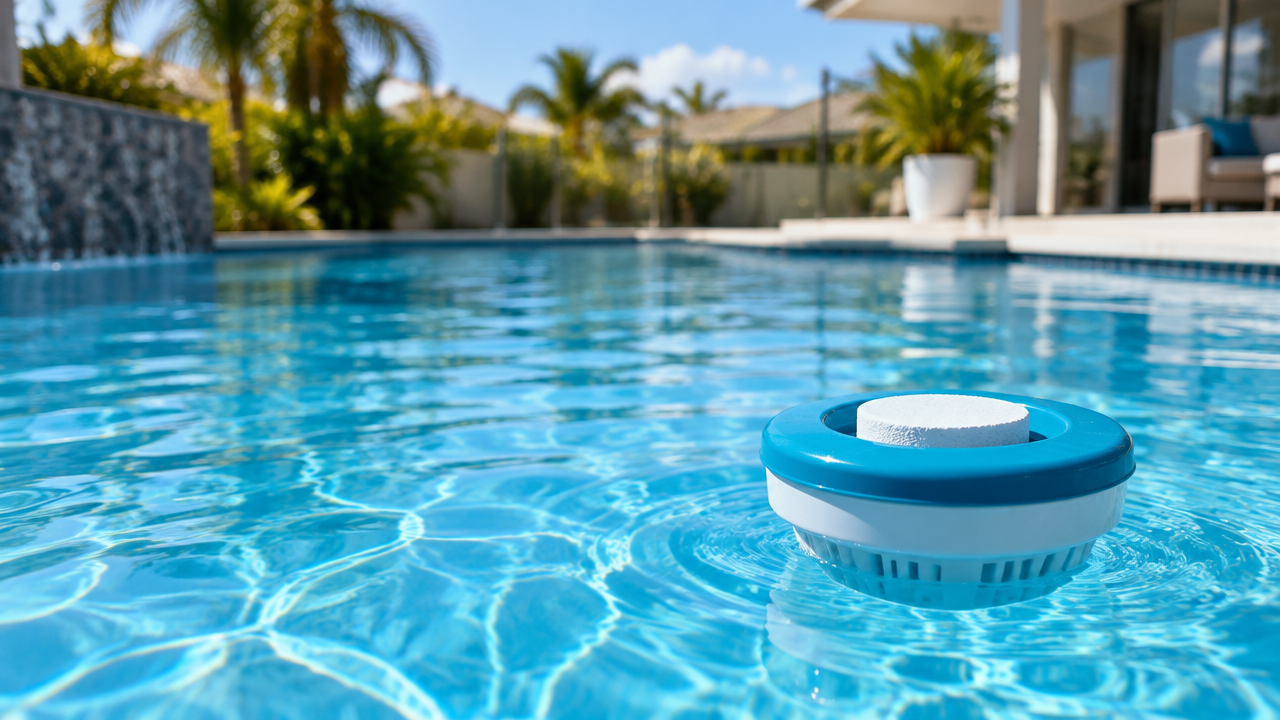
Saltwater pools lower chemical costs, but don’t wipe them out completely. Most people I work with spend less on things like chlorine pucks or shock, because the cell does the heavy lifting. But you’ll still occasionally need:
- PH adjusters (acid or buffer, since salt chlorine production can slowly raise pH)
- Occasional calcium hardness raising or lowering
- Cyanuric acid (stabilizer, especially for outdoor pools)
Saltwater pools bring chemical costs down but never to zero. The relief comes from ditching the need to handle and store strong chlorine at home—it’s simpler, cheaper, and honestly safer with a salt system. To see a thorough explanation of salt chlorinators, check out the discussion on how pool chlorinators work and common mistakes.
Saltwater pool myth 8: They’re unsafe or harsh for kids and pets
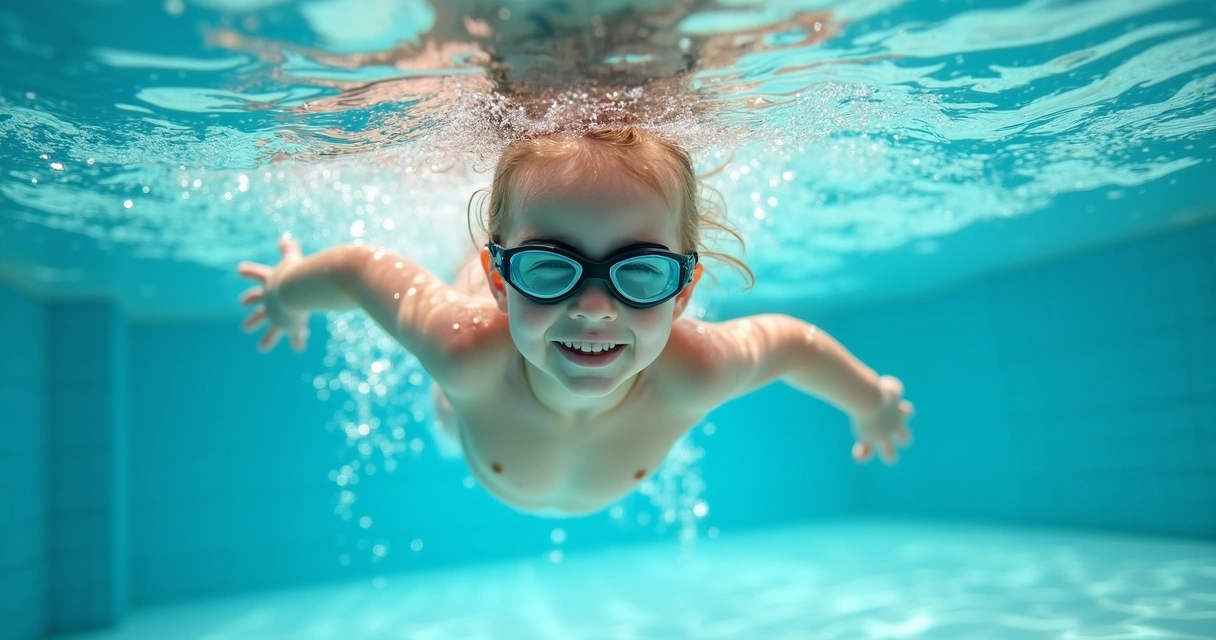
This myth always makes me pause. Decades of real-world use show that saltwater pools are not only as safe as traditional chlorinated pools, but often kinder to skin, eyes, and even swimwear. There is less “chlorine smell” in the water, less drying after swimming, and fewer harsh byproducts. You can swim while the chlorinator runs; there’s no need to wait, as with large amounts of added chlorine or shock.
Swimming in a saltwater pool is safe and gentle—even for younger kids or sensitive skin.
Saltwater systems are so gentle, you can even swap regular pool salt for magnesium mineral blends to create a “mineral pool” experience, without changing your hardware. I found out most “mineral pool hydroxinators” are simply rebranded saltwater chlorinators. Detailed comparisons are available in my writing on magnesium pools versus chlorine for Australian homes.
Straight facts: Saltwater chlorination is safe, natural, and flexible
It’s easy to see how myths spring up—saltwater chlorination feels different from traditional pool care. But in my experience, it’s different for all the right reasons.
- Saltwater chlorinators generate chlorine from standard pool salt, creating a steady, gentle supply—without the spikes and harshness of liquid chlorine “shock.”
- The process is natural: the salt cell turns salt into chlorine gas using electrolysis, so new chlorine is created only as needed.
- Mineral pools are simply saltwater chlorinators using magnesium salt instead—no complex conversions or hardware swaps.
- Running costs drop, but you still keep an eye on water balance, especially in hot or rainy seasons.
I’ve seen first-hand that with a good saltwater system and some simple tracking (with tools like MyPoolMate’s web app), owners spend less time worrying and more time swimming.
My honest take: Saltwater pools mean easy, soft water—without the myths
If you’ve been on the fence or caught between myth and fact, know this: modern saltwater pools offer a gentler, easier way to enjoy sparkling water. There is no ocean taste, just softer, cleaner water. There is no chemical hassle, only simple, low-maintenance care. And there’s no magic—just a proven system that uses smart science and practical technology.
Want to get the most from your saltwater experience? I suggest joining a pool club like the one at MyPoolMate. You’ll receive savings on chemicals, expert tips, and updates that keep you enjoying your pool, never working for it.
If you want to swim smarter and save more, check out what MyPoolMate can help you achieve. You deserve answers that make you feel confident every time you dive in.
Frequently asked questions
What is a saltwater pool?
A saltwater pool is a swimming pool that uses dissolved salt and a special device called a saltwater chlorinator to automatically create chlorine. Instead of adding chlorine directly, you add salt, and the system makes chlorine for you. The water feels soft and has very low salt—too low to taste.
How does a saltwater pool work?
Saltwater pools use a chlorinator cell connected to the return line. As salty water passes through the cell, electricity turns some of the salt into chlorine gas, which then dissolves and disinfects the pool. This keeps the pool clean without the need for traditional chlorine dosing.
Is a saltwater pool cheaper to maintain?
Most saltwater pool owners spend less on chemicals and maintenance. You no longer need to buy chlorine regularly, and balancing routine chemistry is much easier. Some costs remain, like adding salt occasionally and balancing pH, but ongoing spending is lower in my experience.
Does a saltwater pool use chlorine?
Yes, saltwater pools absolutely use chlorine. The difference is that the chlorine is made from salt on-site in a gentle, steady stream. This reduces harshness, odor, and the need to store or handle chemicals directly.
Is saltwater better for skin and eyes?
Saltwater pools are often gentler on skin and eyes than traditionally chlorinated pools. Because chlorine is produced steadily, there are fewer byproducts and less irritation. Many people find saltwater pools more comfortable for young swimmers and those with sensitive skin.