
When summer hits in Australia, pool care moves to the top of my weekend list. I've seen firsthand how a bit of regular attention, paired with clever use of technology, keeps pools sparkling, swimmable, and hassle-free right through the busiest months. Based on my experiences and the unique demands of the Australian climate, I’ve pulled together these nine must-do strategies for residential pool owners.
1. Test water regularly and respond quickly
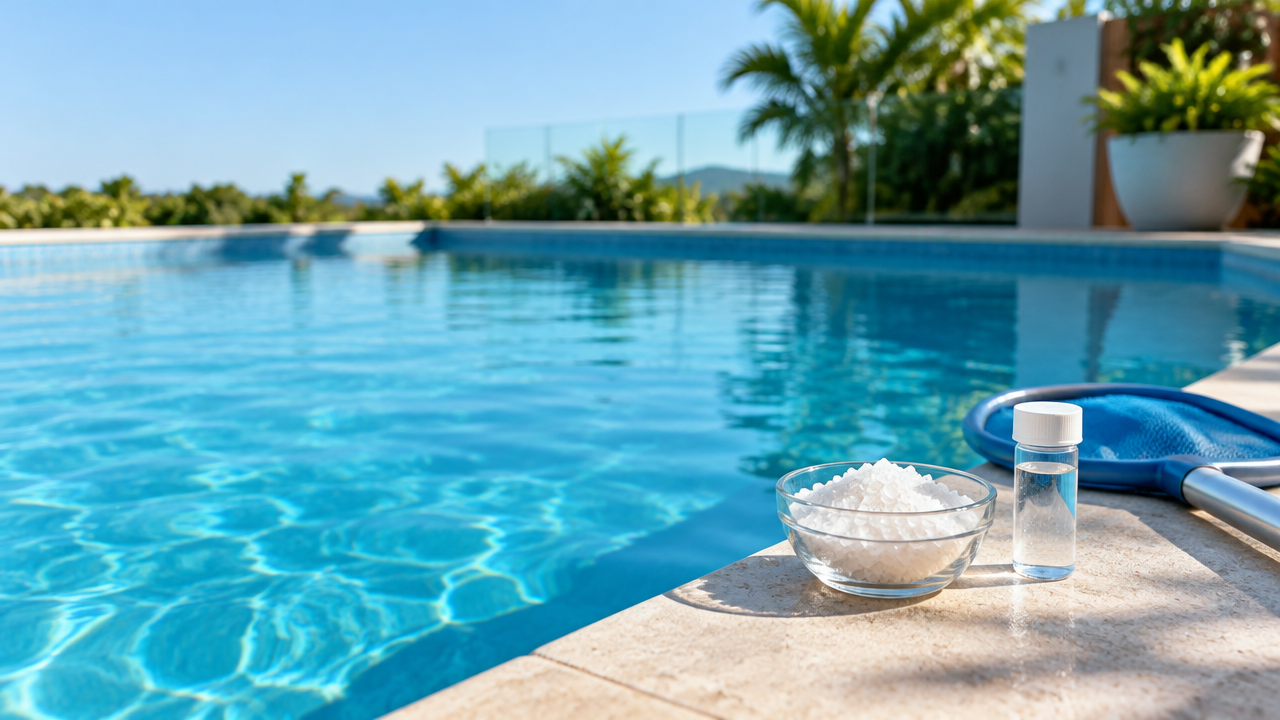
With hotter days and wild swings in usage, daily water testing becomes more than just a nice idea—it’s a safeguard for health and fun. As Healthy WA notes, hot weather, rain, and swimmers can tip pool balance fast, sometimes within mere hours. I’ve started testing my pool water every morning in summer, especially after gatherings or storms.
I log every reading into MyPoolMate. The app’s AI tools pick up changes before problems grow, and the charts help me spot trends, like the dip in chlorine that follows a day of heavy swimming. Even if you don’t use digital tools, consistent daily testing (and acting quickly when needed) is your biggest water quality ally.
2. Keep chlorine and pH in check
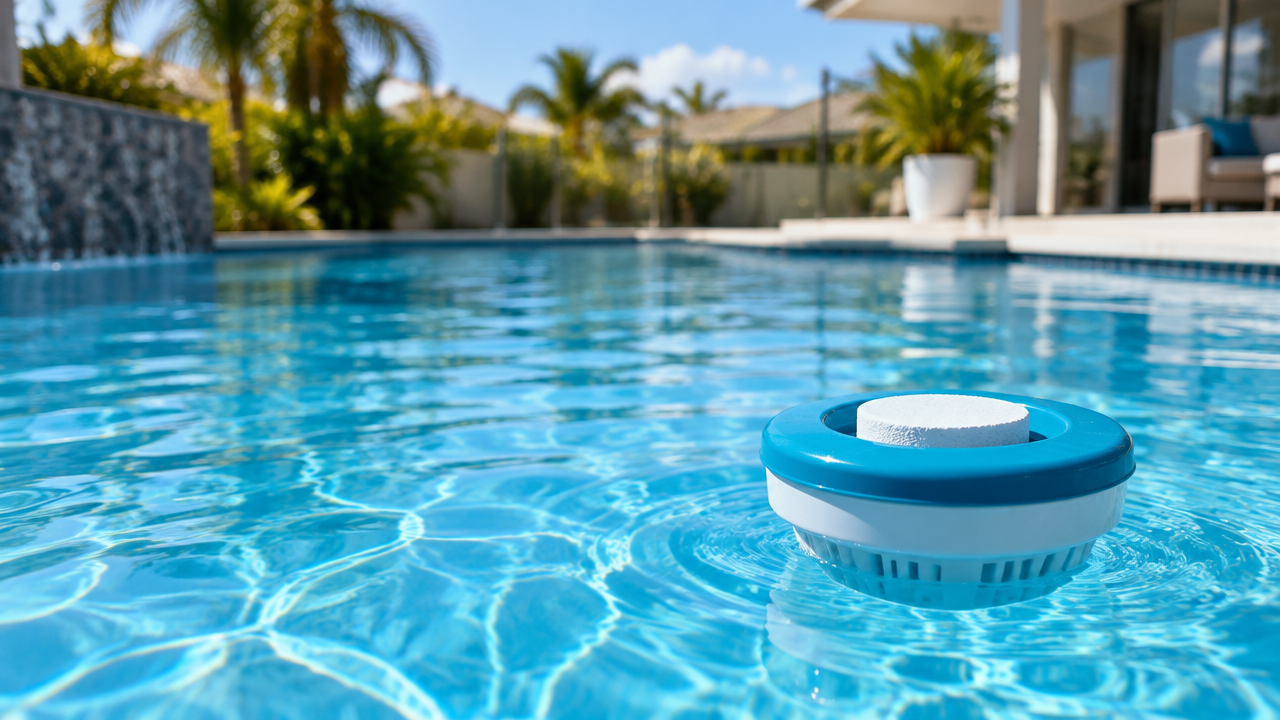
Few things are more crucial than nailing your chlorine and pH levels. If pH slides out of range, chlorine loses its punch; if it spikes, swimmers start to complain. The Better Health Channel suggests optimal pH is between 7.0 and 7.6. I’ve found a digital pH reader helps, but even colour test kits work if read with care.
Pool sanitiser effectiveness heavily depends on pH stability: even a small shift can halve chlorine’s role in killing germs.
With MyPoolMate, the AI flags if my target levels should adjust due to hotter weather, heavy rain, or seasonal needs, sparing me from unnecessary chemical use.
3. Watch for evaporation and water loss
Summer sunshine feels great, but it’s relentless on our pools. According to Northern Territory Government estimates, a typical Australian pool can lose up to 300 litres a day to evaporation during peak heat.
In my experience, a simple pool cover dramatically cuts this loss. If you can, cover the pool when not in use. Top up with fresh water as needed, and recheck chemical balance after large refills. When topping up, retest for salt or stabiliser dilution—especially if you’re using a salt chlorinator. I keep an eye on my salt levels, and recently found some practical guidance on maintaining accurate salt concentrations here.
4. Step up cleaning and debris removal
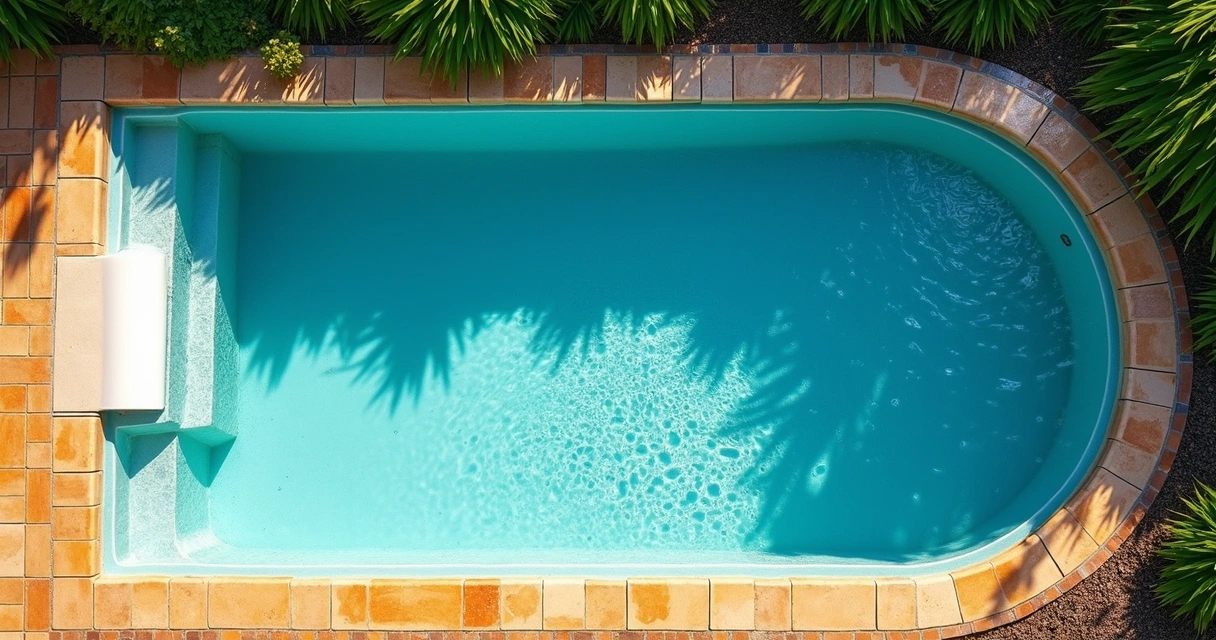
Heat, wind, and summer storms fill my pool with leaves, dust, and the odd unexpected visitor. I’ve built a simple weekly task list, but in summer I clean skimmer baskets and scoops almost daily. A pool vacuum or robotic cleaner can help, but regular netting is what saves me from algae and murky water most of the time.
- Net debris at least every other day, daily after each storm
- Run the pump long enough to circulate all the water (at least 8–10 hours during peak use)
- Empty the skimmer and filter baskets as soon as they fill up
I’ve also collected a few more ideas for routine maintenance habits here.
5. Keep an eye out for algae and act fast
Hot, still water and extra nutrients (from rain or swimmers) create the perfect storm for algae blooms. One summer, I ignored an early green tinge for two days and ended up scrubbing walls for a week. Now, I use an algaecide after storms or heavy pool activity, and I monitor for cloudiness or slippery surfaces.
The earlier you catch algae, the less drastic (and costly) your fix will be. If you do see growth, tailored recovery plans like those in MyPoolMate guide you step-by-step, with options to upload photos and track progress.
For dealing with stubborn organic debris, I've found specialised enzyme treatments help, as discussed in this article about enzyme solutions for persistent water problems.
6. Inspect equipment and surfaces on a schedule
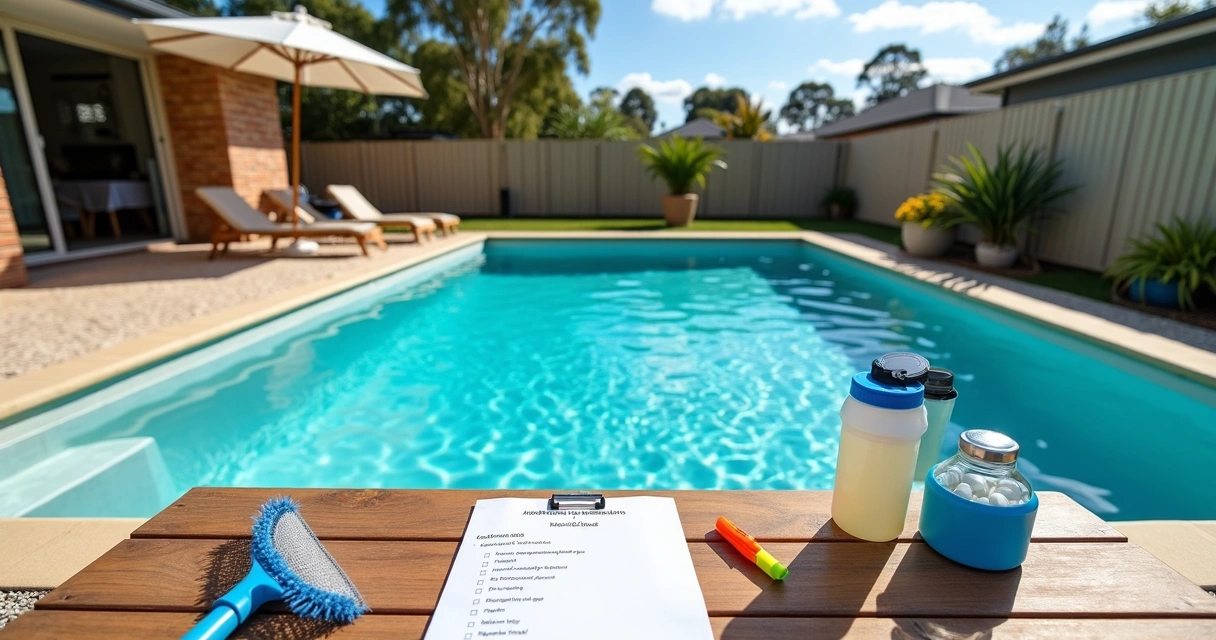
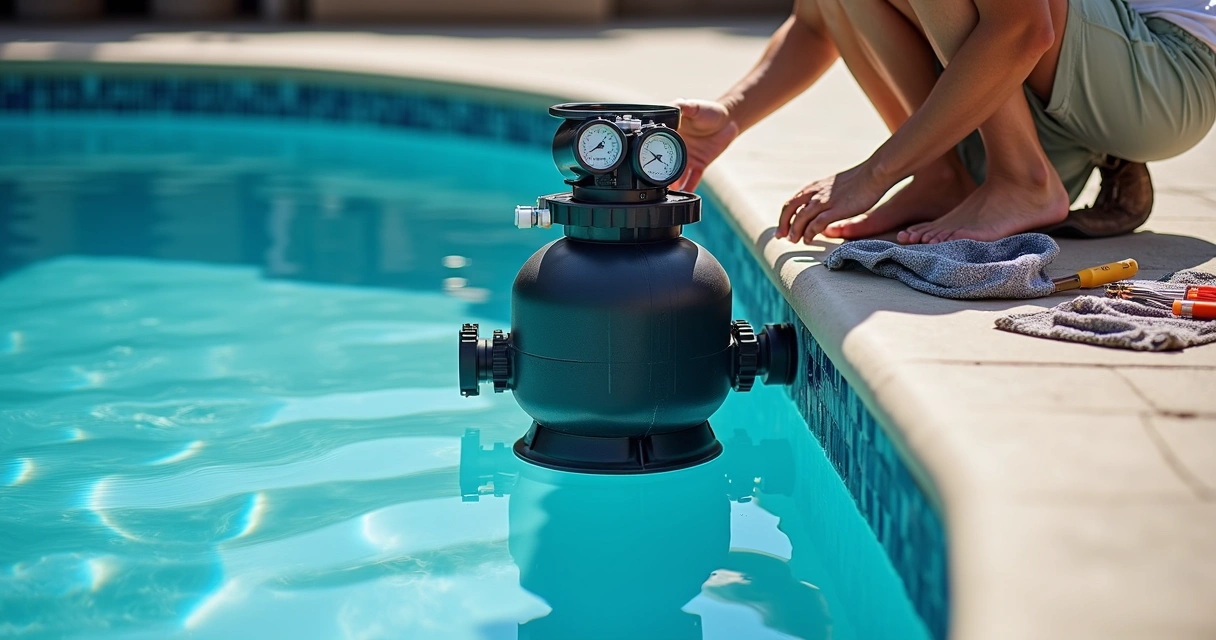
I’ve learned that skipping even one inspection invites trouble. Once a week, I run through a checklist for my filter, pump, heater (if installed), and pool lights, and inspect the coping and tiles for cracks or leaks. MyPoolMate helps me build and track these schedules, but you can just as easily use your phone or calendar to set reminders.
Look for:
- Unusual pump sounds or leaks
- Filter pressure spikes or falls
- Damaged return jets or inlets
- Loose tiles or rough patches on surfaces
7. Use apps and technology to save hassle
Australian summers are busy. I started using MyPoolMate to keep records, track trends, and get AI advice for my specific pool setup. While I used to forget salt levels or lose test strips, now I just snap a photo of the results, and the app logs them into a timeline. Tech like this not only saves paper but cuts chemical waste by suggesting more accurate doses and alerting me to seasonal changes—no generic advice or over-chlorination.
I’ve dug deeper into this smart pool routine in the recent article about pool maintenance routines in Queensland, which can also work across other hot regions.
8. Prepare your pool for trips and holidays
Holidays should mean less, not more, pool worry. I always shock dose before I leave, make sure the skimmer is clean, and top up the water. If away for more than a week, I ask a neighbour to check on things, but automation helps too—timers for pumps, and pool covers to slow evaporation and keep out debris.
A well-prepared pool can go 2–3 weeks with little risk of algae if you balance chemistry and use a cover.
9. Control your ongoing costs the smart way
Last summer I reviewed my pool chemistry log and realised I'd been using more chemicals than needed. Tracking every change, dose, and filter cleaning helped me spot where I could make cuts. Setting up recurring tasks and reminders through MyPoolMate minimised overlap and waste.
If you want a breakdown of what typical pool owners pay, and how simple planning trims expenses, I recommend this cost-saving summary here.
Small, regular actions save you time and money… and protect your summer fun.
Conclusion
Summer doesn’t need to be stressful for pool care. My honest experience tells me that daily testing, tech tools, practical checklists, and personal touches make pool ownership much easier. If you want personalised advice, try MyPoolMate—it’s built for Australian pools and helps you stay ahead of summer’s curve. With your system in place, you’ll spend less time worrying and more time swimming.
Frequently Asked Questions
What are the best summer pool care tips?
The best summer pool care habits include testing water daily, keeping the pH and chlorine within recommended range, cleaning debris often, and using a pool cover to reduce evaporation. I’ve seen swift benefits by setting automated reminders, checking equipment regularly, and adjusting my chemical use for hot or rainy days. These steps directly lower your risk of algae and keep your water inviting all season.
How often should I clean my pool in summer?
I find that cleaning my skimmer baskets and netting the surface daily during high-use periods is key. Even outside heavy use, a light clean every other day reduces debris and cuts down on filter strain. Deeper jobs like vacuuming or checking the filter can be done weekly, but after storms or parties, it’s smart to clean right away.
What chemicals are needed for pool maintenance?
My pool kit relies on chlorine (liquid or granular), pH increaser and decreaser, alkalinity buffer, stabiliser (cyanuric acid), and sometimes, algaecide or enzymes, especially in peak summer or after heavy organic load. The best dosing depends on your specific pool profile, which MyPoolMate helps track and adjust based on weather or water test results.
How to keep my pool water clear?
Clarity depends on steady filtration, regular debris removal, and keeping chemical levels in the recommended range for your pool. Running your filter longer after storms, checking water balance often, and using clarifiers or enzymes for persistent cloudiness helps a lot. Apps and record-keeping reveal trends and catch problems before they grow.
Is professional pool cleaning worth it in Australia?
From my point of view, technology has brought a lot of DIY pool care within easy reach, but for time-poor owners or complex pools, hiring professional help occasionally can be a relief. Even then, using platforms like MyPoolMate to keep history and monitor technician results ensures your pool’s care stays efficient and transparent.