
The days get shorter, the air feels fresher, and I find the outdoors inviting once more. Early autumn truly offers some of the best times to enjoy the backyard, especially for those of us with a home pool. But as I’ve seen with many Australian pools—including my own—this season also brings a hidden threat: algae. Most pool owners think cooler weather means algae disappears. In my experience, that’s just not the case.
Why autumn weather still fuels algae growth
At first glance, autumn seems against algae. There’s that chill in the air, the sun isn’t quite as fierce, and we all start spending a little less time swimming. But when I test pool water this time of year, I’m often surprised by what I find: the water is still warm—sometimes almost as warm as late summer, especially during early autumn.
That happens because of basic science. Water cools down much more slowly than land or air. Even if I wake up to a crisp morning, my pool holds onto heat for weeks or even months, depending on the volume, exposure, and recent weather. As long as my pool water hovers above about 15°C (59°F), algae can still thrive. Sunlight continues to reach the water, and even as sun angles shift, daylight is enough for photosynthesis.
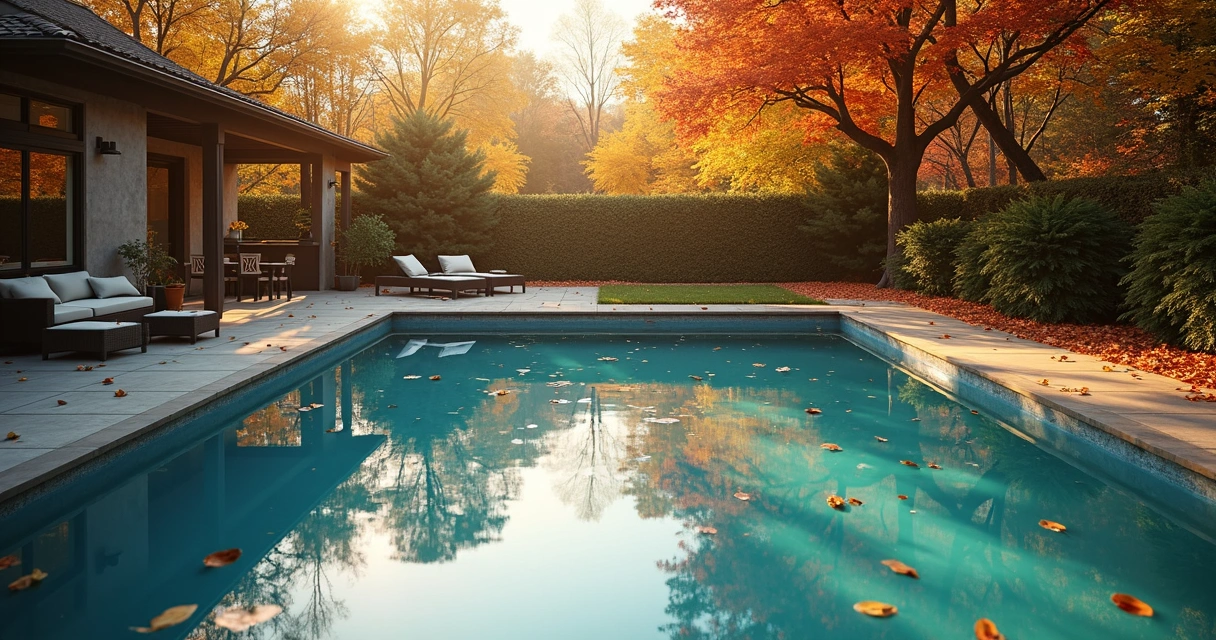
Algae only needs three things to grow: warmth, sunlight, and nutrients. In autumn, it keeps getting all three. Debris from windy days, rain washing in nutrients, and slow-decomposing organic matter linger in the pool. And if you’ve ever been tempted to reduce filtration or skip brushing because swimming season feels “over,” you know what happens next—green, yellow, or black stains appear!
Why water temperature is the key (not the air)
Pools don’t follow the same temperature patterns as other parts of the backyard. Here’s what’s really happening: during the day, the sun warms the pool, often more than the land. At night, cool air passes over the surface, but the water cools off slowly. Breezes in autumn are caused by differences in air pressure between cool land and warmer water, especially in the late afternoon. But it’s the temperature of the pool water itself that matters for algae.
Water temperature—not air—is what controls autumn algae.
Even on a chilly morning, if I test the pool and see the water is hovering around 20°C, I know I can’t slack off on algae prevention. The conditions are still right for an outbreak.
The role of nutrients: why autumn brings danger
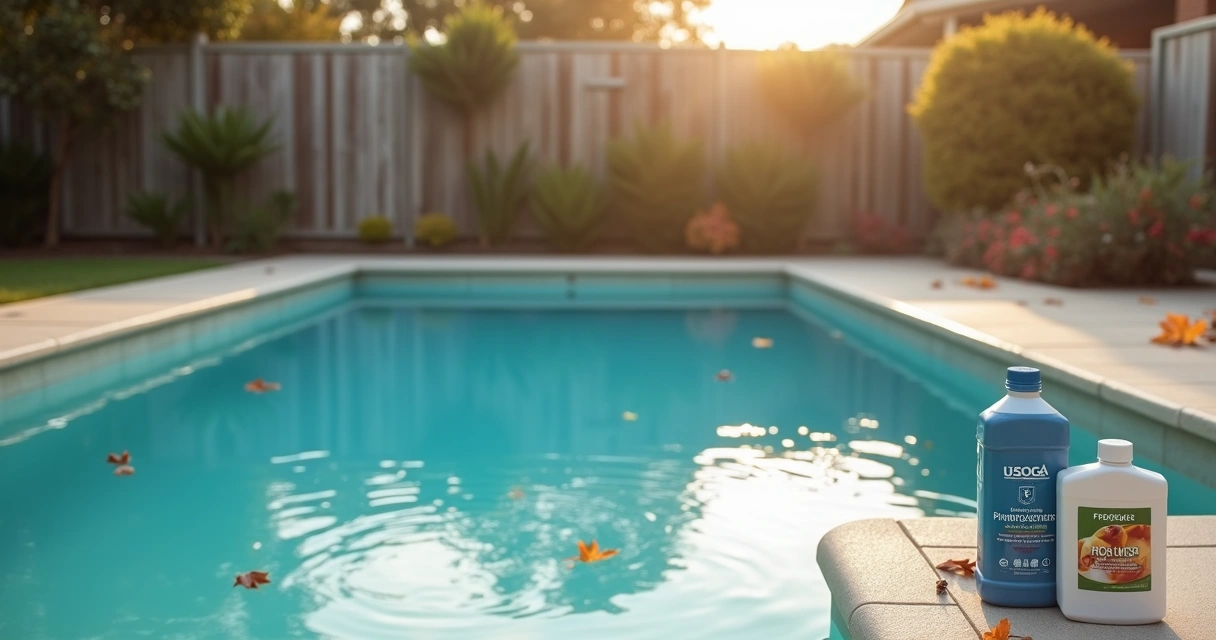
I’ve noticed autumn brings more leaves and organic debris into my pool than summer. Windy weather, combined with nearby trees that start shedding, means I skim out twigs and leaves almost daily. But it doesn’t stop there—rain can wash in soil, pollen, fertilizers, and other nutrients.
Phosphates from leaf litter and lawn runoff
Nitrates from rain, bird droppings, and fertilizers
Organic matter from decaying plants and summer sunscreen residues
All these feed algae. Even if chlorine is balanced, heavy nutrient loads put extra stress on chemical levels. Treating only what you can see, like skimming debris or shocking after a storm, often isn’t enough. That’s where staying ahead—especially in autumn—makes all the difference.
Why stopping algae means being proactive, not reactive
I’ve learned the hard way: it’s far easier to prevent algae than to battle it once it appears. Autumn is when people slip out of their summer routine, get busy, or just assume, “It’s not swimming season. What’s the risk?”
Algae take advantage when we relax our guard.
Skipping treatments or reducing filtration saves a little on effort or cost, but the payoff is short-lived. The real cost comes when you find green, yellow, or black stains that need full recovery treatments, scrubbing, and sometimes expensive chemical corrections.
Best autumn algae control: why copper-based products stand out
Over my years managing pools, I’ve tried dozens of algae control products. I keep coming back to the same lesson: copper-based algicides, like 90-Day Algicide from Lo-Chlor®, work because copper can’t be destroyed by chlorine, sunlight, or time. That means it keeps fighting algae long after chlorine or other treatments fade.
But traditional copper can cause staining if used carelessly. That’s why, in my research, I appreciate the unique formula of Lo-Chlor® 90-Day Algicide, designed specifically to prevent copper staining. It works on all common pool surface types and holds strong for a full three months—enough to cover the entire autumn season, and then some.
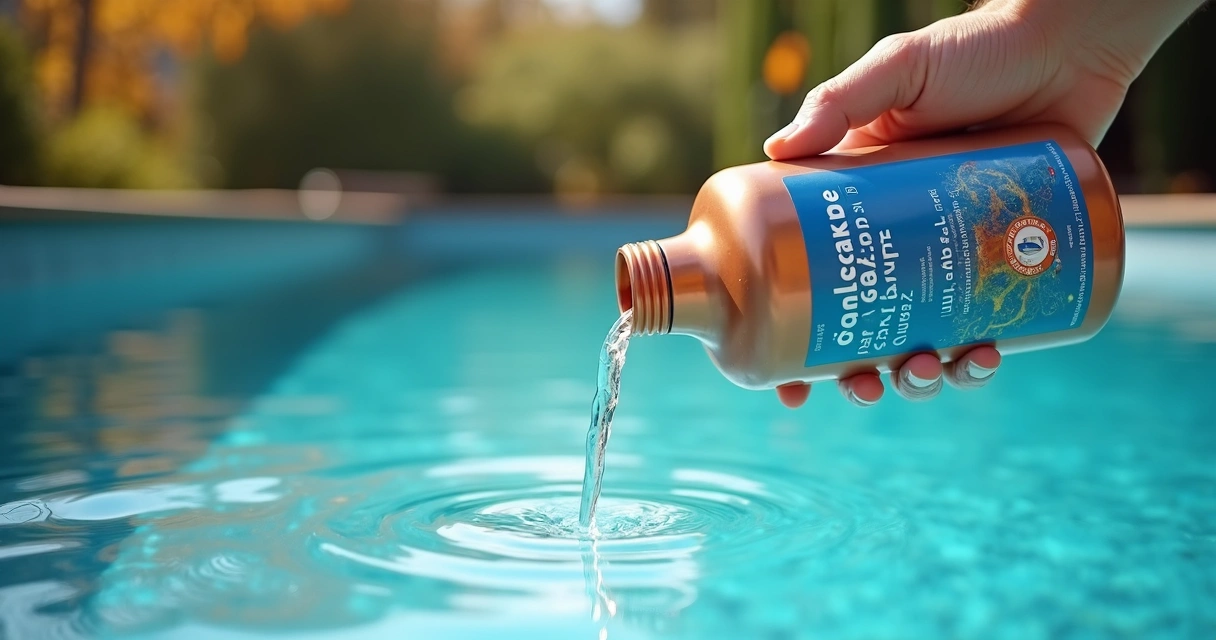
What I like about copper is simple: algae take breaks and go dormant, but copper keeps working around the clock. It doesn’t matter if I skip a day or two, or if sudden weather changes interrupt my maintenance schedule. Copper doesn’t “sleep”—so my pool stays protected.
Remove phosphates: why using Lo-Phos® Max strengthens your defense
Even the best algicide can struggle if phosphates pile up. These nutrients are like fuel for algae, especially after wind, rain, or organic debris build up in the pool. This is why I recommend pairing copper-based algae treatment (like Lo-Chlor® 90-Day Algicide) with a phosphate remover such as Lo-Phos® Max. By stripping out phosphates, I make the environment even tougher for algae.
Copper kills and prevents algae for up to 90 days.
Lo-Phos® Max removes phosphates, cutting off algae’s main food source.
I find this one-two punch stops outbreaks before they start, especially when autumn brings more nutrients into the pool. It’s not guesswork—but a proven system.
Staying on top of autumn pool care: real routines that work
Every autumn, I watch for these seven signs that my pool needs treatment, as detailed in this guide to pool care warning signs. A little cloudiness, slippery steps, or stains hint that I’m due for action. Here’s what I keep in my routine during autumn:
Test and balance chlorine weekly. I always double-check with the guide to pool chlorinators if I run into issues.
Keep pH and alkalinity in range. This makes chemicals like copper much more effective.
Run the filter at least 6–8 hours a day, or more if I notice heavy debris.
Add Lo-Chlor® 90-Day Algicide after brushing and vacuuming, following label rates for my pool size (useful to calculate with a pool chemical calculator).
Dose Lo-Phos® Max at least monthly, more often after storms or heavy leaf fall.
Use an enzyme-based pool cleaner as a bonus to break down stubborn organic material—leaving less to fuel algae.
Skim and vacuum weekly, even when no one is swimming. Hidden debris can pile up fast.
This approach has helped me avoid nearly all surprise algae blooms—no matter how nice the autumn weather feels.
Cloudy water, algae, and other autumn water issues
Sometimes, I see families struggle with pools that get murky, cloudy, or even smelly during mid to late autumn. Often, it’s because algae have taken hold or the filtration routine slipped. Keeping my filter running, brushing the steps and walls, and using powerful weekly or monthly chemicals avoids most autumn water quality issues.
You can learn more about seasonal pool care in this autumn pool maintenance guide and find tailored advice with solutions on MyPoolMate. These resources break down algae control by season, problem, and source—nothing generic, everything targeted for your specific pool.
Conclusion: Don’t ease up in autumn—stay ahead, stay clear
In my own experience and that of countless pool owners I help, autumn is when vigilance pays off. The air may be cool, and the days may seem far from summer, but your pool water is still backing active algae. If you treat autumn like a “rest period,” algae will sneak in and claim your pool.
The best approach is consistent, smart maintenance: copper-based 90-Day Algicide, phosphate removal with Lo-Phos® Max, regular chlorine balancing, and routine cleaning—even in lovely October weather.
Want algae-free water without the guessing game? See how MyPoolMate’s personalised AI-powered plans can automate your autumn pool care—so you stay protected, all year long.
Frequently asked questions
What causes algae in pools during autumn?
Algae are caused by a mix of warm water, sunlight, and nutrients like phosphates and nitrates. In autumn, pool water stays warm even as air cools, and nutrient loads increase from fallen leaves, rain, and organic debris. Algae continue to grow as long as these conditions exist.
How can I prevent fall pool algae?
Keep routine maintenance going strong. Use a copper-based algicide such as Lo-Chlor® 90-Day Algicide for lasting protection, regularly remove phosphates using Lo-Phos® Max, balance chlorine and pH, and clean out leaves and debris. Running your filter and brushing pool surfaces add extra layers of defense.
Is pool algae dangerous in autumn?
Pool algae can be a slip hazard and can hide bacteria or parasites. Some types, like black algae, are stubborn and hard to kill. Even in cooler months, algae can clog filters and make the pool unsafe or unhealthy, so controlling algae remains very important in autumn.
What are the best autumn pool treatments?
The best treatments in autumn combine prevention and cleaning: copper-based 90-Day Algicide for ongoing algae protection, Lo-Phos® Max to remove phosphates, weekly chlorine testing, regular filtration, and brushing to stop debris from fuelling algae growth.
How do I remove algae from my pool?
If algae have already appeared, brush all surfaces thoroughly to expose growth, vacuum the pool to waste, then shock the water with chlorine. Add a copper-based algicide and follow up with a phosphate remover. Keep the filter running until the water is fully clear, then resume your regular preventive routine.