
I get asked this a lot: are pool shop water tests accurate enough to trust with your pool care? My honest answer is simple. Sometimes yes. Sometimes no. It depends on how the sample was taken, how the test was run, what tool was used, and how the results were turned into advice.
Pool shop testing can be useful, but it is not automatically precise just because it is done in a store.
Over the years, I have seen people walk in with the same water, test it twice in different places, and come back with two different treatment plans. That can be frustrating. It can also get expensive fast. A pool does not care about sales targets. It only responds to chemistry.
This is one reason I like the approach behind MyPoolMate. It pushes people to look at the whole pool, not just a printed test slip. Pool size, surface, salt level, sanitizer type, season, and recent treatment all change what a reading means.
Why test accuracy varies
When people ask me if store water tests are reliable, I usually say that the test result is only as good as the process behind it. Errors can happen before the sample even reaches the machine.
The main weak points are usually these:
- Bad sample collection from the pool
- Old or contaminated sample containers
- Delay between collecting and testing
- Uncalibrated digital equipment
- Different staff procedures
- Wrong interpretation of what the numbers mean
A perfect machine cannot fix a poor water sample.
I have seen pool owners scoop water from right near a return jet, leave it in a hot car, then wonder why the reading seems odd. That sample may no longer reflect the water in the pool.
Pool shop tests vs at-home kits
In my experience, this should not be treated like one method is always good and the other is always bad. Both have strengths. Both have limits.
Pool shop testing
Pool shops often use digital readers or bench testing systems. These can be quite good when the device is maintained well and the staff follow a consistent routine. But one issue I keep seeing is variability. One shop may run clean, well-checked equipment. Another may not. Even within the same store, two staff members may handle a test differently.
There is also the human side after the test. A number on a screen is one thing. The chemical plan built from it is another.
Good data still needs good judgment.
If you want a deeper look at chemical recommendations, I suggest reading why you may not need every chemical a pool shop suggests.
Test strips at home
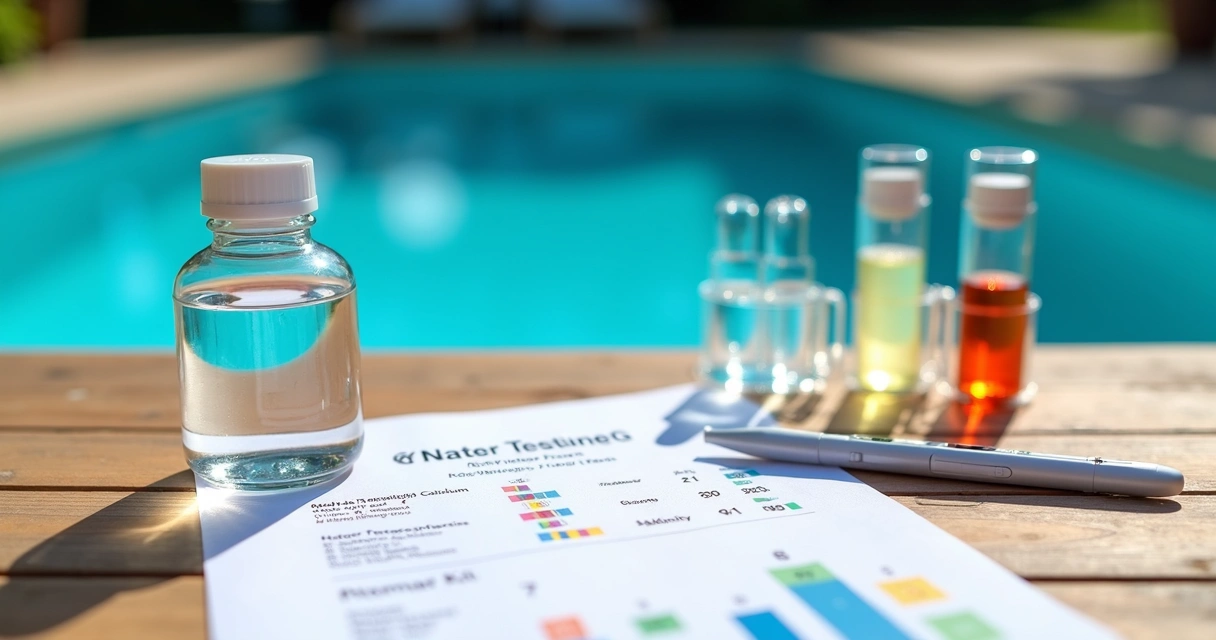
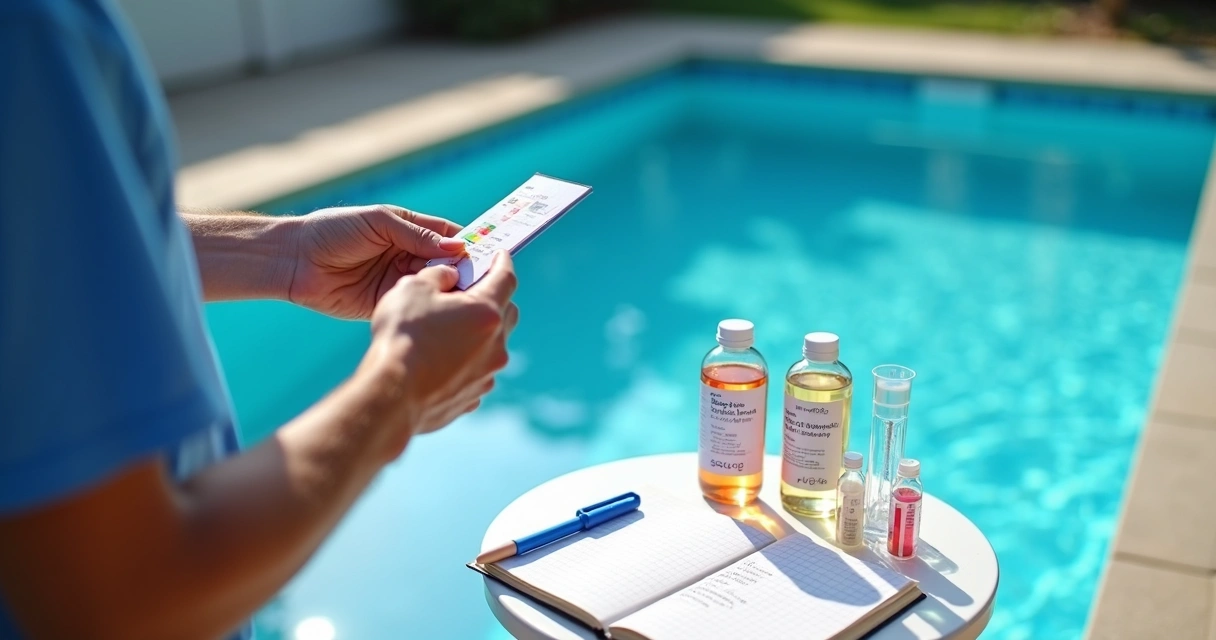
Test strips are fast and easy, which is why many owners use them. I do too, for quick checks. Still, they are usually less exact than a good liquid kit. Color matching can be hard in bright sun, strip pads can age badly in humid storage, and timing matters more than many people think.
Test strips are best for trend spotting, not for fine dosing decisions.
Liquid test kits at home
For home users, I think liquid drop kits often give the best balance of cost and accuracy. They take longer, but they usually provide better readings for chlorine, pH, and alkalinity than strips. The catch is that people need to follow directions closely. Wrong drop count, poor lighting, or expired reagents can throw things off.
Digital home readers
Digital readers can help reduce guesswork, but they are not magic. They still depend on clean sample cells, fresh reagents if required, and correct calibration. I have seen users trust a digital number too quickly just because it looked scientific.
Which pool readings matter most?
If I had to narrow it down, these are the readings I watch most closely for routine residential care:
- Free chlorine
- PH
- Total alkalinity
- Calcium hardness
- Cyanuric acid
If these five are off, the pool can look fine one day and fail the next.
Chlorine tells me if the water can sanitize properly. pH affects swimmer comfort, surface wear, and chlorine performance. Alkalinity helps steady pH. Calcium hardness matters for scaling or surface damage. Cyanuric acid changes how protected chlorine is from sunlight, especially in Australian conditions.
The Wisconsin Administrative Code even sets accuracy standards for test kits, including chlorine and combined chlorine within ±0.2 ppm, pH within ±0.2 units, alkalinity within ±25%, and cyanuric acid within ±20%, which shows how small errors can still matter in practice when you are dosing chemicals based on those readings. You can see those test kit accuracy standards for pool chemistry in detail.
How often should you test?
I prefer simple routines that people can actually keep.
- Chlorine and pH: 2 to 3 times per week in swim season
- Alkalinity: weekly or every two weeks
- Calcium hardness: monthly
- Cyanuric acid: monthly, and after large water changes
- Salt, if relevant: monthly or when chlorine output seems off
If there has been heavy rain, a heat wave, lots of swimmers, algae, or a shock treatment, I test sooner. If you are managing a salt pool, this guide on fixing high pool salt levels with accurate testing helps explain why one reading alone is not enough.
Common mistakes that skew results
I think this is where many false readings begin. Not in the machine. In the routine.
These mistakes are very common:
- Taking water from the surface instead of elbow depth
- Collecting near returns, skimmers, or chemical feeders
- Using a dirty bottle
- Leaving the sample in direct sun or in a warm car
- Testing right after adding chemicals
- Using expired reagents or damp strips
- Reading strip colors too early or too late
Proper sample collection is often the difference between a smart treatment and a wasted one.
Marin County Environmental Health Services also notes that very high chlorine above 10 ppm can interfere with pH and alkalinity readings, and they recommend diluting samples for better precision in those cases. I think that point is often missed, so I keep it in mind when checking guidance on accurate pool water testing and sample dilution.
Why one test result can lead to too many chemicals
This is where caution matters. A single test printout can make a pool look like a disaster when it may only have one root issue. If pH is out, chlorine may look weak. If cyanuric acid is high, chlorine demand may seem confusing. If calcium is high and pH is also high, the water may go cloudy and the wrong fix gets blamed.
For example, research discussed in why cloudy water can remain after shocking explains that pH above about 7.8 can cause calcium to precipitate and cloud the water. Another piece on why a pool can be cloudy even when chlorine is high points out that high chlorine alone is often not the real cause. I find that helpful because people often chase the wrong number.
Then there is the slow drift issue. If you use trichlor tablets, pH can keep falling over time, which is one reason I watch regular pH checks closely. This pattern is explained well in why pool pH can keep dropping with tablet use.
Why tracking over time matters
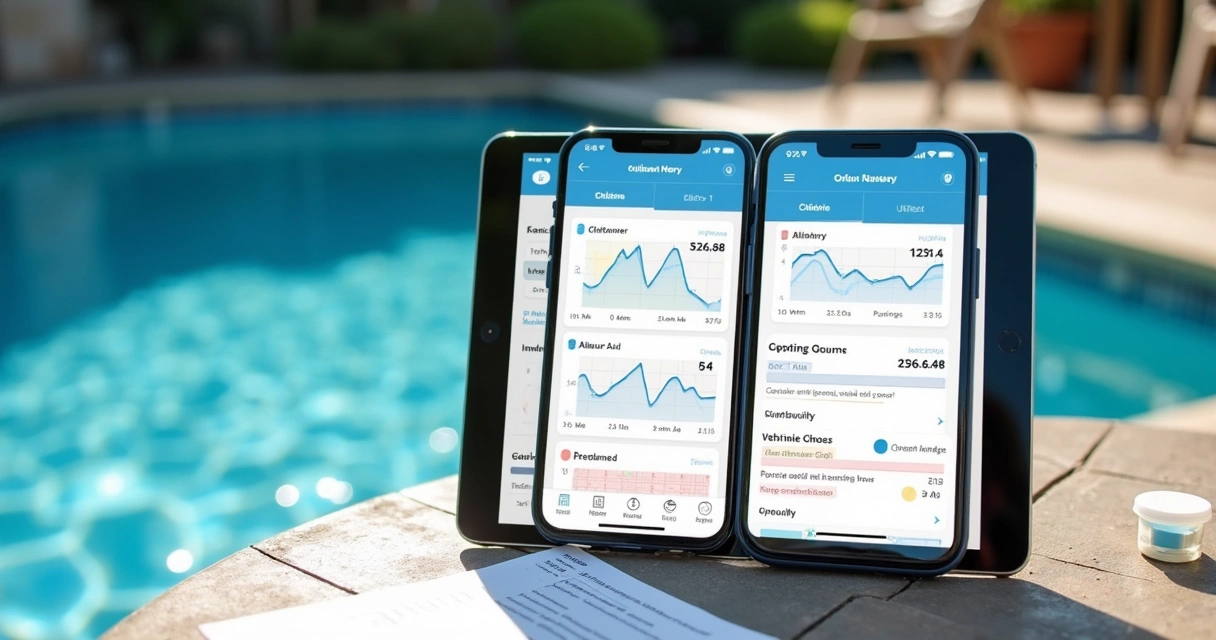
I trust patterns more than isolated readings. One number can be wrong. A trend is harder to dismiss.
If chlorine keeps dropping every Saturday, that tells me something. If pH falls steadily when tablets are used, that tells me something else. If calcium rises month by month, I start looking at evaporation and top-up water. This is where digital tools help.
MyPoolMate does this well by keeping test history, pool details, and treatment context in one place. That matters because the same pH result can mean different things in a fresh plaster pool, a salt pool, or a pool recovering from algae.
If you are trying to spot treatment issues early, I also like this article on signs your pool needs treatment. For people dealing with organics and water clarity, this piece on enzyme pool care for organic debris and water issues adds useful context.
When should you retest?
I retest when the result does not match what I see. That sounds simple, but it saves money.
Retest if:
- The reading is far outside your normal pattern
- You just added a large dose of chemicals
- The water looks fine but the test looks severe
- Two methods give very different numbers
- You are about to make a costly correction
I also think it helps to confirm dosage before adding chemicals. A good pool chemical calculator reduces overcorrection, especially when volume estimates are rough. This guide on a pool chemical calculator for metric dosing is a practical starting point.
Conclusion
So, are pool shop water tests accurate? I would say they can be helpful, but they are not beyond question. The best result comes from good sampling, a sound test method, and calm interpretation of the data. Store testing can offer a useful snapshot, while at-home kits help you keep a steady watch on trends. In my experience, the smartest pool owners do not rely on one number from one moment. They compare methods, retest when needed, and track changes over time.
The safest approach is to verify readings, treat the cause instead of the symptom, and keep a clear record of what changed.
If you want a more personal way to review your pool chemistry, spot patterns, and avoid unnecessary chemical use, I suggest getting to know MyPoolMate and seeing how its pool-aware analysis can help you make better treatment decisions.
Frequently asked questions
How accurate are pool shop water tests?
They can be fairly accurate, but not all shop tests are equal. Accuracy depends on clean sample handling, maintained equipment, proper staff procedure, and correct interpretation. I would treat them as useful data, not as unquestionable truth.
Are pool store water tests reliable?
They are reliable enough for many routine checks when the process is done well. Still, I have seen differences between stores and even between repeat tests. That is why I like confirming odd results with a home liquid kit or a second test.
Should I trust pool shop test results?
I think you should respect them, but verify them if the advice seems extreme or expensive. If the result does not fit the look and feel of the pool, or if the treatment plan seems too large, a retest is a smart move.
How often to get pool water tested?
For most home pools, I would check chlorine and pH two or three times a week in warm months, alkalinity weekly or fortnightly, and calcium hardness plus cyanuric acid monthly. Extra testing makes sense after rain, heavy use, algae, or major chemical additions.
Is it worth it to use pool shops?
Yes, they can be worth using as one source of information, especially for occasional deeper checks. I just would not rely on them alone. The best results usually come from combining shop testing with your own regular checks and a tracking system such as MyPoolMate.