
Cloudy pool water is one of those pool problems that always seems to happen just when you want a swim. In my experience, few sights are as disappointing as crystal blue water turning cloudy overnight, especially after a heavy rain or a busy pool party. With the price and supply of chlorine both being unpredictable these days, it's more helpful than ever to get your pool looking clear without wasting chemicals. That is where clarifiers and flocculants come in, each with their own strengths for battling murky water in a hurry.
Understanding cloudy pool water
I often get asked, “What actually causes pool water to go cloudy?” From what I’ve seen, it’s nearly always a build-up of tiny particles—dust, algae, pollen, sunscreen, body oils, or even microscopic algae—suspended in the water. These are too small for the filter to grab, but large enough to scatter light and turn your pool cloudy. Add in the challenges of high swimmer loads, storms, or an out-of-balance pool, and it makes sense why it happens so often.
When you think about how expensive and hard to find chlorine has become, it makes even more sense to remove as much debris as possible with the right treatment, instead of overloading on chlorine or other chemicals. Targeted solutions can keep your water crystal clear with fewer chemicals—and less expense.
How clarifiers and flocculants work
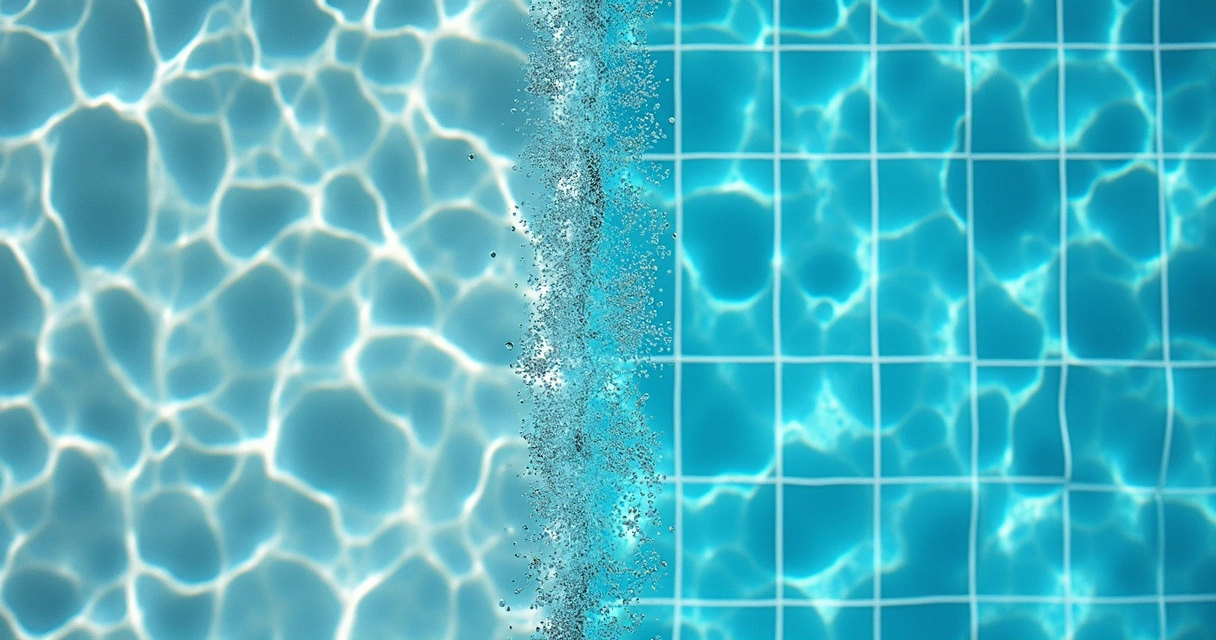
Both clarifiers and flocculants are designed to do the same basic job: group together small particles that are floating in your pool water, making them large enough to remove easily. The difference comes down to speed, your filter, and what you consider “easy.”
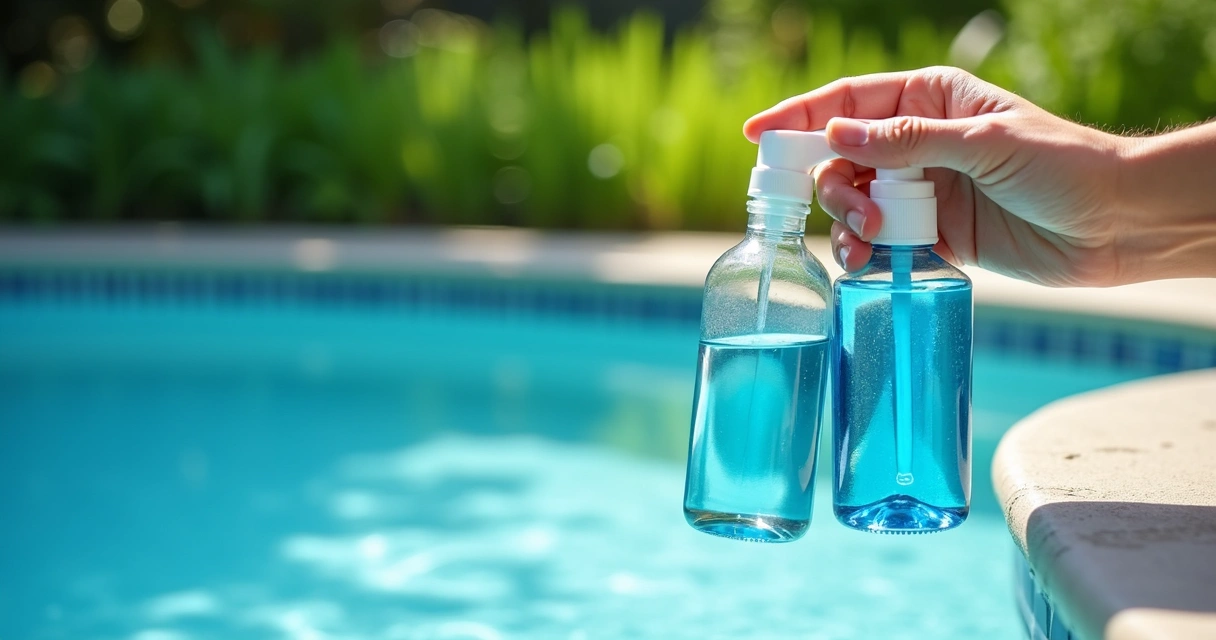
Pool clarifiers: Gentle, efficient, and filter-friendly
A pool clarifier works by gathering up microscopic bits in your water and binding them together into larger clumps. These are then caught by your pool filter during regular circulation. It’s like running a lint roller through your water, only the filter does the collecting. The process is usually safe for all types of pool surfaces and doesn’t mess with your water balance.
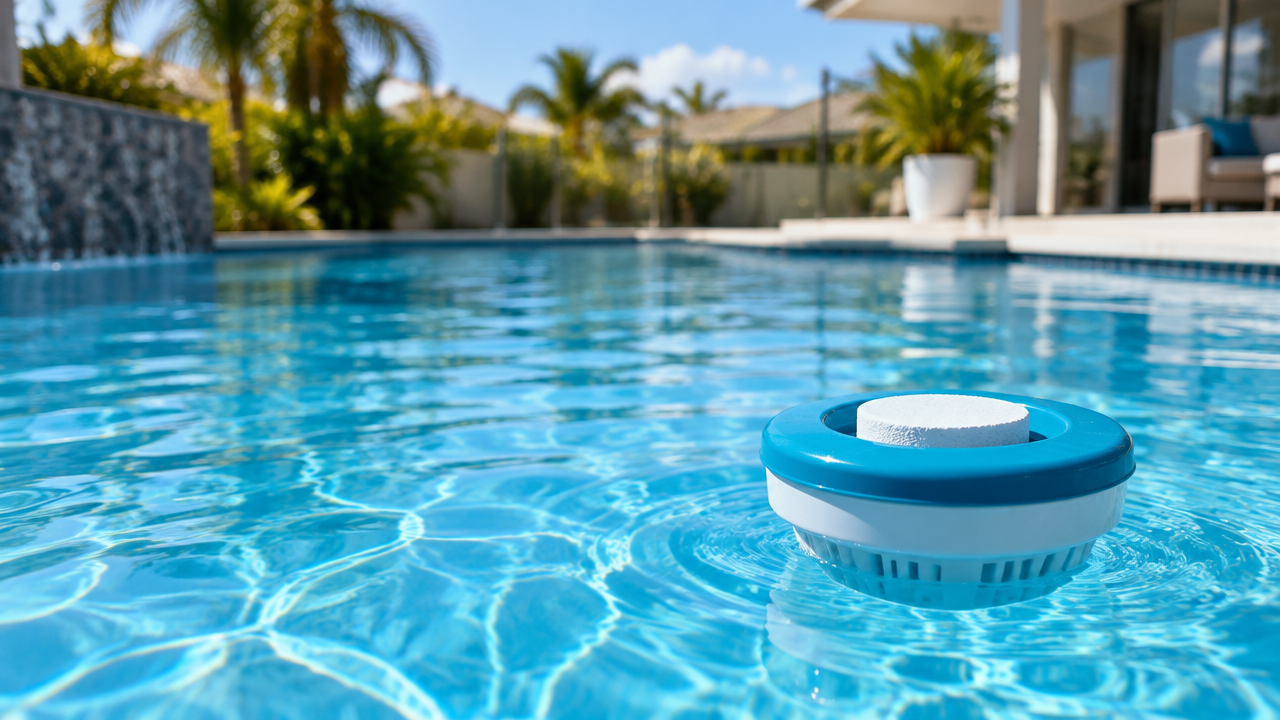
In my opinion, clarifiers are perfect for regular maintenance. They polish your water, restoring shine and that inviting sparkle especially after a period of heavy use or a dust storm. Good clarifiers should deliver visible clarity in as little as 24 hours and won’t leave behind residue that upsets your pool chemistry. Products like Miraclear® Blue liquid clarifier are well-known for their fast action, and I like that the Miraclear® Clarifier Tab keeps working for up to 30 days, slowly releasing active ingredients to keep the water crisp between applications.
- Pros of clarifiers: Easy to use, safe for all pools, “set and forget” style, doesn’t interrupt swimming for long.
- Cons: Not as fast as flocculants for severe cloudiness, depends on the filter being clean and in good condition.
Pool flocculants: Fast, heavy-duty, and a bit more work
Flocculants are the choice when you need clear water fast, and don’t mind a little elbow grease. They act like a magnet: as soon as you add the flocculant, it binds with the suspended particles so quickly that they clump together and sink straight to the pool floor, usually in minutes to an hour. This creates a visible layer of debris “sludge” on the bottom.
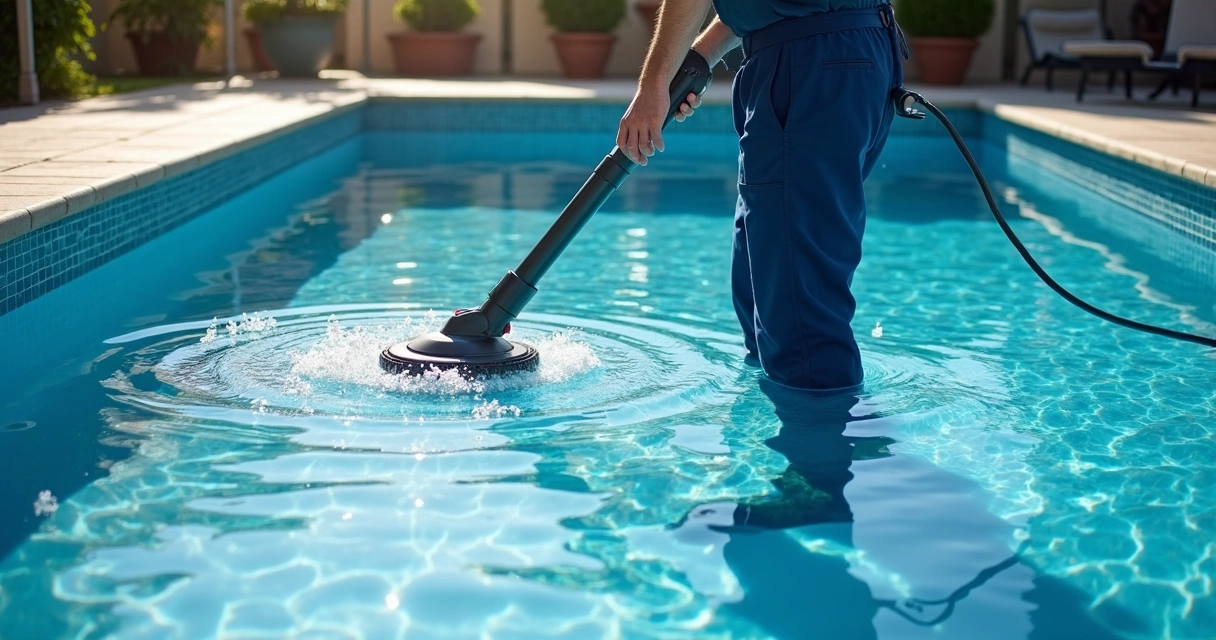
The catch? Your filter can’t remove what’s now sitting on the pool floor. Flocculants require that you vacuum the pool to waste, removing everything in one go. In my experience, this job is often best done by pool professionals, since many pool owners either don’t want to waste that much water or lack the right vacuum to get fine debris off all pool surfaces. If you’re doing it yourself, you’ll typically turn off the pool pump and let the water stand still so the debris can settle fully before vacuuming.
When selecting a flocculant, whenever I’m helping pool owners or service techs, I look for products that work fast and across a range of water conditions. Knockdown flocculant products are popular with professionals because they work in different pH conditions, saving you time and worry over tweaking the water first.
- Pros of flocculants: Very quick results, removes even stubborn cloudiness, good for emergencies.
- Cons: Not practical for regular use, requires more effort and water loss, not ideal if you don’t have a waste setting or proper vacuum.
When to use clarifier versus flocculant
Here’s how I usually help decide what’s best for different situations:
- Use a clarifier if: The water is dull but not completely opaque; you want a gentle fix without a lot of downtime; you prefer ongoing routine sparkle after heavy rainfall, high swimmer numbers, or pollen events.
- Use a flocculant if: Your pool is so cloudy you can’t see the bottom or you need fast results for a special event. Just make sure you’re ready for the vacuuming job to follow.
Knowing which tool to reach for can save a swim—and a lot of money on chlorine. Paired with smart monitoring, like what I get through MyPoolMate’s AI-powered water analysis, you can decide what’s truly needed without relying on one-size-fits-all advice. If you want to learn more about targeted pool care, you might enjoy my guide on whether you need all the chemicals a pool shop recommends.
How to use clarifiers and flocculants for best results
Clarifier treatment steps
- Backwash or clean your pool filter so it is working its best.
- Add the clarifier according to label instructions, with the pool running and circulating as usual.
- Let the pool run for at least eight hours so the product can pass through the filter multiple times.
- Check your pool the next day. If the water still shows cloudiness, repeat as needed or check that your filter media isn’t worn out.
If you prefer a lower-maintenance solution, I’ve found the Miraclear® Clarifier Tab handy because it keeps working for a month, slowly releasing clarifier agents for steady clarity.
Flocculant treatment steps
- Brush walls and floor to break up debris and circulate water.
- Stop the pool pump to keep water as still as possible so debris can fully settle.
- Add the flocculant per directions and let it sit undisturbed for 8–12 hours.
- Once debris settles, carefully vacuum the pool floor to waste. Move slowly to avoid stirring up particles.
- Refill and rebalance your pool as needed after vacuuming is done.
One last tip: avoid using both treatments together unless the product says so. Clarifiers and flocculants work with different methods, and combining them can sometimes make things worse, not better.
A note on ongoing pool care
Cloudy water can have other root causes too—think algae growth, filter problems, or simply too much organic gunk. Clarifiers and flocculants are great tools for the right problem, but regular balanced water is really your foundation. For Australian pool owners wanting tailored advice, I use MyPoolMate not only for chemistry adjustment, but also to maintain consistent clarity and prevent situations from getting out of hand. If you’re curious about other water maintenance methods, you might like my article on enzyme pool care and its impact on water quality.
I’ve seen that using a mix of regular filter cleaning, smart technology (like AI-powered testing), and high-quality clarifiers can usually prevent the need for emergency flocculant treatments. For those living in Queensland, you may find my pool maintenance tips for Queensland especially handy during storm season.
A quick look at extra problems clarifiers can help with
- Algae outbreaks (after treatment): Once algae is killed, a clarifier helps your filter catch smaller dead algae particles that slip through on their own.
- Tile scum and organic stains: Clarifiers bind greasy residues, making them easier to capture before they build up around waterlines.
- Heavy swimmer or pet load: After big gatherings or visits from pets, clarifiers provide that last polish to remove oils and dust.
If you want even deeper details on chemical options or pool tech, my guide on how pool chlorinators work is a good next step, or you can always browse the knowledge hub at our pool chemistry articles.
Conclusion: Fast clarity with smarter pool care
Both clarifiers and flocculants tackle cloudy water by grouping invisible particles, but your choice depends on how fast you want results and how much work you’re willing to do. In my opinion, a clarifier is the go-to for sparkling water and peace of mind. Flocculants are perfect for emergencies or when you simply need fast, dramatic improvement. Either way, pool owners and service providers will both notice the difference in water clarity. With the ever-changing pool chemical market in Australia, selective use of these solutions saves time, money, and effort. For advanced, AI-driven recommendations personalized for your pool, discover the difference at MyPoolMate. Try the AI-powered system for tailored clarity plans and keep your pool clear, healthy, and always inviting.
Frequently asked questions
What is a pool clarifier?
A pool clarifier is a liquid or tablet product that binds together tiny particles floating in pool water, making them large enough for the filter to remove. This clears up dull or moderately cloudy water and is safe for ongoing maintenance. Clarifiers do not change the pool’s water balance and are easy to use for all pool types.
What does a flocculant do?
A pool flocculant quickly clumps suspended debris into heavy particles that sink to the pool floor, allowing you to vacuum them out of the pool. It works much faster than a clarifier, but requires you to manually remove the debris using a pool vacuum to waste, and is often best done by professionals.
Which works faster, clarifier or flocculant?
A flocculant works much faster than a clarifier, clearing cloudy water in just a few hours compared to the typical 24-hour timeframe for clarifiers. However, a flocculant requires more effort to remove settled sludge, while a clarifier works through your filter with minimal interruption to swimming.
How do I use pool clarifier?
To use a pool clarifier, start with a clean filter. Add the clarifier according to instructions with the pool pump running. Allow the pool to circulate for several hours, and check clarity after 24 hours. If water is still cloudy, repeat or check the filter media for replacement as needed.
Is it worth it to use flocculant?
Using a flocculant is worth it when you need instant results, such as for a party or after an extreme weather event leaves your pool too cloudy for swimming. Just remember it means extra work and some water loss, since you’ll need to vacuum debris to waste and refill the pool afterward. If you have frequent water clarity issues, ongoing clarifier use and smart monitoring may be more practical.