
A sparkling pool is more than just a backyard luxury. For many families in Victoria, it’s where weekends are spent, laughter rings out, and long afternoons stretch into calm evenings. I think every time I walk outside and see clear blue water, I’m reminded that this isn’t just about looks—it’s about safety, too. Keeping that water safe and clear takes real attention, especially when it comes to getting the chemistry right. And for most pools in Victoria, chlorine does the heavy lifting.
Chlorine isn’t just a chemical—it’s the guardian of your pool’s health.
Why chlorine matters in your pool
In my experience, people are often amazed at how much goes on beneath the surface of their clear pool water. Chlorine is the main disinfectant most pools use. It gets to work fast, stopping bacteria, algae, and germs before anyone can get sick. But there’s more to it than just “pour and swim.”
- Kills harmful germs: Chlorine wipes out bacteria—fast—keeping your family safe from infections and illnesses.
- Helps prevent waterborne diseases: It works behind the scenes to make water safe, so you don’t have to worry with every splash.
- Stops algae: Nobody wants to swim in green soup. Chlorine blocks algae before it gets started.
- Keeps pipes and tanks clean: Over time, it even keeps your system running clean and smooth by preventing build-up.
- Can be important during emergencies: In times of crisis, chlorine is even used to make water drinkable.
- It's well-regarded in other industries: Many industries, including food and pharmaceuticals, rely on chlorine for purity and safety.
Using the right amount of chlorine is the difference between a pool that’s safe and one that could cause health problems or big repair bills.
How much chlorine does a pool need in Victoria?
One thing I’ve seen over and over: you can’t just guess the dose. In Victoria’s climate, the right amount depends on the size and use of your pool. But if you want a starting point for a typical backyard setup, here’s what I recommend:
- For a standard 50,000-litre (about 13,200 gallons) pool: Start with 1 to 2 litres of liquid chlorine (12–15% strength).
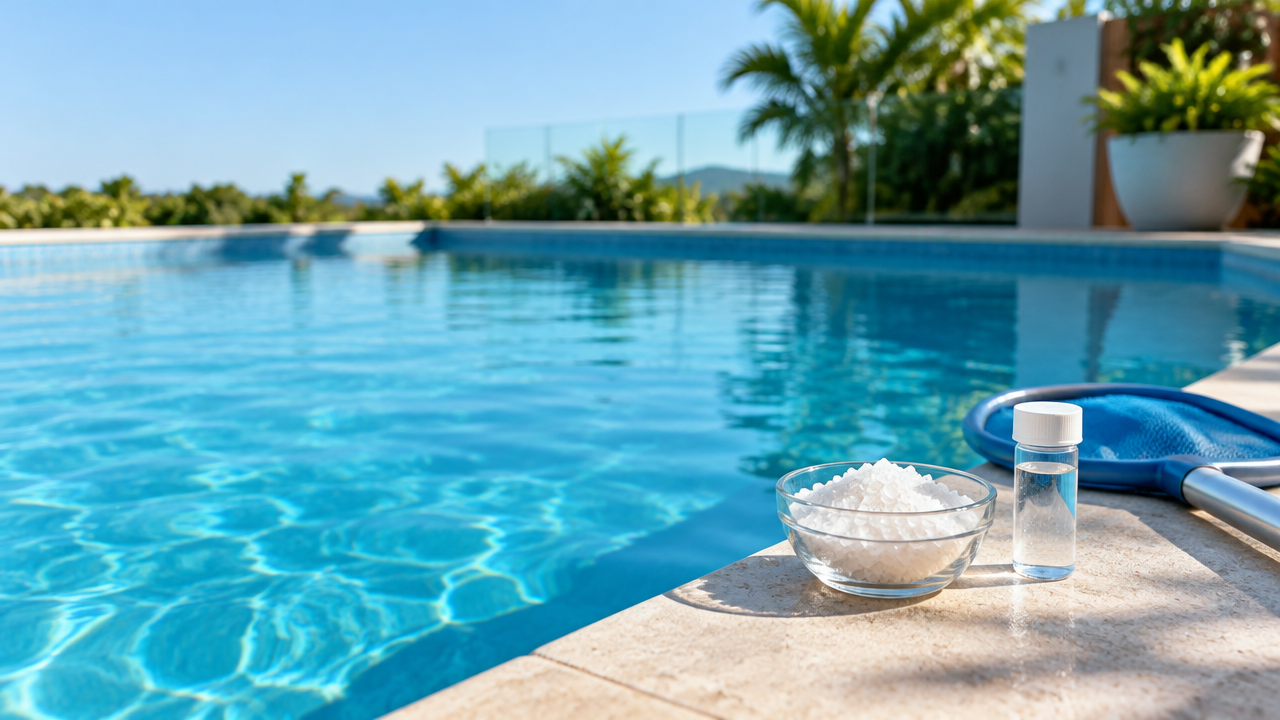
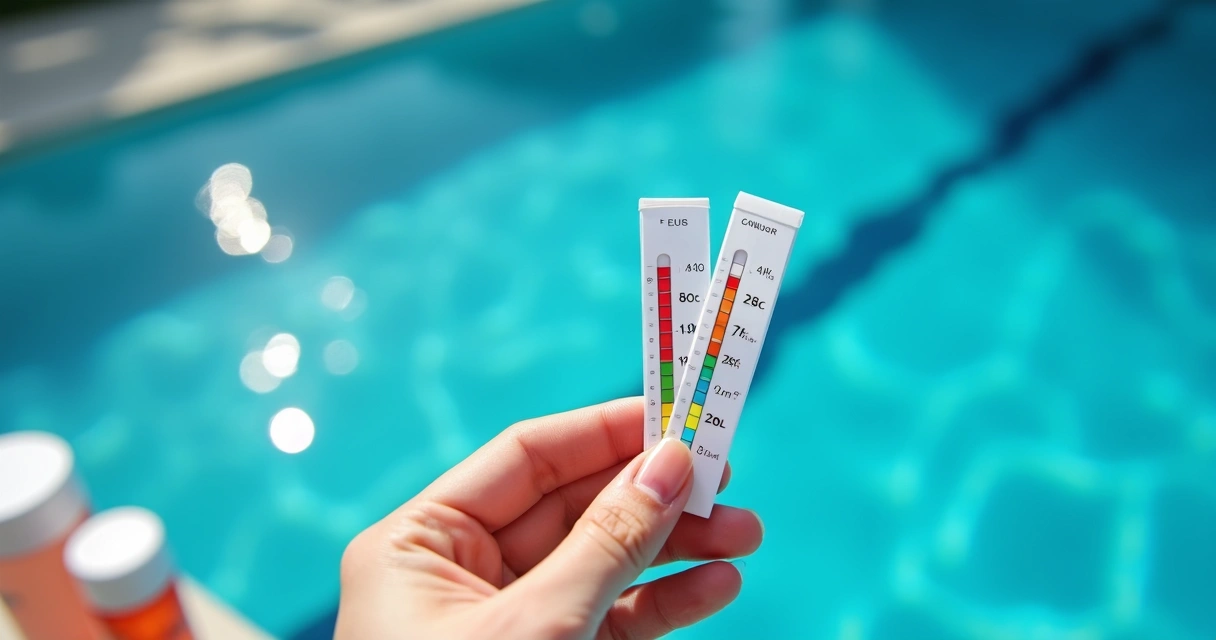
- Test first, always. Use a reliable water testing kit before adding anything.
- Adjust for seasons: Hot weather, heavy swimming, or rainstorms can all mean you’ll need more chlorine.
- Read bottle instructions and follow them—the right amount is always specific to your product’s concentration.
The weather, number of swimmers, and water temperature all affect how much chlorine your pool needs.
Honestly, no one can tell you an exact “magic number” without knowing your pool’s unique details. That’s one of the main reasons I use MyPoolMate with my clients—it lets us create a pool profile and gives tailored advice based on the most up-to-date test results, not just general ideas. For more details on pool chemistry specifics, check out the pool chemistry guides.
Pool Inspections VIC: Beyond the basics
People sometimes ask me, “How can I make sure my pool is safe, from top to bottom?” In Victoria, one trusted answer is Pool Inspections VIC. What sets them apart? It’s not just about chemicals. They look at:
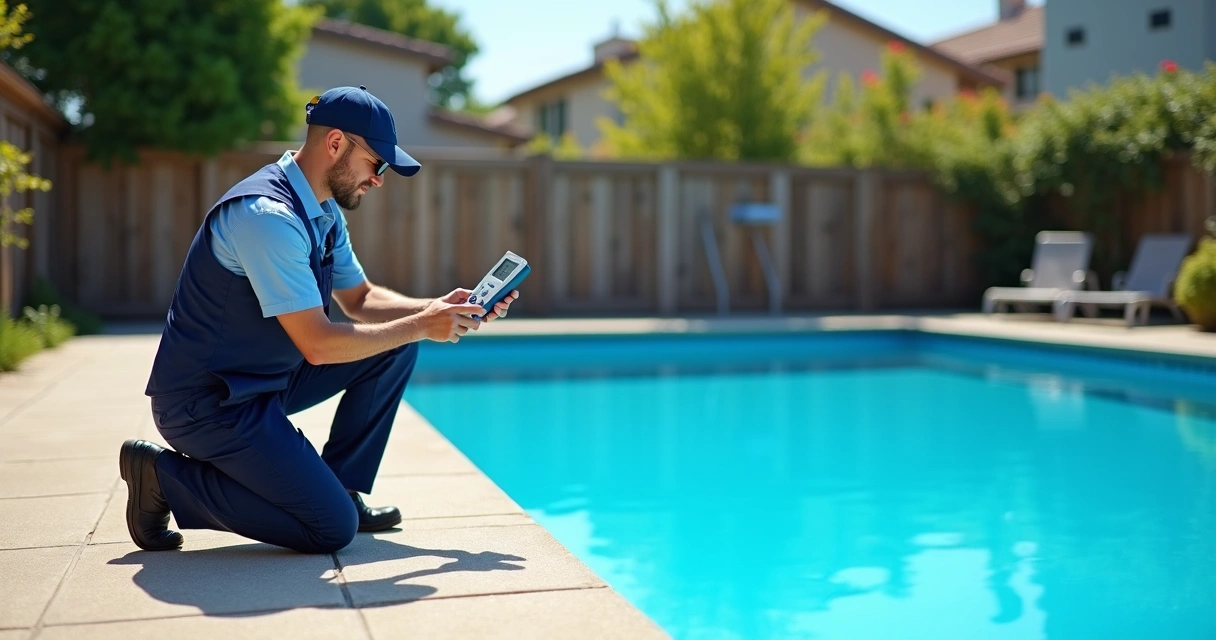
- Water quality: Testing for chlorine, pH, and other safety factors with advanced, up-to-date digital meters—not just guesswork or simple dip tests.
- Pool structure: Checking for cracks, leaks, and unsafe fencing based on the latest laws.
- Individual pool needs: Reviewing location, size, how often you swim, sun exposure, even what kind of sanitizer you’re using—before they ever recommend a fix.
- Personalized care instructions: They help owners understand why chemistry matters and what the risks look like if things go wrong.
Every pool is unique, and so are their recommendations. I’ve seen their process up close, and they never use one-size-fits-all advice. Each pool gets attention, and each owner gets simple, honest explanations and photos in their detailed reports.
Tailoring chlorine advice to the Victorian climate
Victoria’s weather throws more curveballs than you’d think. Cool winters, hot summers, and sudden storms make dosing tricky. In my work with Pool Inspections VIC, I’ve learned:
- High heat burns off chlorine quickly—dose higher during hot spells.
- More swimmers mean more organic material (like sweat or sunscreen), which uses up chlorine fast.
- After rain, or after topping up the pool, levels drop—so retest and adjust right away.
- Shade and pool covers help slow chlorine loss, saving money on chemicals.
In Victoria, your pool’s needs can shift with every weather change.
I always tell owners that using a pool chemical calculator is the fastest way to get a rough dose, but it doesn’t replace professional testing and advice tailored to your pool. That’s where Pool Inspections VIC’s hands-on approach really pays off.
What happens during a pool inspection?
I find that many people feel nervous before booking their first inspection. They imagine long delays or confusing feedback—but working with Pool Inspections VIC is always straightforward. Here’s what I usually see:
- Simple booking online or by phone, with help if you have questions about what comes next.
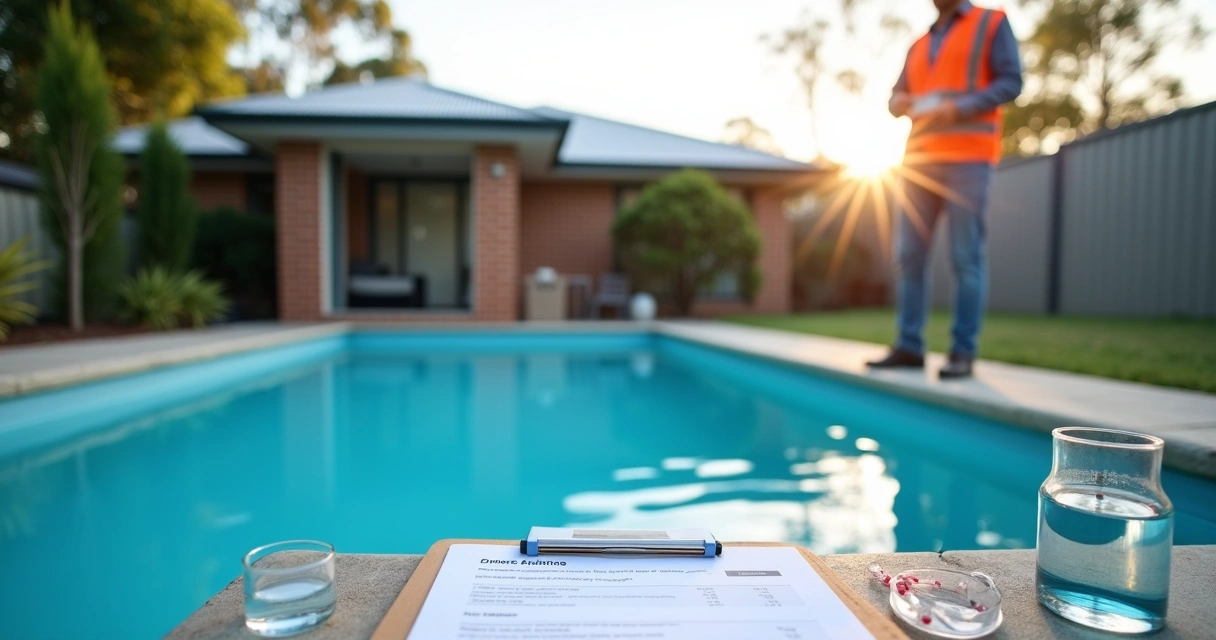
- An inspector arrives on time, with all their digital testing gear ready.
- They check your chlorine levels, water clarity, safety barriers, and the structure—leaving nothing to chance.
- Within a short time, you get a full report with photos and clear steps on what to improve.
There are cost-saving packages available for different budgets. The transparent, upfront pricing means no nasty surprises. I personally like that there are options for both new pool owners and those with years of swimming under their belt.
Teaching why chlorine matters
No pool owner should be in the dark when it comes to care. Pool Inspections VIC always takes time to show people what proper levels look like, how to test at home, and what could happen if things are off—even just a little. From seeing their approach up close, I know they want to help people avoid:
- Irritated skin or eyes from too much chlorine
- Unsafe water from too little
- The dangers of letting algae or bacteria get a foothold
- Wasting money on unnecessary chemicals
And if you’re curious about how pool filtration and chlorinator types affect care routines, the article on pool chlorinators is a good place to start.
Why I recommend Pool Inspections VIC
In my experience, their strength is in respectful, personalized advice. Here’s what stood out to me:
- All inspectors know Victoria’s pool safety laws inside and out.
- Inspections are thorough—nothing rushed, no half-steps.
- Reports are clear and include step-by-step solutions, with no jargon.
- Clear pricing—so you only pay for what you need.
- Real people, always willing to answer questions or explain in better detail.
If you want specifics on different sanitizer systems, the article comparing magnesium and chlorine pools for Australian homes is especially useful.
Conclusion: Pool safety and clarity for your family
Having a clear, safe pool isn’t about luck. It’s about the right advice, careful checks, and regular care—especially with how unpredictable the weather can be in Victoria. I’ve seen the difference it makes when owners have real, understandable information about chlorine and pool safety delivered by an experienced team.
If you want reassurance every season, registering your pool and booking an inspection with Pool Inspections VIC just makes sense. You’ll get peace of mind, a safer pool, and clear, practical steps for care—so you can spend more time enjoying your pool rather than worrying about it.
And if you’d like to make pool care easier, smarter, and more personal, try building your pool profile on MyPoolMate. It’s designed to keep every Victorian pool owner swimming safely and confidently, season after season.
Frequently asked questions
How much chlorine does my pool need?
For a typical 50,000-litre pool in Victoria, start with 1 to 2 litres of liquid chlorine at 12–15% strength—but always test before dosing, since heat, usage, and rainfall can change the amount needed. The best approach is to use a test kit, add chlorine as recommended, and check levels often during summer.
What type of chlorine is best?
Liquid chlorine is the most common for backyard pools, but there are also granular and tablet forms. Each has pros and cons: liquid acts fast, tablets offer slow release, and granular suits shock treatments. Always follow manufacturer directions and consider your pool’s setup and your routine.
How often should I add chlorine?
Most pools in Victoria benefit from daily or every-other-day checks in hot weather, and weekly doses in cooler months. Heavy use or rain may require extra chlorine. If you use a chlorinator, monitor the salt or mineral levels so the system can produce enough sanitizer.
Can I use liquid or tablet chlorine?
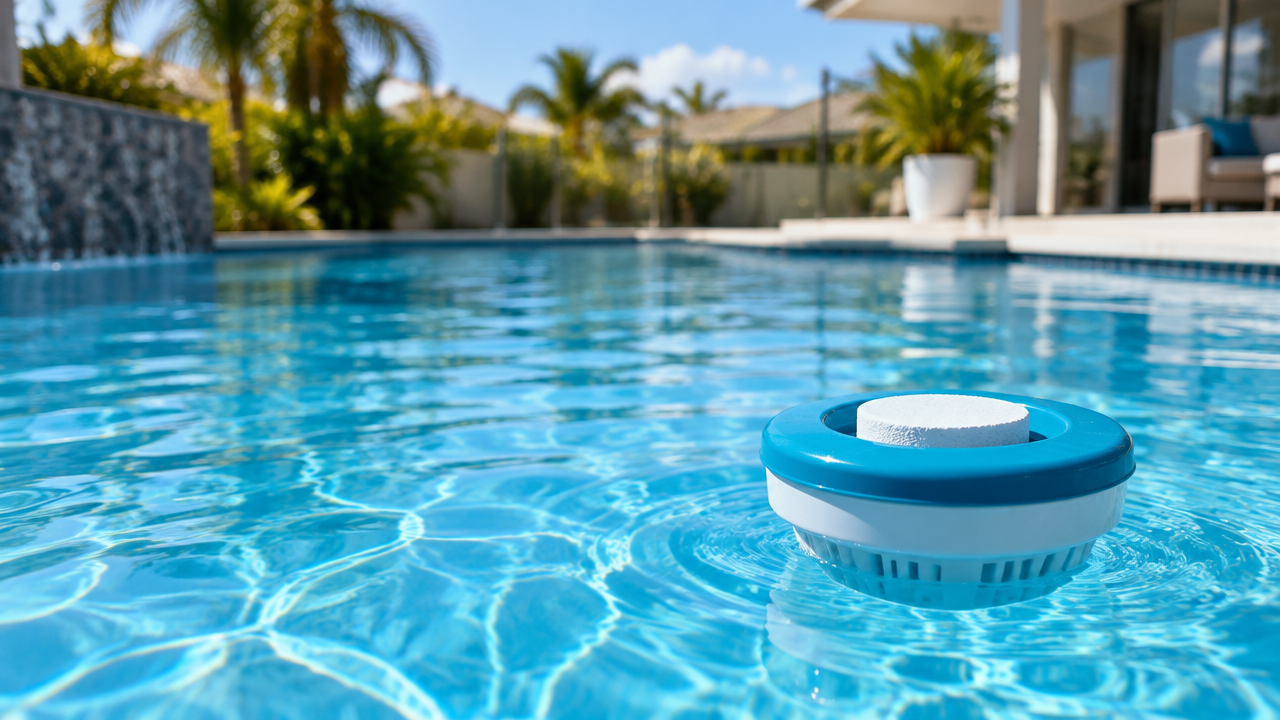
Both are suitable for home pools in Victoria. Liquid chlorine is fast-acting and easy to dose. Tablets work well in floating dispensers or skimmers, providing slow, steady release. Choose based on your maintenance habits and pool type. Granular is another option, especially for 'shocking' the pool after problems.
What affects chlorine levels in Victoria?
Factors include sunlight, water temperature, rainfall, swimmer load, pool size, and the presence of leaves or organic debris. High UV destroys chlorine faster, so covered pools lose less. Make adjustments after storms, heatwaves, or heavy use. It’s always a good idea to review detailed tips at key times, as in these pool care guides.