

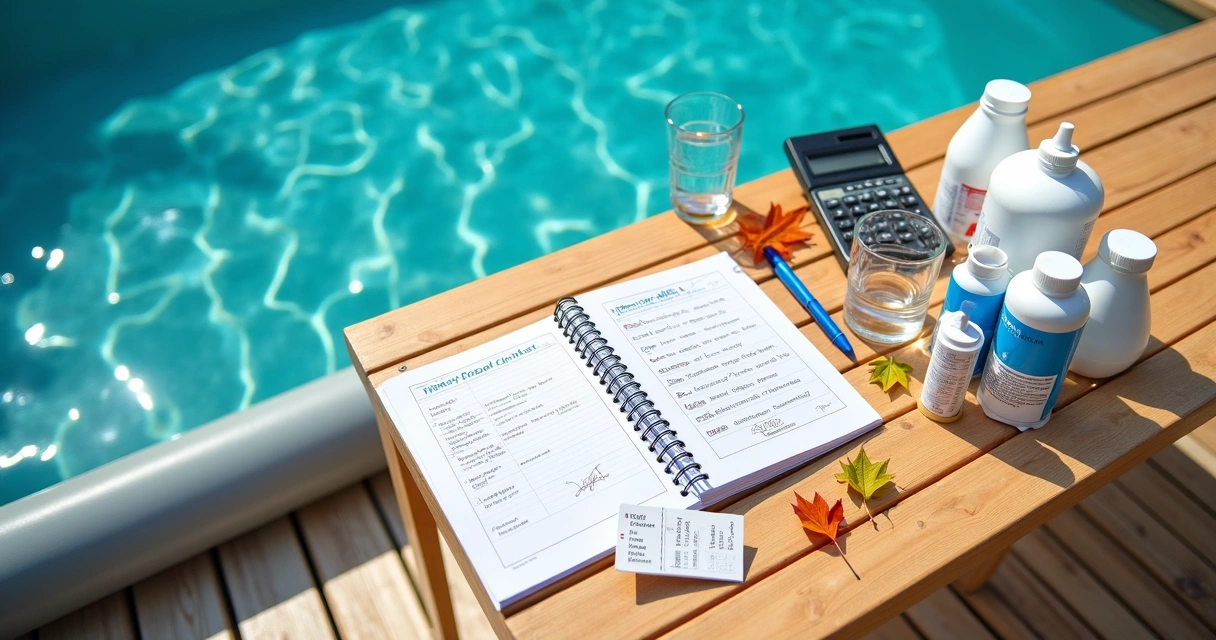
I have seen many pool owners spend far more than they need to. The usual pattern is simple. The water goes cloudy, they buy a bag of this, a bottle of that, and hope for the best. A week later, the problem is still there. The budget is not.
If you want to know how to save money on pool chemicals, I think the real answer is not buying the cheapest tub on the shelf. It is making better decisions, testing well, dosing with care, and stopping small issues before they grow. That is also why tools like MyPoolMate make sense to me. They help pool owners treat the cause, not just the symptom.
Less guesswork. Lower chemical spend.
1. Test accurately before adding anything
The fastest way to waste money is to add chemicals without reliable numbers. I have seen people shock a pool for low chlorine when the real issue was high stabiliser, poor circulation, or pH drift. That mistake costs money twice. First in the extra product, then in fixing the side effects.
Accurate water testing stops chemical overuse because each dose is based on what the pool actually needs.
Good testing should cover at least free chlorine, pH, total alkalinity, calcium hardness, and stabiliser if you use chlorine outdoors. If you use printed shop results, scanning and storing them in MyPoolMate can help you keep everything in one place and spot patterns over time.
For readers who want a better grounding in the numbers, I like the pool chemistry guides collected in these pool chemistry resources. They help make the basics much less confusing.
2. Dose for your real pool volume, not a rough guess
I think this is one of the most common money leaks. Many owners do not know their exact pool volume, especially if the shape is irregular or the depth changes. So they eyeball it. Then they eyeball the chemical amount too. That can become expensive very quickly.
Eyeballing chemical amounts often leads to overdosing, and overdosing creates new water balance problems that cost even more to correct.
Measure properly, use your actual water volume, and follow dosing instructions with care. If you want help with metric dosing, I suggest using this pool chemical calculator for metric dosing as a practical reference.
I learned long ago that a small measuring jug and five extra minutes can save a surprising amount over a whole season.
3. Track history so you can spot trends early
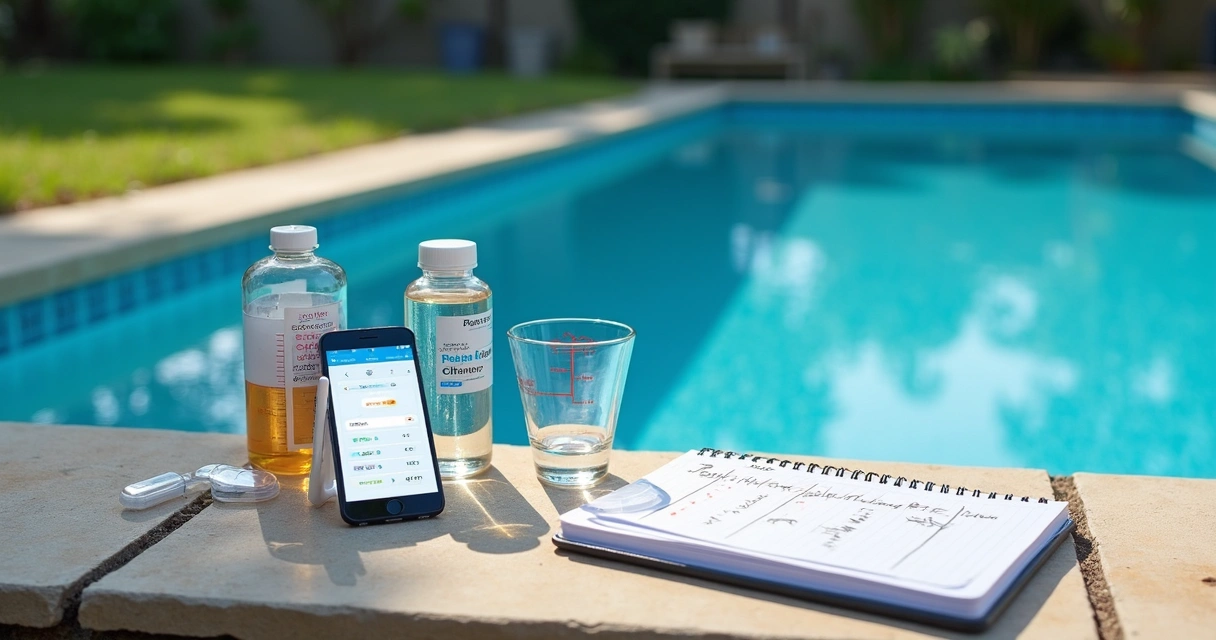
Single test results matter, but test history is where the savings really show up. When you track results over weeks and months, you start to notice repeat problems. Maybe pH rises every hot week. Maybe chlorine demand jumps after windy days. Maybe alkalinity drops after heavy rain.
When I can see those patterns, I stop reacting late. I start adjusting early.
- It helps predict when chlorine demand will rise.
- It shows whether one parameter keeps drifting.
- It reduces random chemical purchases.
- It makes seasonal planning much easier.
MyPoolMate was built around this idea. Keeping a test history, charts, and pool-specific targets makes it easier to avoid generic treatment habits that often lead to overspending.
4. Adjust your targets by season and water temperature
Many people treat the pool the same way all year. I do not. Water temperature changes chlorine demand, algae risk, and how fast conditions shift. In summer, the sun and heat push harder. In winter, the pool may need less product but still needs balance.
Seasonal target ranges can cut waste because your pool does not need the same treatment in January as it does in July.
This is where a fixed routine can fail. In my experience, a summer plan should not be copied into cooler months without thought. If your app or records let you switch between summer, winter, and custom targets, that is even better. MyPoolMate does this well because it keeps the recommendations tied to your pool and current conditions.
5. Clean the pool more often to lower chemical demand
Dirt, leaves, sunscreen residue, and fine organic debris all consume sanitizer. If I stay on top of physical cleaning, I usually need fewer corrective treatments later. This is not glamorous. It is just good economics.
My regular routine includes:
- Brushing walls and steps
- Skimming leaves and insects
- Emptying baskets
- Vacuuming settled debris
- Cleaning the waterline before grime builds up
Organic load matters more than many people think. If you want to understand another way to reduce that load, I find this explanation of enzyme pool care for organic debris and water issues useful.
I also suggest reading this piece on whether you need all the chemicals often recommended. In many cases, better maintenance cuts the need for extra add-ons.
6. Compare chlorine and saltwater with a long view
I get asked this a lot. Is saltwater cheaper? Sometimes yes, sometimes no. It depends on your pool, local power costs, cell replacement timing, and how disciplined you are with testing.
Traditional chlorine pools often cost less to start. The setup is simpler, and you buy chlorine as needed. Saltwater pools usually cost more upfront because of the chlorinator system, but they can lower ongoing manual chemical handling and produce chlorine steadily.
Here is how I think about it:
- Traditional chlorine can be cheaper at first.
- Saltwater can smooth out chlorine supply over time.
- Salt systems still need balance, acid, and equipment care.
- Neglected salt cells can become an unexpected expense.
I would not call one universally cheaper. I would call one a better fit depending on your habits. If you are consistent with checks and maintenance, both can be cost-effective. If you are not, both can become expensive in different ways.
7. Use a pool cover and better pump settings
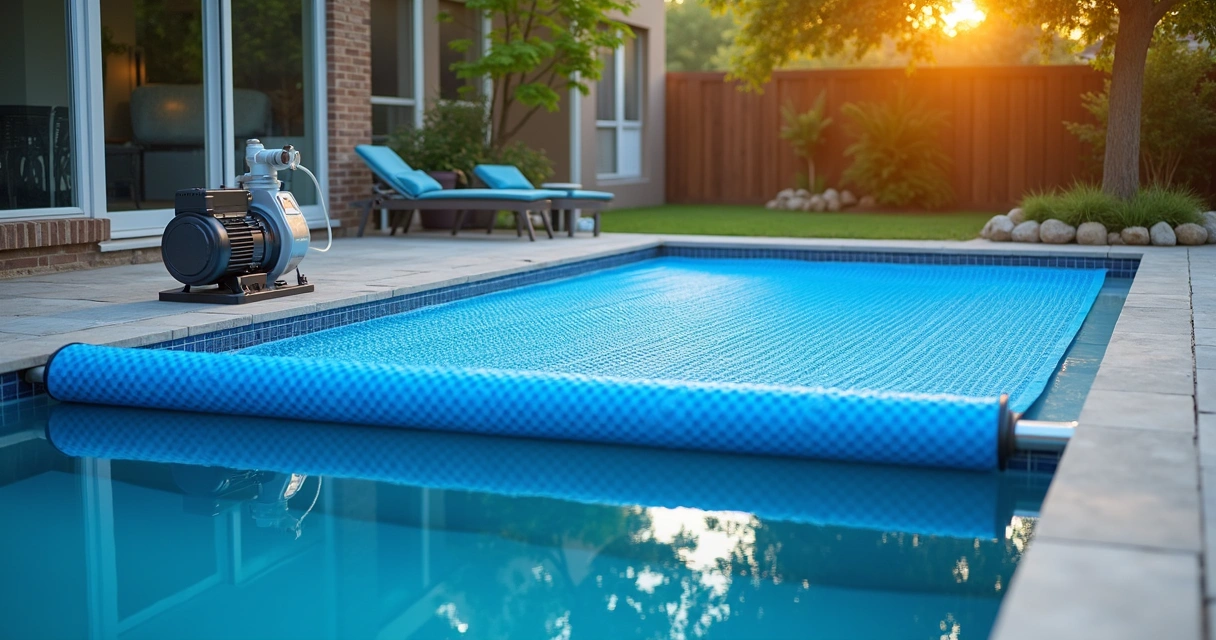
This is one of the clearest savings moves I know. Evaporation takes water away, and with it goes heat and some of the stability that helps your chemistry stay put. According to guidance showing that pool covers can reduce evaporation by up to about 95%, a solid or bubble cover can make a major difference.
A pool cover helps save money not only on water and heating, but also by reducing chemical loss tied to evaporation and sun exposure.
A variable speed pump helps too. Running it at lower speeds for longer periods often gives steadier circulation with lower energy use than short high-speed bursts. Better circulation means chemicals mix properly, dead spots are reduced, and you are less likely to throw in extra product because one corner of the pool turned dull.
8. Automate the routine where it makes sense
I used to think automation was only about convenience. I now think it is also about cost control. Timers, smart chlorination schedules, and consistent reminders can stop the kind of neglect that leads to expensive recovery treatments.
Automation saves money when it keeps pool care consistent and prevents the big chemical corrections caused by missed maintenance.
Even simple automation helps:
- Pump schedules that match season and use
- Regular reminders for testing and cleaning
- Controlled chlorination output
- Task lists that update when pool conditions change
This is another area where MyPoolMate has a practical role. I like systems that connect water results with smart task management because they reduce the chance of doing too much, too little, or the wrong thing at the wrong time.
9. Check equipment and do small DIY fixes early
Sometimes high chemical use is really an equipment problem. A weak pump, dirty filter, blocked basket, failing chlorinator cell, or hidden leak can all push chemical demand up. I have seen owners blame chlorine when the pool simply was not circulating well.
Set a simple inspection habit. Look at pressure readings. Check for air in the pump basket. Watch for scale on salt cells. Backwash or clean filters when needed. If a basic maintenance task is safe and within your skill level, doing it yourself can prevent bigger service costs later.
For a wider look at where pool money goes, including maintenance and running costs, I recommend this breakdown of pool maintenance costs in Australia and smart savings.
Conclusion
I think saving money on pool chemicals comes down to being precise, steady, and a little more curious than reactive. Test accurately. Dose by real volume. Track your chemistry history. Adjust for season and temperature. Keep the pool clean. Choose equipment settings that support stable water. Check your system before blaming the water.
That approach has saved many pool owners from buying products they did not really need. If you want a simpler way to manage all of that in one place, I suggest getting to know MyPoolMate and seeing how its pool profiles, test tracking, AI recommendations, and task planning can help you spend less while keeping your water in better shape.
Frequently asked questions
What are the cheapest pool chemicals?
The cheapest option is not always the lowest shelf price. In my experience, the best value usually comes from buying only what your test results show you need. Common basics like liquid chlorine, acid, and baking-soda-type alkalinity raisers can be cost-friendly, but only when used in the right amount. A cheap product becomes expensive if it is the wrong fix.
How can I use less pool chlorine?
I use less chlorine when I reduce what consumes it. That means brushing, skimming, vacuuming, keeping pH in range, improving circulation, and using a pool cover. Sun, heat, and organic debris all raise chlorine demand. Good testing and seasonal adjustments also help you avoid unnecessary shock treatments.
Is it safe to buy generic pool chemicals?
Yes, it can be safe if the active ingredient, concentration, and usage instructions match your pool needs. I always check the label, confirm compatibility with my pool surface and system, and dose carefully. The real risk is not the word generic. It is buying without checking strength, purity, or correct application.
Where to find pool chemical discounts?
I usually suggest looking for seasonal promotions, larger pack sizes you can store safely, and off-peak buying before summer demand rises. But I would not chase discounts without a plan. The biggest saving often comes from buying less overall through better testing, better records, and avoiding duplicate products that solve the same problem.
What are alternatives to expensive pool treatments?
In many cases, the alternative is not a replacement chemical but better pool care. Accurate testing, proper dosing, routine cleaning, enzyme support for organic waste, a pool cover, and stable pump schedules can reduce the need for expensive corrective treatments. I have found that preventing algae, scale, and cloudy water is far cheaper than trying to recover from them later.


