
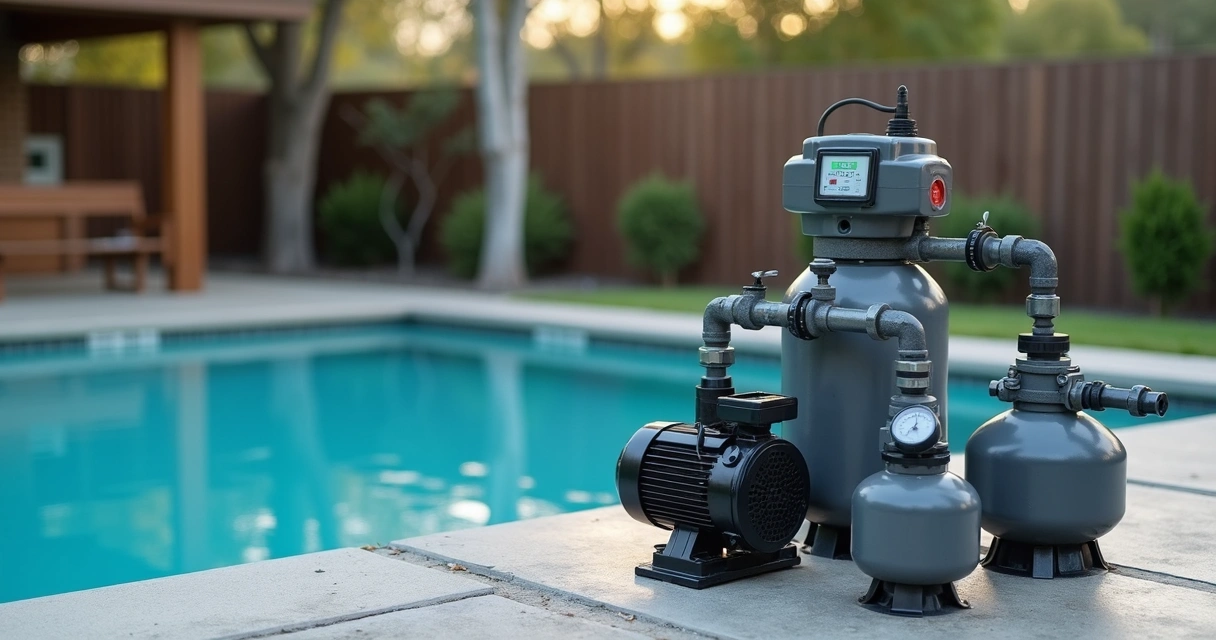
Picking the right pool pump can make pool ownership easy or a headache. I have seen the wrong size pump lead to cloudy water, poor circulation, and power bills that feel far too high. There is no single answer for every pool, because pump needs change with pool size, filter type, plumbing layout, water features, and gear like chlorinators. A small pump can leave dead spots in the water. A large pump can waste electricity and push too much water too fast.
That last point matters more than many people think. Sand filters work best with slower, controlled flow. If water rushes through too fast, it can cause channelling, where water cuts paths through the sand and avoids proper filtration. Cartridge filters are more flexible and can handle varied flow rates better, which is one reason variable speed pumps often pair so well with them. When I review pool setups in tools like MyPoolMate, this pump and filter match is often where the real answer starts.
What I look at before choosing a pump
I never choose a pool pump by horsepower alone. That shortcut causes trouble. I look at the whole system first, because the pump has to work with everything around it.
The main things I check are:
- Pool volume in litres
- Filter type, usually sand or cartridge
- Pipe size and plumbing length
- Extra equipment such as chlorinators, heaters, or cleaners
- Water features like spas, jets, or waterfalls
- How often the pool is used and how much debris it gets
The right pool pump is not just about power, but about matching flow to the filter and plumbing.
I once saw a pool owner replace a failed pump with a larger one because it looked like an upgrade. The water moved hard, the sand filter struggled, and the pool still looked dull. It felt wrong because it was wrong. Bigger is not always better.
Sand filters and cartridge filters need different thinking
Sand filters and cartridge filters do not behave the same way. That changes pump choice.
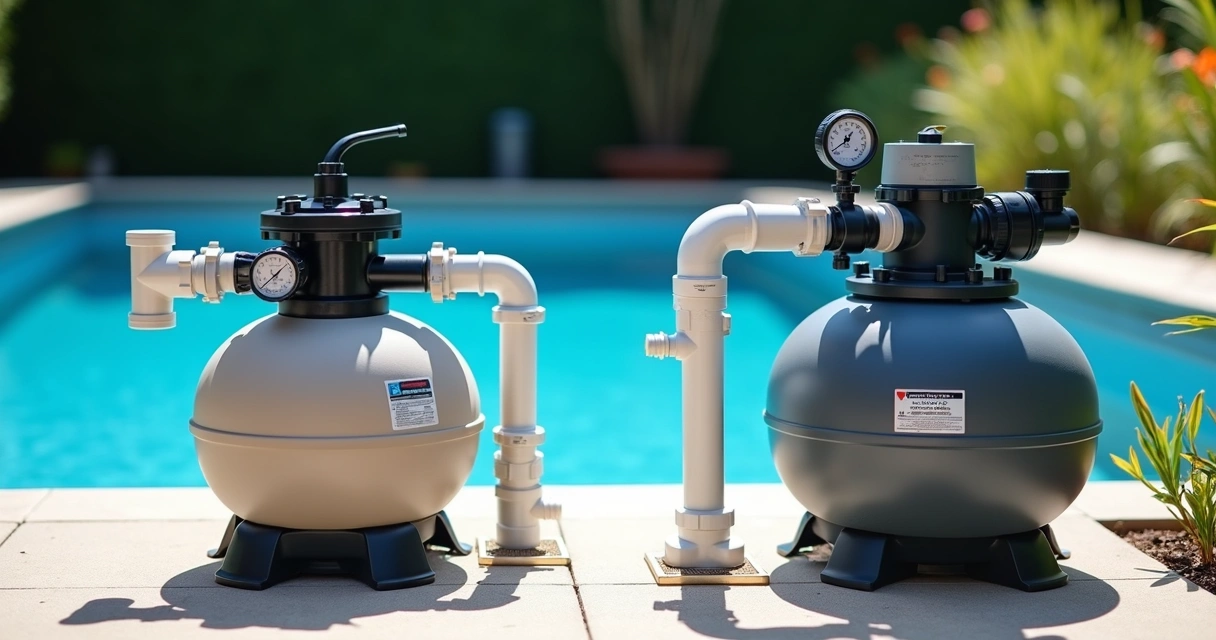
With sand filters, I pay very close attention to flow rate. If the pump is too strong, filtration quality can drop because of channelling. The water may pass through the filter, but not in a useful way. This is why matching a sand filter pump is more serious than many owners expect.
Cartridge filters are more forgiving. They can usually work well across a wider range of flow rates, and they often pair nicely with variable speed pumps. They also use less water for cleaning, which many homeowners like, especially where water use matters.
Fast flow is not always clean flow.
An oversized pump can harm filtration, especially when paired with a sand filter.
Variable speed or single speed?
For most Australian pools, I think variable speed pumps are usually the better choice. They can be adjusted to suit the pool’s daily needs. That means low speed for normal filtration, then higher speed only when needed for vacuuming, backwashing, or running water features.
Single speed pumps still have a place. They can suit smaller or older pools, and the upfront price is lower. But they run at full power all the time, even when the pool does not need it. Over time, that usually means higher running costs and more noise.
Here is how I compare them:
- Variable speed pumps are quieter
- Variable speed pumps use less energy over time
- Variable speed pumps give better control over filtration
- Single speed pumps cost less to buy at first
- Single speed pumps are often louder and dearer to run long-term
- Single speed pumps may suit budget replacements in simple setups
Variable speed pumps usually save more money over time, even if they cost more upfront.
If you track test results and seasonal changes through MyPoolMate, it becomes easier to see when lower daily flow is enough and when the pool needs more circulation.
How I match pump choice to pool type
I like to keep this part simple, because most owners just want a clear starting point.
- Small plunge pools often suit compact pumps or small variable speed pumps
- Medium family pools usually suit variable speed pumps
- Large pools may need higher-capacity pumps, but still matched to the filter
- Pools with spas, fountains, or waterfalls often need higher flow for those features
- Cartridge filter pools often work very well with variable speed pumps
- Sand filter pools need carefully matched pumps to keep flow controlled
That list is only a guide. The ideal pump size still depends on the full setup, especially filter size and plumbing design.
How I cut running costs
Running costs matter just as much as purchase price. I think many pool owners focus too much on what the pump costs today and not enough on what it will cost every month.
To keep costs lower, I suggest:
- Upgrade to a variable speed pump if the budget allows
- Keep the filter clean so the pump does not work harder than it should
- Make sure the pump and filter are properly matched
- Run lower speeds for everyday filtration where possible
- Maintain the filter on schedule to avoid pressure build-up
If your pump loses prime or struggles to start properly, I also suggest reading this step-by-step guide to priming a pool pump. I have found that basic pump issues are sometimes mistaken for sizing problems.
For broader care routines, I often point people toward pool maintenance articles, because pump choice works best when it sits inside a good maintenance plan.
Brands and local support
When comparing available pump options in Australia, many homeowners look at brands such as Astral Pool, Zodiac, and Davey. I suggest checking local stock, warranty terms, and service support in your area before buying. If you are in the Illawarra region, it can also help to speak with a local pool professional for sizing advice or servicing.
I also think cost planning helps. If you want a clearer view of long-term ownership costs, this breakdown of pool maintenance costs in Australia gives useful context. And if you live in a warmer state with longer swim seasons, this Queensland pool maintenance guide adds a practical seasonal angle.
My final take
The best pool pump is the one that matches your pool size, filter type, plumbing, and extra equipment. I keep coming back to that because it changes water quality and running costs in a very real way. A pump that is too small can leave water dull and poorly mixed. A pump that is too powerful can waste money and reduce filtration quality, especially with sand filters.
If you want a simple way to make better pump and maintenance choices over time, I suggest looking at how your pool data fits together. MyPoolMate was built for exactly that kind of clear, pool-specific support, and this guide to pool management tools can help you get started with a smarter approach.
Frequently asked questions
What is a pool pump for?
A pool pump moves water through the pool system so it can pass through the filter and other equipment like chlorinators or heaters. The pump is what keeps water circulating, which helps with cleaning, sanitation, and even chemical mixing.
How to choose the right pool pump?
I choose a pump by looking at the full setup, not just the pool size. That includes the filter type, pipework, chlorinator, water features, and how much flow the system can handle. For most homes, a variable speed pump is the better long-term choice because it gives more control and lower running costs.
What size pool pump do I need?
The right size depends on several factors, including pool volume, filter size, plumbing design, and extra equipment. There is no one-size answer. The ideal pool pump size depends on the whole system, especially the filter and plumbing layout.
Is it worth it to get a variable speed pump?
In most cases, yes. Variable speed pumps are quieter, use less energy, and let you run lower speeds for daily filtration. They cost more at first, but I think they are often worth it because they lower power bills over time and give better control.
Where to buy pool pumps in Australia?
You can buy pool pumps through local pool equipment suppliers, service businesses, and authorised dealers across Australia. I suggest choosing a seller that can help confirm pump and filter matching, warranty support, and servicing options in your area, especially if you want help with installation or setup.