

In my experience, many Australian pool owners do not have a chemical problem. They have a diagnosis problem. I have seen pools treated with too many products, yet the water still turned cloudy a week later. That is why I think a simple guide matters, especially when people are trying to make sense of pool chemicals in Australia without wasting money.
The right pool treatment starts with knowing your water, not copying a generic shopping list.
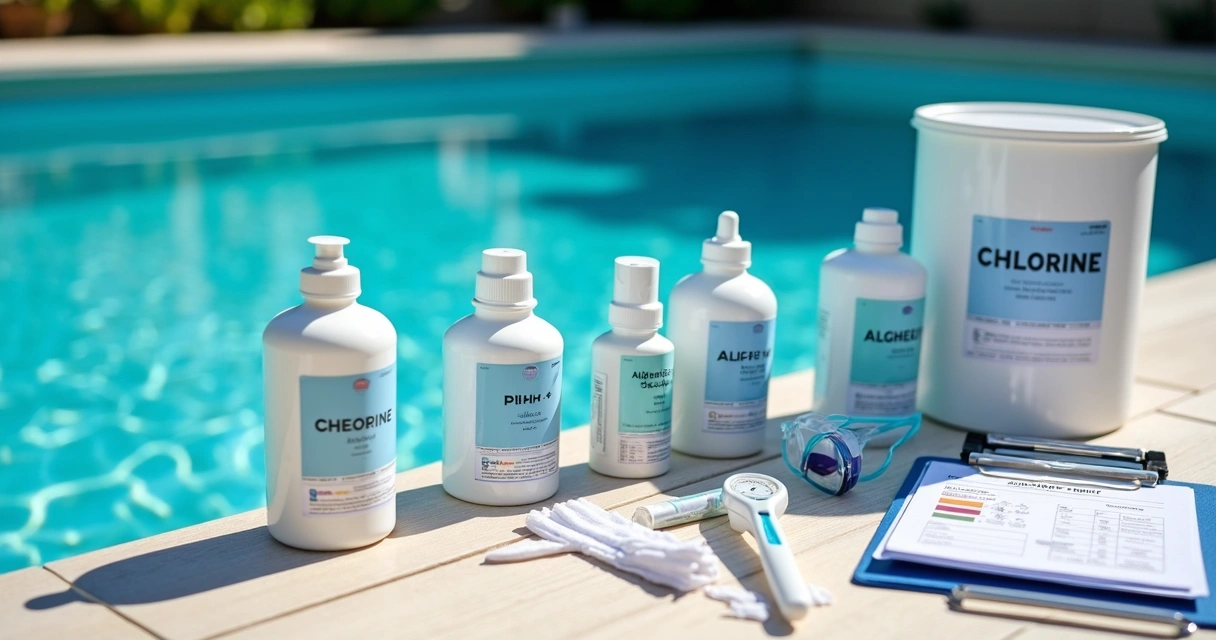
For most home pools, I focus on four main chemical groups. Chlorine sanitises the water and kills bacteria. pH balancers move water up or down so chlorine can work well. Algaecides help prevent or support treatment of algae. Calcium hardness increasers raise calcium levels to protect surfaces and equipment, especially in plaster or concrete pools.
When these are balanced, common problems are far less likely:
Algae growth after hot, sunny days
Cloudy water from poor sanitizer performance
Staining or etching on pool surfaces
Eye irritation and harsh chemical smell
Australian conditions make this more challenging. Strong sun burns through chlorine faster, and heat changes demand. Guidance in Western Australia pool and spa health advice points to pH between 7.2 and 7.8, with higher chlorine needs for outdoor and warmer pools. I think that alone shows why one-size-fits-all advice falls short.
What each chemical does
Chlorine is the main sanitiser in most backyard pools. If free chlorine drops too low, the water can look fine at first, then change fast. I have seen that happen after a few hot days and heavy swimming. In stabilised outdoor pools, local guidance on chlorine and stabiliser targets suggests keeping cyanuric acid around 30 to 50 ppm, which helps protect chlorine from sunlight.
PH balancers come in two directions. You add acid to lower pH, or an alkali product to raise it. If pH is too high, chlorine becomes less active. If pH is too low, water can become aggressive and damage surfaces. For owners trying to understand this better, I like the way MyPoolMate supports root-cause thinking, and I also suggest reading practical advice on controlling pool alkalinity because alkalinity affects how stable pH stays.
Algaecides are not a substitute for chlorine. I want to be clear on that. They are support products, often useful for prevention or during recovery, but low chlorine and poor balance are usually the real cause.
Calcium hardness helps stop water from pulling minerals from surfaces and can reduce damage in some pool finishes.
How I would test and dose
I prefer a simple routine. The Victorian guidance on daily pool water checks advises testing pH and chlorine daily, ideally before the first swim. That may sound frequent, but in summer it makes sense.
My basic process is this:
Test free chlorine and pH first.
Check total alkalinity and stabiliser weekly.
Review calcium hardness each month, or sooner if topping up often.
Calculate dosage based on actual pool volume, not guesswork.
Add one product at a time and allow circulation before retesting.
Volume matters more than many people think. A small dosing error in a plunge pool can be a large one. For that reason, I would use tools that match metric dosing to your pool details, such as this pool chemical calculator for metric dosing. MyPoolMate fits well here too, because it stores pool type, surface, sanitizer method, and test history before giving suggestions.
Buying, storing, and planning
I try not to buy chemicals just because they are bundled together. Some pools need less than people are told. If you want a good example of that thinking, this article on whether you need every recommended chemical is worth a look.
When buying products, I check:
Expiry or manufacturing dates
Clear label instructions for dosage
Compatibility with salt, mineral, or chlorine pools
Pack size that suits my storage space and usage rate
For storage, I keep chemicals sealed, upright, dry, and out of direct sun. I never mix products together, and I use gloves and eye protection when handling acids or stronger oxidisers.
Seasonality changes everything in Australia. The Northern Territory note on pool evaporation in summer mentions losses that can reach around 300 litres a day. When fresh water is added often, chemistry shifts. That is one reason I like scheduled tracking and photo records, which MyPoolMate includes.
Good water is planned, not guessed.
If you want to control costs as well as water quality, this breakdown of pool maintenance costs in Australia helps put routine spending into perspective, and the broader pool chemistry articles can build your confidence over time.
My view is simple. Learn what each product does, test before dosing, and adjust for your own pool. If you want a more personal and less wasteful way to manage your water, get to know MyPoolMate and see how AI-guided pool care can help you treat the real problem instead of adding chemicals blindly.
Frequently asked questions
What pool chemicals do I need in Australia?
Most residential pools need chlorine, pH increaser or reducer, and regular checks on alkalinity, stabiliser, and calcium hardness. Some owners also use algaecide as a support product. The exact mix depends on pool volume, surface, sun exposure, and sanitising system.
How often should I add pool chemicals?
I think testing should guide dosing. In warm months, chlorine and pH often need checking daily or several times a week. Alkalinity, stabiliser, and calcium hardness can usually be checked less often, but heavy rain, heat, and top-ups can change that.
Where can I buy pool chemicals locally?
You can buy them from local pool supply outlets, hardware retailers, and some larger home and garden stores. I would choose places that provide clear labels, fresh stock, and product details that match your pool type.
How much do pool chemicals cost in Australia?
Costs vary by pool size, climate, and treatment method. A smaller well-balanced pool usually costs less over time than a larger pool that is corrected after problems appear. Tracking test history and only buying what your water needs can reduce waste.
Are Australian pool chemicals safe for kids?
Yes, when they are stored safely and used at proper levels. Balanced water is safer and more comfortable for swimmers, including children. I would always keep products locked away, follow label directions, and retest before swimming after any chemical adjustment.


