
I still remember the first time I had to decide between managing my own pool care and accepting the advice I got from the local pool shop. It felt like a choice between jumping into the deep end or letting someone else handle the swim. After helping dozens of pool owners over the years, I know this decision is never as simple as it looks. So in this article, I want to share my perspective and what I've learned about comparing professional pool maintenance with the do-it-yourself route, including the tools and technology that can help make either path smoother.
Main tasks in pool maintenance
Before choosing how you want to care for your pool, it's helpful to list the common responsibilities involved. Whether you hire a professional or choose the DIY route, several core duties remain the same:
- Testing the water for balance and sanitizer levels
- Adjusting chemical levels as needed
- Cleaning the pool’s surfaces, skimmer baskets, and vacuuming debris
- Monitoring and maintaining the filtration and circulation equipment
- Managing seasonal tasks like winterizing or preparing for summer
Each of these steps carries its own difficulties and rewards. Some pool owners find satisfaction in seeing clear results from their own work, while others mostly want a problem-free backyard retreat.
Cost comparison: Professional services versus DIY care
Let’s talk about the elephant in the room—money. In my experience, cost is the main factor for most pool owners weighing professional help against a hands-on approach. Hiring a service means you pay for regular visits, chemical applications, and sometimes even parts or minor repairs. Doing it yourself, you shoulder the responsibility but often save on labor.
The breakdown of pool maintenance costs in Australia shows that paying for professional servicing over a year can easily surpass double the cost versus managing your own supplies and doing the work yourself. This doesn’t even count the markup on chemicals or products frequently recommended during in-person visits.
But there’s a twist. Mistakes with pool chemistry or equipment can be expensive. I’ve seen water damage from improper pH, algae infestations from missed shocks, and burnt-out pumps simply because owners didn’t notice a problem in time. So upfront savings can occasionally turn into costly repairs or recovery plans.
Time, effort, and convenience in pool care
The next big piece is time. DIY means you set aside a chunk of your week to skim, scrub, test, and tweak. Some owners, myself included, find the routine calming and a satisfying way to start a weekend. But on a hot summer day with friends waiting, the time spent on maintenance can suddenly feel like a chore.
Professional help gives you the gift of time. Someone else handles the details while you focus on enjoying the water. If you travel often or have an unpredictable schedule, regular professional visits can keep algae, debris, and imbalanced water at bay even when you’re away.
“Time or money—sometimes you have to choose.”
The role of technical knowledge and water chemistry
This is where things get more personal. I’ve met pool owners who can recite the ideal range for free chlorine, pH, alkalinity, and calcium like a shopping list. Others find the color-coded test strips and endless talk of “ppm” overwhelming.
Understanding pool chemistry is key for both safety and equipment protection. It’s not about memorizing every ratio, but grasping why your sanitizer matters, how pH affects comfort, and how each chemical interacts. Without this knowledge, small mistakes can grow over time. For instance, incorrect water balance can lead to eye irritation, cloudy water, and scale formation inside pipes.
If “chemistry class” never was your favorite, using tools like MyPoolMate can truly change things. This app guides you step-by-step through water testing, recommends personalized adjustments, and even identifies potential problems before they start, all tailored to your own pool’s history and equipment.
What about the risk of mistakes or over-treatment?
I’ve learned, sometimes the hard way, that treating pool maintenance as a “one size fits all” routine leads to waste and unnecessary purchases. Traditionally, many pool shops give broad advice, recommending extra chemicals in the name of water “insurance” rather than direct need. I’ve seen cases where someone was sold a basket of products only to find out weeks later that their pool didn’t require half of it.
Overprescribing chemicals increases costs, raises health risks, and can wear out pool surfaces or filters faster than needed. I always recommend checking if all those suggested chemicals are truly needed before purchasing. A detailed look at this topic is available in an article that discusses if you really need everything the pool shop recommends.
AI-driven platforms like MyPoolMate are reshaping this part of the process, shifting the focus from selling chemicals to finding the root cause of water issues and offering personalized recommendations instead. It’s a safer, data-driven model.
Cleaning routines and equipment checks in practice
Cleaning the pool isn’t just about tossing in a robot and forgetting things for a week. I learned quickly that leaves, sunscreen, hair, pollen, and insects each create unique problems if not managed. Regular cleaning prevents not only cloudy water but also extended strain on your filter and pump system. As a guideline, the U.S. EPA’s WaterSense program recommends regular skimming, using pool covers, and keeping the area free of debris to save water and improve energy efficiency.
When doing it yourself, here are some ways to boost cleaning results:
- Make skimming the surface and brushing walls a habit
- Empty baskets before they overflow
- Backwash or clean filters as suggested in your manual
- Use a pool robot or suction cleaner for vacuuming the floor on a schedule
- Cover the pool when not in use to lower both cleaning needs and evaporation
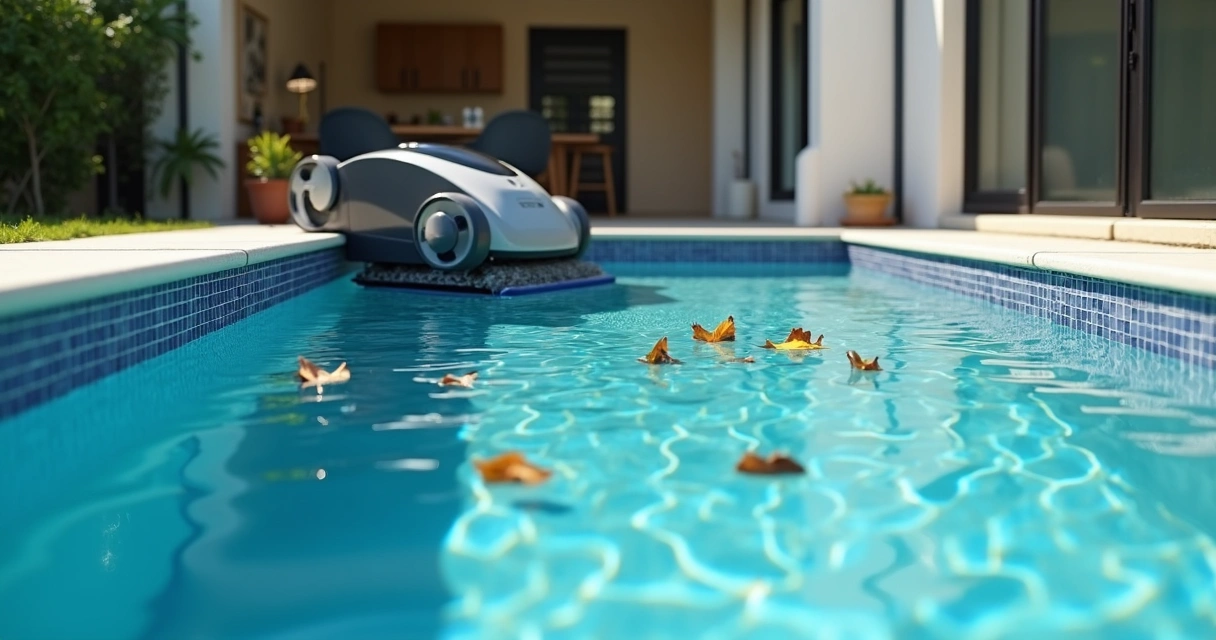
For equipment checks, I suggest setting reminders to inspect the pump, filter, chlorinator, and timers at least monthly. An explanation of chlorinator operation can help avoid costly breakdowns related to salt buildup or missed maintenance.
Which tasks suit DIY, and when is professional help better?
In my view, most routine cleaning and basic chemical adjustments are suitable for anyone willing to learn. Skimming, brushing, and vacuuming with the help of modern tools can be straightforward. Digital test kits and apps like MyPoolMate significantly reduce the learning curve, offering guidance and reminders for every step.
“If you can follow a recipe, you can handle most basic pool tasks.”
That said, some jobs cry out for expert help. These include:
- Restoring a green or algae-filled pool after neglect or storm damage
- Major equipment repairs (pump replacement, leaks, rewiring a system)
- Diagnosing persistent water clarity, odor, or staining problems
- Winterizing pools for extended closure or preparing for heavy seasonal use
Recovery plans during algae blooms, zero chlorine, or hazardous chemical readings need correct, sometimes urgent, action. Platforms like MyPoolMate actually provide detailed recovery protocols and live chat support for these moments, meaning you don’t have to feel alone or panicked when something goes wrong.
Can technology make DIY easier?
The landscape has changed over the last decade thanks to better tech. Automated robotic cleaners now do much of the hard labor, handling surfaces efficiently and thoroughly. Digital test kits can produce fast and accurate water chemistry readings. Pool management apps store your entire test history, remind you when to clean filters, and even analyze trends to warn of problems before you notice them.
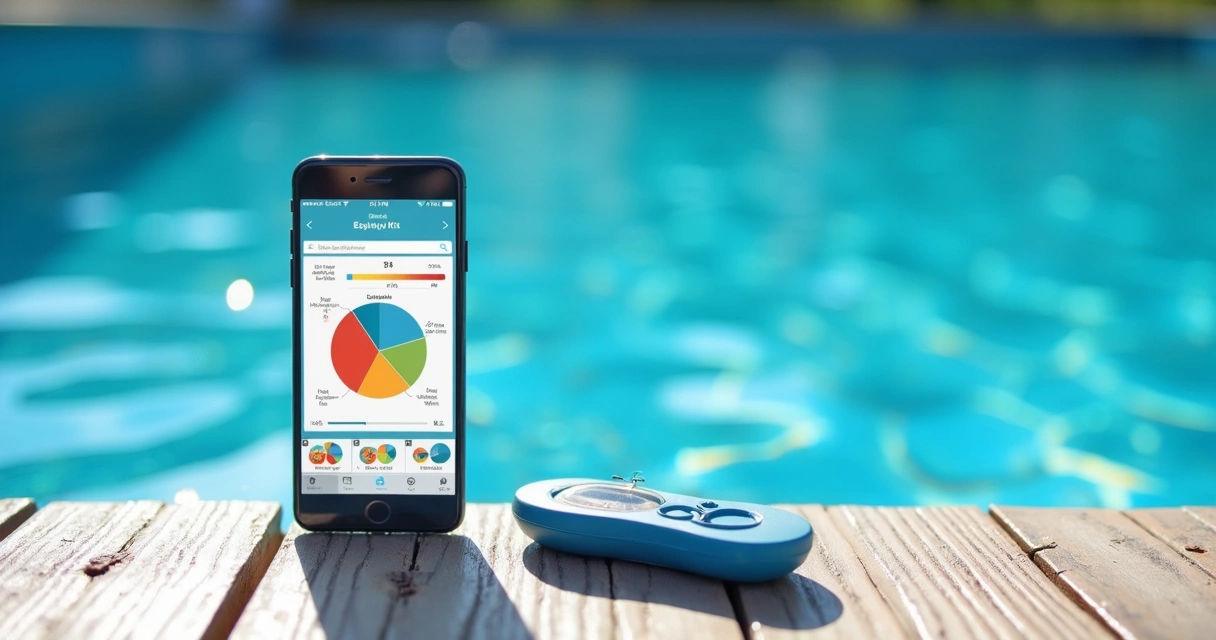
I have tested using tools that keep all pool information in one place, guiding both routine and emergencies. MyPoolMate is a solid example, focusing on personalized advice instead of selling chemicals, with integrations for digital scanners and targeted reminders. For those looking for an introduction, you can read about how pool care apps prioritize your pool’s needs, not a sales quota.
The allure of a hybrid approach
In actual conversation with pool owners, I notice many do not choose a single method permanently. Instead, they tend to blend self-care with periodic professional service. For example, doing the weekly jobs themselves and booking an annual “deep clean” or equipment check before high use periods.
This hybrid model has advantages:
- You save money by taking care of the basics yourself.
- You still benefit from expert eyes on your pool at key intervals.
- You build confidence and understanding, but leave the tougher jobs to those with experience.
Modern tools like MyPoolMate make switching between DIY and professional roles easier, allowing you to track every result, store technician reports, and flag issues as soon they appear. If you want to know what organic debris or bather load can do to your water, enzyme pool care is one solution that’s worth considering. In this hybrid format, you get the best of both worlds: confidence and convenience.
Should you choose self-management, professional service, or both?
The best answer comes down to your lifestyle, budget, and comfort with tasks. If you appreciate doing things yourself, love learning new processes, or want to save, then DIY—especially when supported by smart tools—might be ideal. If your time is precious or you get stressed at the sight of a murky pool, reputable professional services can erase headaches. And if you want some of each, it has never been easier.
The method you choose should fit your schedule, deliver peace of mind, and keep your water healthy and inviting.
And remember, you’re not limited to making this decision just once. Schedule can change, confidence grows, or maybe a new family member joins and you want that extra reassurance from a professional every so often.
Conclusion: Finding your best-fit method
As someone who has compared the benefits and challenges of both DIY and professional pool care, I’ve come to believe the answer is different for everyone. The main tasks—water testing, chemical adjustment, cleaning, and maintenance—are unavoidable. But how you go about them can adapt as technology evolves, your needs change, or as you grow in confidence.
If you like learning and gaining control, today’s technology, like MyPoolMate, offers real support to prevent costly errors and avoid overspending on chemicals. For those who want to mix professional assurance with hands-on savings, a hybrid strategy really does give the best outcome. Whichever path you choose, remember that knowledge, and the right tools, are your allies in maintaining safe and sparkling pool water.
If you want to take full control of your pool, maximize your confidence, and still enjoy built-in support, I suggest exploring how MyPoolMate can change the way you care for your own backyard oasis.
Frequently asked questions
What is the difference between DIY and pool shop care?
DIY pool care means you personally manage testing, chemical balancing, and cleaning, usually with instructions from manuals, apps, or trusted sources, while pool shop care involves following advice and buying treatments recommended by staff, or having a technician visit to handle all tasks for you. In DIY, you gain knowledge and control but accept full responsibility, whereas with shop or service care, you pay a premium for the expertise and labor.
How much does pool shop service cost?
The price depends on your location, pool size, and how often you use the service, but according to recent research, professional pool care can cost over twice as much per year as managing your own supplies and tasks. Most annual contracts fall between $1,500 and $2,500 for regular servicing, with extra fees for emergency visits, repairs, and chemicals marked up above retail.
Is DIY pool maintenance worth it?
If you’re willing to learn and put in some time, DIY pool care saves money and gives you direct oversight of your pool’s health. Mistakes are possible, so reliable guidance (via apps or manuals) and support tools can boost confidence and prevent costly errors. It’s especially worthwhile for those with flexible schedules or interest in learning.
How do I choose the right pool care method?
Think about your budget, available time, comfort with basic water chemistry, and how much peace of mind you want. If you prefer to save and learn, DIY with good support is best. If you want more hands-off comfort, a professional is likely better. Many pool owners use both approaches, doing weekly tasks themselves and booking expert checks every few months.
What tools do I need for DIY pool care?
At minimum, you’ll want a water test kit (strips or digital), a skimmer net, a pool brush, a vacuum or robotic cleaner, and basic pool chemicals like chlorine, pH adjusters, and clarifier. Digital test kits, pool management apps like MyPoolMate, and smart robotic cleaners can make regular care much easier and more accurate, especially for new pool owners.