
It’s no secret that saltwater pools have changed how many Australians look after their backyard oasis. I see more pool owners shifting away from traditional chlorine each year, searching for simplicity and softer water on the skin. But the myth that salt systems run themselves is persistent. I’ve seen it cause no end of trouble—from cloudy water in January to unexpected scale in the middle of July.
If you’re one of the growing group of Australians enjoying a saltwater pool, knowing how to maintain your system season by season isn’t just smart, it’s necessary for clear, safe swimming all year. In this article, I’ll explain how these pools work, how to manage the climate, and how you can stay on track—without drowning in unnecessary chemicals or advice. And, when you want smarter, pool-specific support, services like MyPoolMate have made it easier than ever.
How saltwater pools work in Australia
I want to start with basics. If you already own a salt pool or are considering switching, it helps to know how the system ticks before you dig into the details of care.
The saltwater chlorination process
Each saltwater pool uses a device called a salt chlorinator or ‘chlorine generator.’ Instead of buying bags of chlorine, you add enough pool-grade salt directly to the water to hit your system’s optimal range (typical: 4000–6000 ppm, but always check your manufacturer’s guidelines).
As your filtration pump runs, water passes over a cell packed with metal plates. Here, a mild electric current splits salt molecules (NaCl) to create pure chlorine gas—on demand, in the water. This chlorine sanitises your pool, then eventually returns to salt, and the cycle continues.
A saltwater pool is self-sanitising, but not self-managing.
One of the main differences from a “manual” chlorine pool is lower chemical handling and gentler swimming. You’ll still need to monitor and adjust a few key water parameters—and, as I’ll cover, rinse out the cell.
Benefits and differences
Softer, silkier water: Lower chlorine dosing and dissolved salt reduces “red eye” and dry skin.
Fewer harsh chemicals: You don’t need to dose raw chlorine weekly—only top up salt as needed.
Stable sanitiser levels: Generators dose as long as the system runs, preventing big chlorine swings.
Ongoing care required: The cell must be kept clean, and critical water balance maintained.
When comparing with regular chlorine maintenance, you might spend less time “shocking” the water or dosing unfamiliar products, but water testing, surface cleaning, and filter upkeep remain just as necessary.
Key water chemistry parameters
If I had to choose one factor that makes or breaks the saltwater pool experience, it would be water balance. Improperly managed water can scale your equipment, fade or pit a fibreglass finish, or even corrode metal railings and light fixtures. Regular, focused testing with a reliable kit—or using AI scanning such as MyPoolMate offers—will save you both money and stress.
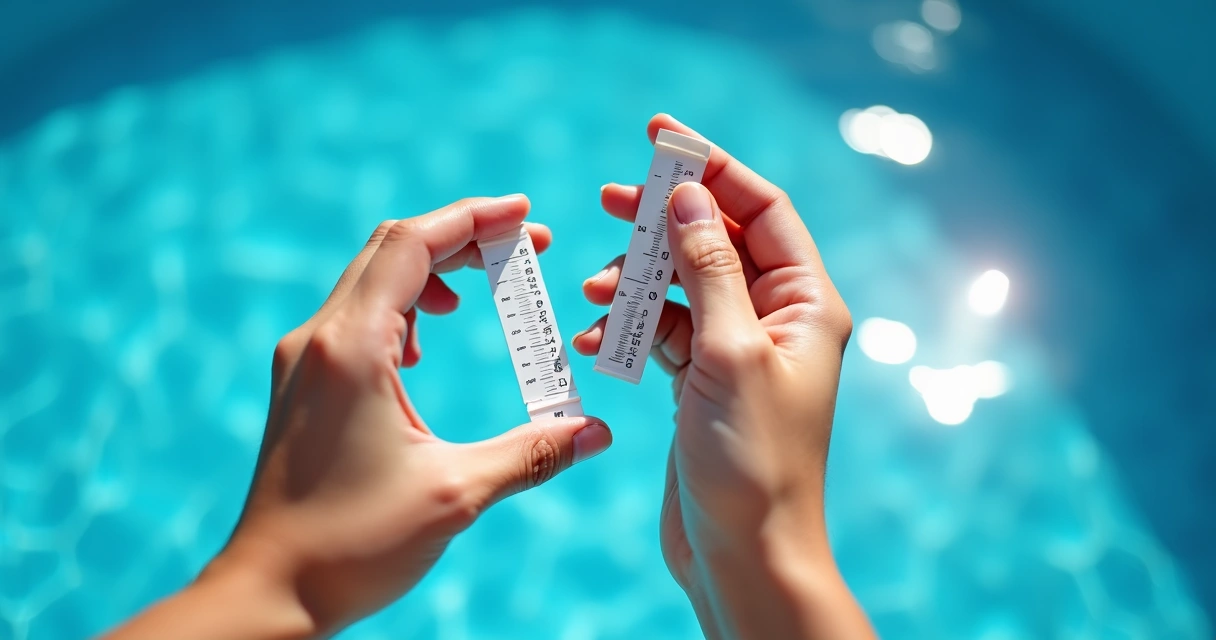
1. Salinity (Salt)
Every saltwater chlorinator has a target range. Most Australian systems aim for 4000–6000 ppm, but pools near the coast or inland will have slightly different experiences due to rainfall and evaporation. If salt drops too low, chlorine generation stalls. If too high, you may need to reduce salt using proper dilution.
Test: Monthly (increase after heavy rain, pool draining, or large water top-ups)
Adjust: Add pool salt in small increments, allowing time for circulation before retesting.
2. Chlorine (Free Available Chlorine, FAC)
Salt chlorinators automate chlorine production, but bather load, debris, sunlight, and temperature all impact demand. Proper FAC range is 1–3 ppm for most backyard pools (verify your specific system). If you see zero readings, act fast, especially in heat waves.
Test: 2–3 times per week in summer, weekly in winter
Adjust: Increase system run times or use manual “boost” feature if needed
3. pH
The by-product of electrolytic chlorine generation is a steady rise in pH. Saltwater systems need more frequent acid dosing to keep pH in the 7.2–7.6 range.
Test: Weekly (more often in hot or rainy conditions)
Adjust: Add pool acid (hydrochloric acid) in small doses
4. Alkalinity
Alkalinity acts as a buffer to resist sudden pH swings. The sweet spot is 80–120 ppm. Too low, and pH becomes unstable. Too high, scale forms easily.
Test: Every 2–3 weeks
Adjust: Use sodium bicarbonate to raise, or pool acid to lower
5. Calcium hardness
Too little calcium (below 150 ppm) can pit pool surfaces, especially in fibreglass pools—a common type across Australia. Too much (over 450 ppm) leads to scaling on salt cells and tiles.
Test: Monthly (or after topping up water, as Australian tap water chemistry varies by region)
Adjust: Calcium chloride to raise, partial water change to lower
6. Cyanuric acid (Stabiliser)
This chemical shields chlorine from the damaging effects of the sun. You need it, but too much will turn your chlorine into a slowpoke. Ideal levels for saltwater pools are typically 30–60 ppm.
Test: Monthly, especially after heavy rain or water replacement
Adjust: Add stabiliser to increase, partial drain/refill to decrease
Step-by-step saltwater pool routine
Over years of looking after saltwater pools across different Australian climates, I built a list that works for most people. You can tweak the frequency based on region and usage, but with these basics, you’ll stay ahead of dramas.
Weekly steps
Scoop out leaves, bugs, and debris from water and skimmer baskets.
Brush walls, steps, ladders, and pool floor to prevent algae and scale.
Run the filter for 8–12 hours in peak summer. Less is fine in mild or cool weather.
Test chlorine and pH. Adjust as needed.
Backwash sand or DE filters if pressure rises; clean cartridge filters as required.
Monthly steps
Check salt, calcium, alkalinity, and cyanuric acid levels.
Inspect salt cell for scale or build-up; clean if needed.
Examine pump, chlorinator control box, and pool tiles for any signs of leaks or corrosion.
Log all test results for tracking—tools like MyPoolMate’s digital records can help visualize trends and prompt needed actions.
Inspecting and cleaning the salt cell
Here’s something every saltwater pool owner should do regularly but often forgets. I’ve seen clear pools turn green in two days from a blocked cell. Salt cell inspection takes ten minutes but saves major headaches.
Turn off all power to the pool equipment. Disconnect the cell housing—or open it, depending on your model.
Visually inspect the metal plates. If you see white, flaky, or crunchy build-up, you’re looking at calcium scale.
Gently hose off light debris. For stubborn scale, soak the cell in a bucket of 1:10 (acid:water) solution for a few minutes only, agitating gently.
Rinse thoroughly with fresh water. Never poke or scrub metal plates with sharp objects.
I recommend cleaning your salt cell at least once per season, or anytime you notice a decline in chlorine output. Chronic scaling means your calcium hardness or pH management may need work—see saltwater chlorinator troubleshooting for further guidance.
Troubleshooting common saltwater pool problems
Cloudy water
Most cases I’ve seen come down to poor chlorine production, high bather loads, or filter neglect. Cloudy pools can also be a symptom of imbalanced pH or calcium. Always check your free chlorine first.
Scale build-up
I notice it most in pools with persistent high pH and calcium hardness—very common in some Australian regions with “hard” water. Regular acid dosing and water testing keep this under control. Pay close attention to the cell, tile line, and pool ladder.
Corrosion
If your saltwater pool smells metallic, or you see pitting on pool fixtures, your water is likely too aggressive. This happens when pH and alkalinity run low, or with extremely high salt. Keep all parameters in range—and stick to non-metallic cleaning tools.
Unstable chlorine readings
Sudden dips often stem from dirty salt cells, overworked systems (long, hot days), or low stabiliser. If levels aren’t holding, inspect the cell and double-check the cyanuric acid range.
More details on odd pool water issues and step-by-step fixes are covered in this guide to clearing organic debris from pool water, which helps in tough cases that don’t clear up after a shock or filter clean.
Seasonal saltwater pool care: summer and winter
Australian weather can turn from blazing to brisk in only a few weeks. That’s why I always adjust my pool’s routine to the season. Here’s how I do it.
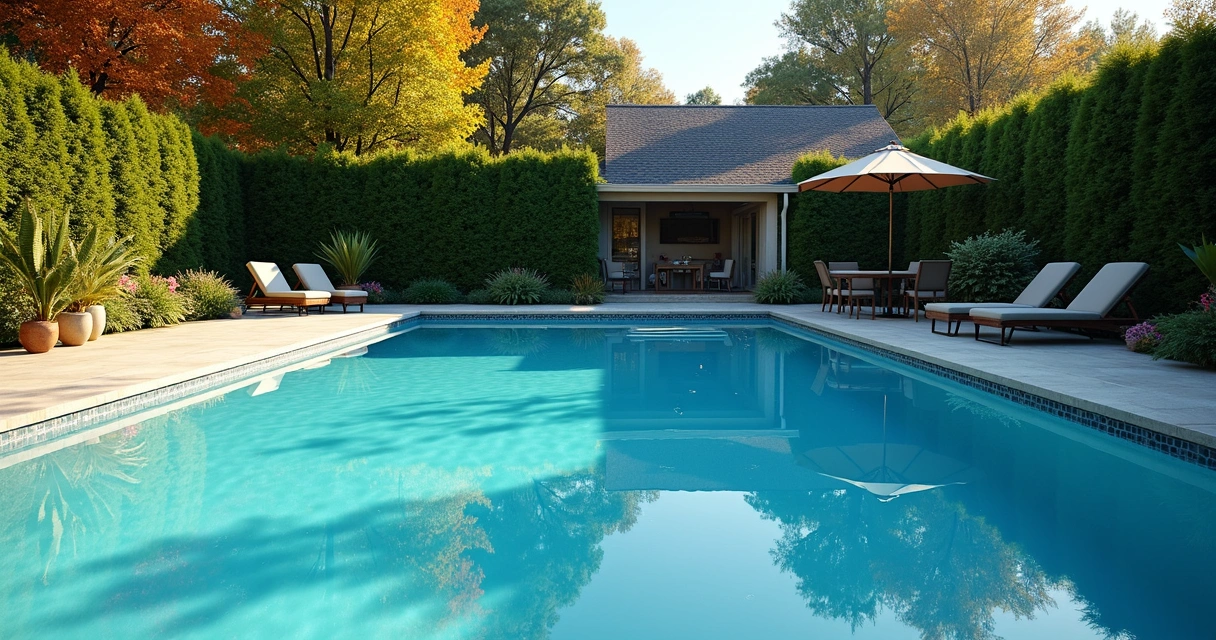
Summer care
Increase circulation: Run the pump 8–12 hours daily for active swimmer loads.
Test chlorine, pH, and salt levels up to three times per week—heat and sun burn through chlorine faster.
Clear debris daily to stop organic loads (leaves, pollen) from over-taxing your chlorine generator.
Top up salt and stabiliser as needed after storms and splash-outs.
Consider using a pool cover to retain both heat and salt.
Winter care
Cut filter run times to 4–6 hours per day as demand drops with cold air and water.
Test salt and chlorine weekly; you’ll need less chlorine, but salt dilution from winter rains is common.
Maintain pH and alkalinity—cold water can mask drift, but letting balance slip will show up as staining or corrosion in spring.
If not swimming, consider lowering chlorine output or using your chlorinator’s low or “winter” setting.
Continue inspecting the salt cell monthly, especially if your area sees big rainfall swings.
If you’re in tropical or subtropical climates like much of Queensland, you might need to stay extra vigilant year-round. For location-specific recommendations, I always refer people to independent regional guides like this Queensland pool maintenance resource.
Surface maintenance: fibreglass, concrete, and more
Most modern pools in Australia are either fibreglass or concrete (often with pebble or tiled surfaces). Saltwater doesn’t damage these when water is properly balanced, but each type reacts differently to problems.
Fibreglass: More sensitive to low calcium levels, which can etch or fade the surface. Always keep calcium hardness above 150 ppm.
Concrete/tiled: Susceptible to scale if calcium runs high or the pH is left to climb. Scrub and vacuum regularly, and address scale promptly with gentle cleaning.
Metal fittings: Use sacrificial anodes to extend the life of ladders and light bezels in saline environments.
Surface brushing and vacuuming prevent algae, scaling, and staining. Paired with balanced water and regular inspection, you’ll keep your pool inviting every month of the year.
Smarter tools and AI-powered monitoring
Manual water testing and recordkeeping are fine, but I’ve seen so many people lose track, skip steps, or miss a trend. That’s where modern tools shine.
Projects like MyPoolMate introduce an AI-powered approach to pool management. By storing a full history of your pool’s profile, photos, and water test results, the system can spot patterns quickly, recommend fine-tuned chemical adjustments, and alert you to out-of-range values before things get out of hand. Their recovery protocols, team access features, and analysis of seasonal patterns only add value as your pool ages.
Technology can simplify saltwater pool upkeep and reduce unnecessary chemicals, by understanding your pool’s unique needs.
If you’re interested in learning about salt chlorinator operation, you’ll find extra help in this salt chlorinator guide for Australian models.
Long-term value and national pool trends
Australia’s love for swimming pools isn’t limited to private backyards. Swimming is one of the top activities in the country, with over 3 million adults participating annually. This cultural connection boosts interest in reliable pool care and water safety.
The same is true for public and ocean pools: Annual maintenance costs can run up to A$80,000 and repairs often size up into millions, according to studies from the University of New South Wales. Even among council-run pools, half a thousand facilities need significant upgrades or replacement in the next decade. These numbers highlight the need for good maintenance habits, whether you’re running a family pool or part of a community resource.
Conclusion: clear water, less worry, and smarter care
Clear, balanced pool water is never an accident. In my experience, saltwater pools reward regular, simple care—not guesswork or overcorrection.
Seasonal tweaks, good records, and the right tools make pool care easier than ever.
If you want support beyond this guide, MyPoolMate offers a pool-specific, AI-driven approach that personally recommends treatments, manages records, and even plans recovery in emergencies—specific to Australian pools. Every time you’re one step ahead, you spend less money on unnecessary chemicals, and more days enjoying the water.
Ready to make saltwater pool maintenance less hassle? Try MyPoolMate’s web app and see personalised advice tailored for your pool, your climate, and your needs.
Frequently asked questions
What is a saltwater pool in Australia?
A saltwater pool uses a salt chlorinator to convert dissolved pool salt into chlorine, sanitising the water without needing to buy, store, or handle raw chlorine directly. The salt stays in the water and is recycled, making the experience gentler on eyes and skin. Australian saltwater pools are especially popular for their low-maintenance daily routine, but they still need testing, salt top-up, and regular balance checks.
How to maintain a saltwater pool year-round?
Year-round saltwater pool care involves routine debris removal, regular brushing and vacuuming, and adjusting pump run times by season. Test chlorine and pH at least weekly, check salt and stabiliser monthly, and inspect the salt cell often for scale. In summer, increase circulation and top up salt after heavy rain. In winter, lower chlorinator output and filter time but keep chemistry balanced. Tools like MyPoolMate offer personalised plans and task reminders.
Is saltwater pool maintenance expensive in Australia?
Slightly higher upfront costs are common with saltwater pools due to the chlorinator unit and initial salt purchase, but ongoing expenses are often lower compared to manual chlorine dosing. Most costs relate to periodic salt top-ups, balancing agents, and cell cleaning. For public or very large pools, maintenance costs, such as those highlighted in university and government reports, can be substantial, but for residential owners, costs are usually quite manageable.
What chemicals do I need for saltwater pools?
You’ll need pool-grade salt to maintain salinity, plus supplies to adjust pH (pool acid), alkalinity (bicarbonate or acid), calcium hardness (calcium chloride), and cyanuric acid (stabiliser). Occasional clarifiers or algaecides may be needed for special conditions. Most salt chlorinators also have a “boost” or “shock” setting for increased output during periods of high demand.
How often should I test my saltwater pool?
For best results, test chlorine and pH two to three times per week during summer, then at least weekly during winter. Check salt, alkalinity, calcium, and stabiliser monthly, or more often after heavy rain, top-ups, or when water looks or smells off. Consistent record-keeping, either on paper or with digital tools like MyPoolMate, will help you spot trends and prevent most pool problems before they start.