
If you’re thinking about upgrading your pool system or planning a new one in Australia, there’s a strong case for choosing a salt water chlorinator. After two decades in the pool industry and seeing firsthand what works and what doesn’t, I know that salt water systems reduce hassle, dodge some of the chemical headaches, and can even lower ongoing costs with the right choice.
Most chlorinators share similar base functions: they turn dissolved salt into chlorine through electrolysis, automating a big chunk of your pool care. But from years of working with pool owners, I’ve noticed that not all models suit all pools, and a list with dozens of products just gets confusing fast. So, I’m sticking to the four best options for Australian conditions—each tried and tested, and well-supported, to cover most needs. Let’s get straight into it.
Why salt water chlorinators make sense in Australia
Traditional pools can work, sure, but I see far fewer headaches with salt water setups. Why? For our warm climate, long swimming seasons, and variable rainfall, the convenience of steady, reliable chlorine generation can't be overstated.
Maintenance schedules get simpler, skin and eye irritation tends to drop, and for most people, the water actually feels softer. I also see fewer cases of green pools when the right chlorinator is matched to the job.
What all the best models have in common
Whether you’re looking at the most popular options or niche favourites, most top-tier salt water chlorinators have these traits:
- Good chlorine production per hour (ideally matched to your pool size and season)
- Broad working salt range—useful for adapting to weather, water loss, and topping-up
- Clear controls and error warnings
- A proven history of reliability in Australian harsh weather
- Availability of spare parts and support
The models below deliver on these fronts, with a few unique touches that can make your life a bit easier.
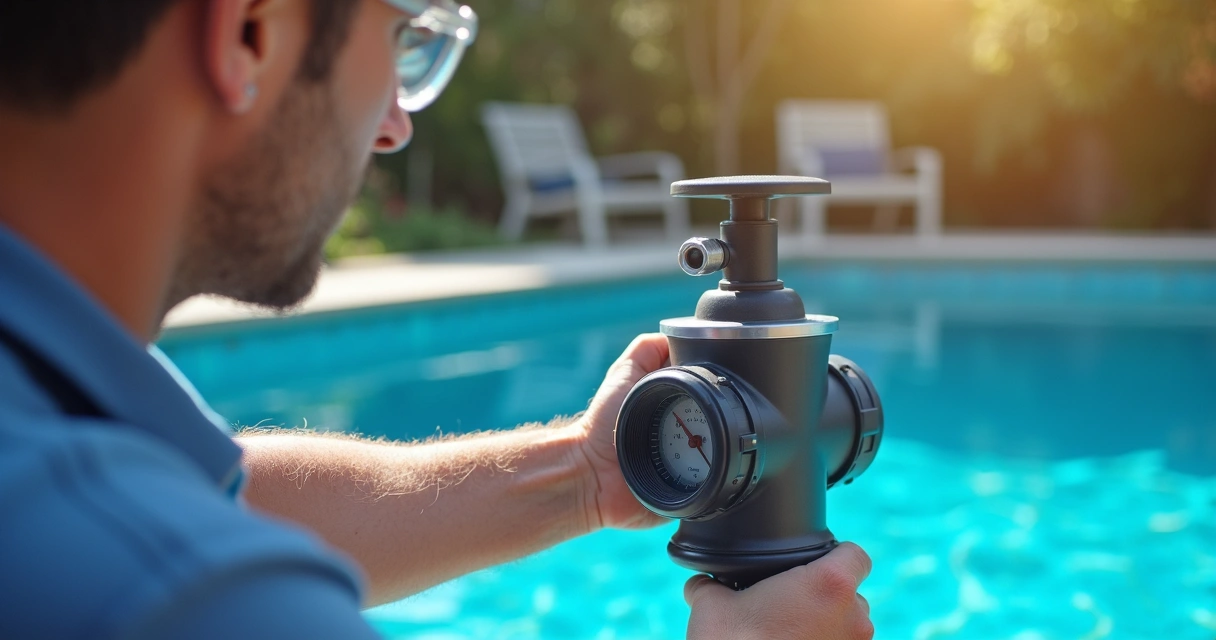
Water TechniX Atomic WTA25 – for efficiency and flexibility
This is the model I hear praised most often by new and experienced pool owners alike. The WTA25 delivers 25 grams of chlorine per hour. That’s enough for pools up to 50,000 litres in tropical and northern parts of the country. What sets it apart, though, is its low salt requirement: it runs comfortably at just 2,500 to 4,000 ppm—meaning gentler water, less corrosion risk for ladders and pool equipment, and lower salt expense over time.
I have tested it on mineral pools as well, and it’s fully compatible, ticking another box. The WTA25’s control box is easy to navigate, and you get a remarkable 60-day full refund guarantee. Not many brands, if any, will let you try a chlorinator for an Australian summer and give it back if you aren’t happy. Another plus: the system keeps working even if salt dips below ideal, so you don’t get abrupt outages the way some units might.
For pool owners interested in every detail, I recommend looking up the full run-down in the dedicated guide on the Water TechniX Atomic, which covers installation, tips, and more.
- Chlorine output: 25 g/hr
- Suitable pool volume: Up to 50,000L (tropical)
- Salt range: 2,500 to 4,000 ppm (low requirement means less damage and more savings)
- Mineral pool compatible
- Unique 60-day Ironclad full refund for peace of mind
- Keeps working even as salt drops, so it’s more forgiving for busy owners
Less salt, less corrosion, no surprises if salt gets low.
Curious about how salt water chlorinators actually turn salt into chlorine? You can get a clear technical explanation and see common mistakes in this detailed post.
Astral VX7 – feature-packed with minor quirks
I’ve noticed many pool technicians and DIYers pick Astral VX7 for its strong blend of power and programmability. With an output of 25 grams per hour, it covers up to 50,000L in hot climates and as much as 96,000L in cooler southern regions. The nice flexibility is the broad salt range (3,000 to 8,000 ppm) with a 4,000 ppm sweet spot for best results. Four timer settings are included, handy if you want to run cleaning in cycles or vary output by time of day.
If there’s a flaw, it’s the front label on the control panel that tends to peel after enough sun and rain. This is more cosmetic than functional, and replacement stickers and spare parts are available at most good outlets, which I’ve confirmed personally.
- Chlorine output: 25 g/hr
- Pool volume: Up to 50,000L (tropics) or 96,000L (temperate)
- Salt range: 3,000–8,000 ppm (target around 4,000 ppm for best life)
- Control: Four programmable timer settings
- Parts: Replacement stickers and spares broadly available
If you ever run into salt level issues with your chlorinator, you’ll want to check out practical troubleshooting tips in the step-by-step salt management guide.
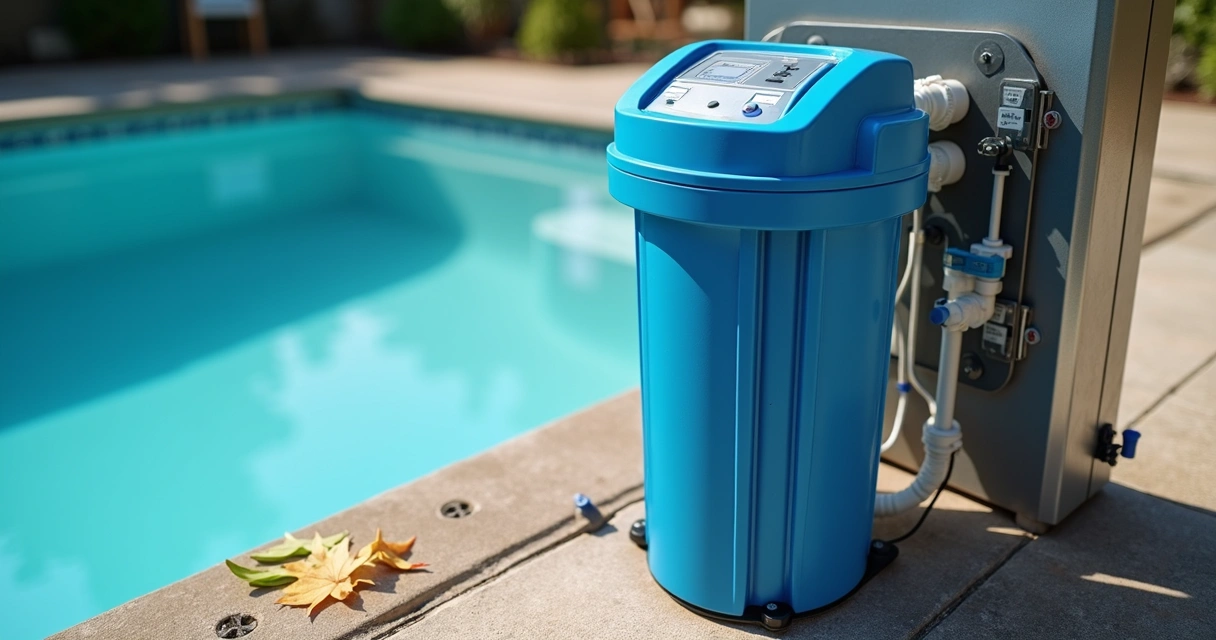
Saltmate SMT90 – reliable, simple, built to last
Saltmate SMT90 stands out for toughness and straightforward design. Built in Australia, it’s cased in a robust, weather-sealed metal enclosure (IP-34 rating), so rain or sun rarely shakes it. This chlorinator outputs 23 grams per hour—just below the others on this list—but has no trouble handling up to 50,000L in cooler regions, with a little less in hot, humid zones. Maintenance is easy, and the electronics stand up to power grid hiccups and bush conditions.
I’ve found this unit perfect for those who want less “tech” and just need reliability. It handles a huge salt range too—from 3,000 up to a whopping 45,000 ppm—making it adaptable if your maintenance schedule isn’t perfect. Replacement cells, a common point of early-trouble in other brands, are also readily available, which gives peace of mind for year-round sanitation.
- Chlorine output: 23 g/hr
- Up to 50,000L (temperate), less in hot climates
- Salt range: 3,000 to 45,000 ppm (extremely broad)
- Straightforward interface—very few extra features, but very reliable
- IP-34 weather-sealed metal housing
- Australian made and supported
If you prefer an Australian-built tank that just works and keeps going, this is my top pick.
Zodiac LM3-24 – versatile with handy maintenance features
The Zodiac LM3-24 impresses for larger pools and anyone wanting a bit more smart automation. It produces 24 grams per hour (just under the others above), but manages up to 80,000L in tropical climates and 120,000L in temperate locations. It operates best at around 4,000 ppm, but works anywhere from 3,000 up to 8,000 ppm. Its self-cleaning feature means less salt cell scaling, which saves a lot of time and extends cell life. There’s also a boost mode for heavy use, a battery backup to keep your timer settings safe if the power flicks off, and clear warning lights for salt or water flow errors—a great help in troubleshooting before problems get big.
- Chlorine output: 24 g/hr
- Pool volume: Up to 80,000L (tropics) or 120,000L (temperate)
- Salt range: 3,000–8,000 ppm (target 4,000 ppm)
- Features: Self-cleaning, boost mode, warning lights, battery backup
- Spares and accessories widely available
For anyone wanting a run-down of the 12 most common issues and how to fix them, I strongly recommend looking over this chlorinator troubleshooting list.
My strongest recommendation: Water TechniX Atomic (WTA35)
Of all the models I’ve worked with, I find the Water TechniX Atomic—especially the WTA35 variant (the bigger sibling to the WTA25 discussed above)—hits every mark: serious chlorine output, durability, simple controls, parts availability, low running costs, and perhaps most notably, a friendlier price point. It handles bigger pool volumes for Northern Australia and can be dialed down for smaller backyard pools. If you want “set and forget” with a rock-solid guarantee behind it, Atomic wins hands down in my experience.
Many pool owners in the Queensland region rely on this device for warm-season reliability.
My honest tip: for reliability, value, and extra peace of mind, the Water TechniX Atomic is where I’d put my money.
Connect with MyPoolMate and save more on pool care
If you want more discounts, offers, and practical pool tips, joining the Pool Club gets you an immediate discount on your next order, plus news and seasonal maintenance tips straight to your inbox. You can unsubscribe anytime. MyPoolMate exists to cut the confusion and reduce chemical costs for Aussie pool owners, combining AI-driven insights with real user data across models and brands. Follow MyPoolMate for updates and guides any time you need help or just want the smoothest swim possible.
Conclusion
If you’re after the simplest, most cost-effective way to keep your pool in top shape, a good salt water chlorinator is a smart move for almost every Australian pool. After years in the industry, these four models consistently come out ahead for reliability, range, and ease of use. For most owners, the Water TechniX Atomic series—in particular the WTA35—delivers features you won’t outgrow, at a price that often beats more complicated alternatives, and with the kind of customer guarantee that makes all the difference. For more tips, troubleshooting and guides, MyPoolMate’s blog has you covered.
Frequently asked questions
What is a salt water chlorinator?
A salt water chlorinator is a device fitted to your pool system that uses ordinary pool salt and converts it into chlorine, sanitizing the water automatically without the need for regular manual dosing of liquid or granular chemicals. The result is safer, clearer water with less day-to-day effort.
How does a salt water chlorinator work?
Salt water chlorinators work by passing a low electrical current through pool water containing dissolved salt (sodium chloride); this separates the salt into sodium and chloride ions, creating chlorine gas, which dissolves into the water and acts as a sanitizer. This process repeats continuously, as long as the system is running and there’s enough salt in the water. For deeper details, see the chlorinator function guide.
Which salt water chlorinator is best?
The “best” salt water chlorinator depends mainly on your pool size, local climate, and personal preferences regarding features, but in my experience, the Water TechniX Atomic WTA35 stands out due to its low salt level compatibility, strong chlorine output, flexible controls, and the unique full refund guarantee not offered elsewhere. It's reliable for both new installations and upgrades, but the other models listed here are excellent in the right settings, too.
Are salt water chlorinators worth it?
In almost all cases, yes—they automate your pool’s main sanitising task, reduce chemical handling, make water more comfortable for swimmers, and help keep maintenance costs steady year to year. While there is a higher up-front cost, the savings in hassle and reduced chemical purchases quickly make up for it.
How much does a chlorinator cost?
For most Australian pool owners, a quality salt water chlorinator will range from about $800 to $2,000 depending on brand and features, with extra-large or “smart” systems costing more. Installation is extra unless you’re DIYing, and don’t forget to factor in the price of pool salt, though these costs tend to be lower than manual chlorine over time.