
Backyard pools are very common in Australia because of the warm climate, and I understand the appeal very well. A private swimming oasis at home can turn a hot afternoon into something calm and enjoyable. Still, I have seen many owners treat pool care as if it were only about filling the pool with water. It is not. A pool has to stay safe and clean, and chlorine is still the main treatment method for that job.
Chlorine remains popular for clear reasons. It is a strong disinfectant. It helps control bacteria, viruses, fungi, algae, and organic matter. It also breaks down oils, sweat, and sunscreen, which is one reason clean pool water looks bright instead of dull.
Chlorine is trusted because it cleans the water fast and keeps working after it is added.
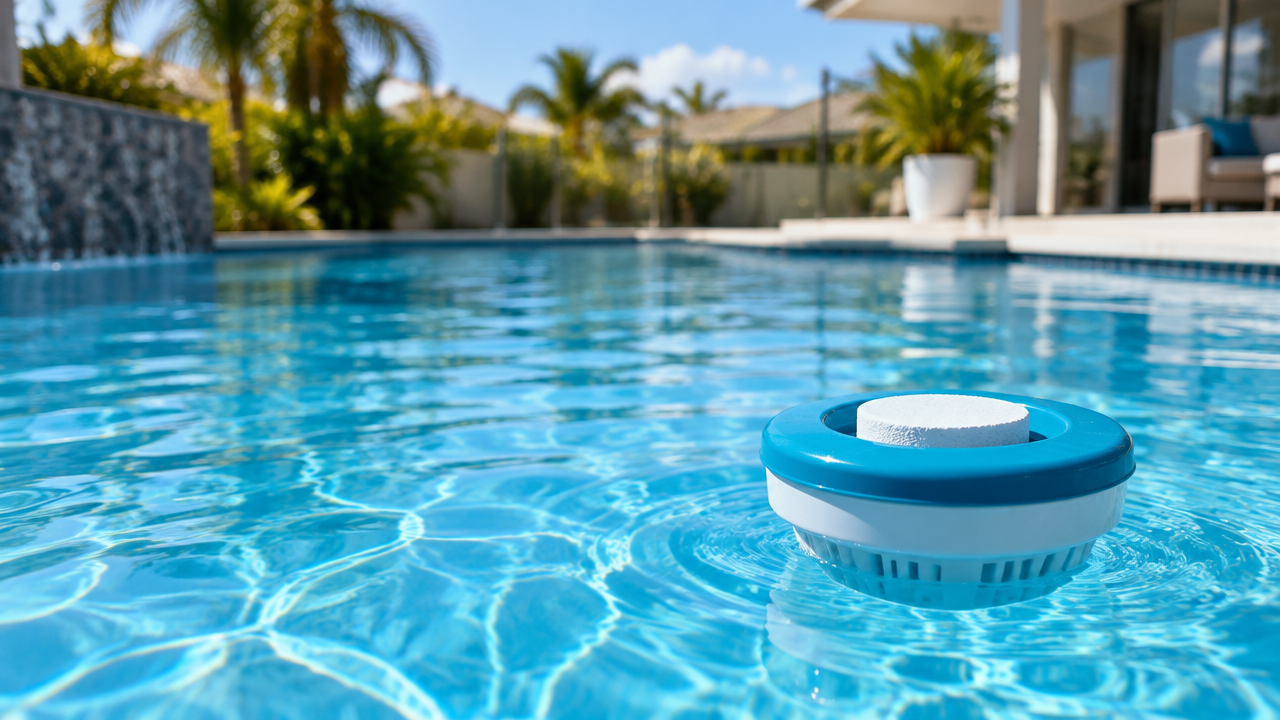
In my experience, many Australian pool owners choose chlorine because it is also affordable and simple to use. It comes in liquid, tablets, and granules, so people can choose a format that suits their routine. Health bodies such as the WHO and CDC support chlorination in managed water settings, and many local rules also require safe disinfection. That gives owners a practical standard to follow.
But there is a catch. Too much chlorine can irritate skin and eyes. Too little can leave the pool unsafe. This is where regular monitoring matters, and where tools like MyPoolMate can help owners make sense of test results based on their own pool setup instead of broad advice.
Why chlorine is still widely used
I think chlorine stays on top because it offers a mix of coverage, cost, and ease that is hard to ignore. Even when people choose another system, chlorine usually still has a role in the background.
These are the main reasons owners keep using it:
- It kills a wide range of harmful germs.
- It helps prevent algae growth.
- It breaks down body oils, sweat, and sunscreen.
- It is sold in forms that suit different pool setups.
- It remains active in the water after dosing.
- It is usually less expensive than many advanced systems.
I have noticed that confusion often starts when owners assume more chlorine means better water. It does not. Good pool care is about balance. If you want a better sense of how chlorination equipment works in daily use, this guide on how pool chlorinators work, their types, pros, and common mistakes gives useful background.
More is not always safer.
What can go wrong with chlorine?
Chlorine does a lot of good work, but it also has downsides. I think it helps to speak plainly about them, because owners make better choices when they know both sides.
Common negative effects include:
- Eye irritation and red eyes.
- Dry or itchy skin.
- Coughing or breathing discomfort from byproducts, especially indoors.
- Allergic reactions in sensitive people.
- The sharp pool smell caused by chloramines.
- Unpleasant taste or sensation after swimming.
- Fading of swimwear.
- Hair dryness or colour damage, often worse in treated hair.
That strong “chlorine smell” is often a sign of chloramines, not clean water.
There is also an environmental side. If pool water is dumped into natural waterways without care, chlorine and related chemicals can affect fish and plants. I have seen owners overlook this because they focus only on the pool itself. Disposal matters too.
Alternatives and what they really mean
Some owners prefer alternatives for comfort or maintenance style. That makes sense. Still, I always point out that these systems do not remove the need for testing and upkeep.
The most common options are:
- Saltwater chlorination systems, which create a gentler form of chlorine from salt.
- UV systems, which help destroy some resistant germs and reduce some byproducts.
- Ozone systems, which can lower chlorine demand and reduce some of its unwanted effects.
Saltwater pools are often seen as softer on the skin, though they still rely on chlorine being produced in the system. For owners comparing options at home, I think this article on magnesium pools vs chlorine for Australian homes adds helpful context. If you already run a salt system and it starts acting strangely, this piece about salt water chlorinator troubleshooting and fixes is also worth reading.
Whichever system you choose, regular water testing is still part of safe pool care.
That is one reason I like what MyPoolMate is doing. It focuses on the pool’s actual condition, history, and setup, which helps owners avoid random chemical dosing.
Why inspections matter so much in Australia
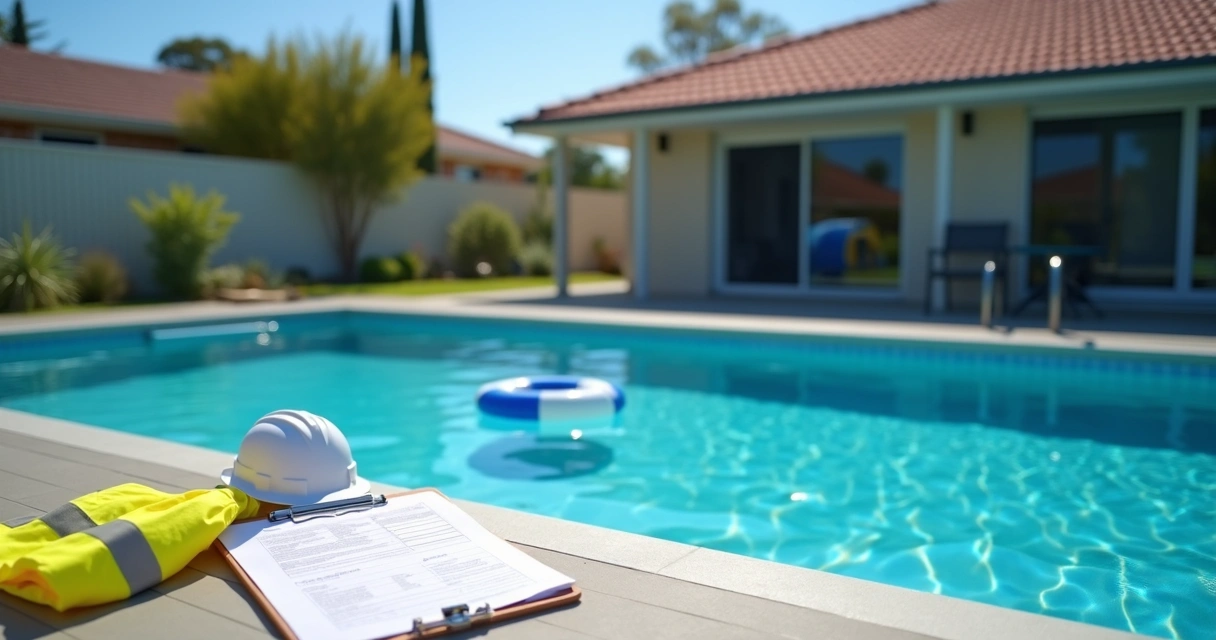
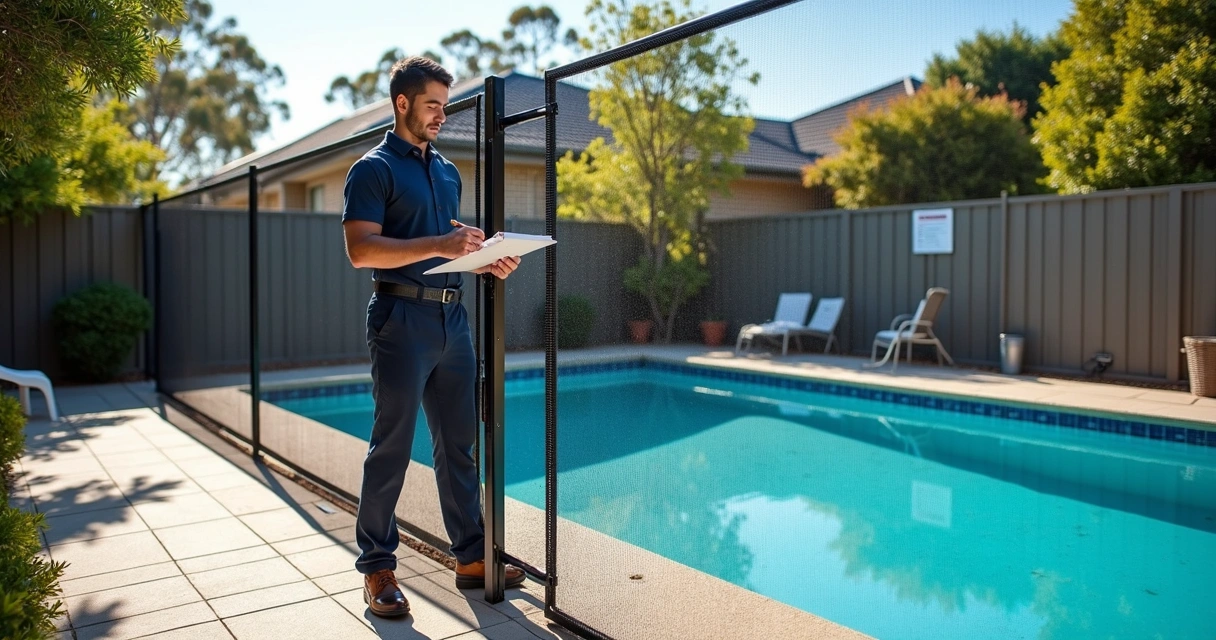
When I talk about pool safety, I never limit it to chemistry. In Australia, inspections matter a lot, and in Victoria and other regions there are legal requirements tied to pool safety barriers and compliance. These checks are not paperwork for the sake of paperwork. They help prevent serious accidents, especially drownings.
A proper inspection can cover several areas:
- Fencing height and integrity.
- Gate operation and self-closing function.
- Required signage.
- Water quality and clarity.
- Pool surrounds and slip risks.
- Equipment condition, including pumps and filters.
I once spoke with a homeowner who thought his pool gate was “fine enough.” It was not. The latch had become unreliable over time. That small issue could have had a terrible outcome. Inspections catch these problems before they become emergencies.
How I would choose a pool inspector
Not every inspection service gives the same level of care. I would always want proof that the person is trained, certified, and familiar with the local rules that apply to my address.
When hiring an inspector, I would look for:
- Proper certification and licensing where required.
- Knowledge of local laws and standards.
- Documented experience with residential pools.
- A strong reputation through reviews or recommendations.
- A clear process that covers safety and maintenance factors.
- Good communication before and after the visit.
That last point matters more than many people think. If an inspector cannot explain what failed, why it failed, and what to fix, the report becomes less useful. For owners managing seasonal care in warmer states, I also like this practical guide to pool maintenance in Queensland. And if you have ever wondered whether every chemical recommendation is really needed, this article on whether you need all the chemicals a pool shop recommends raises smart questions.
Conclusion
In my view, safe pool ownership in Australia comes down to two things working together. The first is the right chlorine balance for health and clean water. The second is proper inspection for fencing, gates, surfaces, equipment, and legal compliance. In Melbourne’s many backyard pools, both matter if owners want a pleasant swimming experience without avoidable risks. If you want a simpler way to track test results, understand what your pool really needs, and make better treatment choices, I suggest getting to know MyPoolMate.
Frequently asked questions
What is chlorine used for in pools?
Chlorine is used to disinfect pool water. It helps kill bacteria, viruses, fungi, and algae, while also breaking down sweat, oils, sunscreen, and other organic matter that can make water cloudy or unsafe.
How much chlorine should I use?
The right amount depends on pool size, sunlight, water temperature, bather load, and your sanitising system. I would always check current test results before adding more. Many residential pools aim for a normal free chlorine range set by local guidance and the pool’s condition, rather than using a fixed guess.
How to check chlorine levels safely?
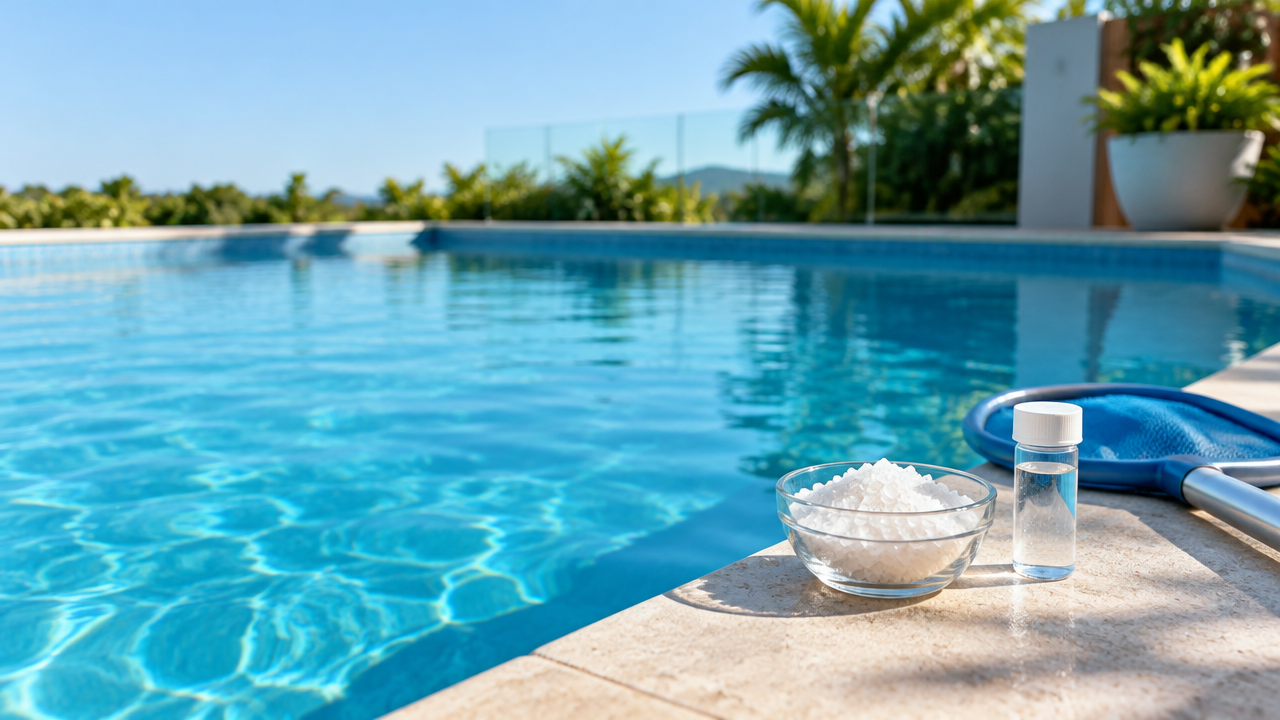
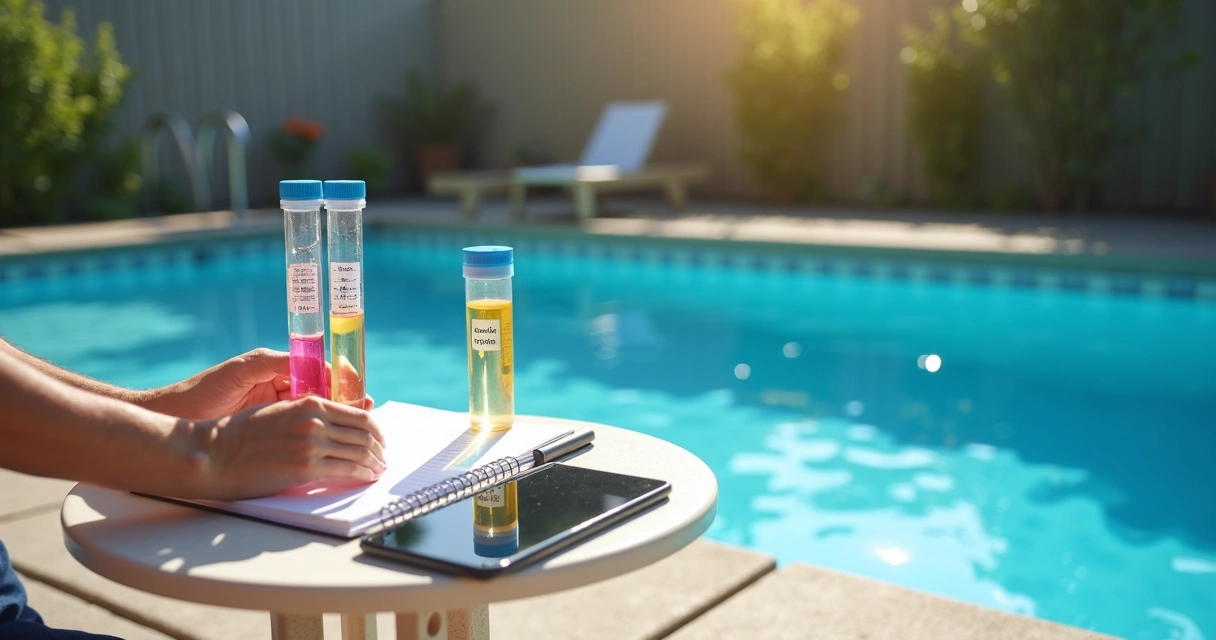
I recommend using a reliable pool test kit, test strips, or a digital reader, then following the product instructions closely. Take a clean water sample, compare the reading carefully, and store chemicals safely away from children. Logging results over time also helps spot patterns before problems grow.
Are chlorine pools safe for children?
Yes, chlorine pools are generally safe for children when chlorine is kept within the right range and the pool is well maintained. Problems usually come from poor balance, dirty water, or unsafe surroundings. Supervision, secure fencing, and regular testing all matter.
How often should pools be inspected?
Pools should be inspected as often as local law requires, and owners should also do routine checks themselves throughout the year. I think it is wise to watch gates, fences, water clarity, and equipment often, even between formal inspections, because small faults can appear at any time.