An in-ground pool can be a brilliant upgrade for an Australian backyard, but only if you choose the right build and understand the real upkeep. For most homeowners, the big decisions are material, total project cost, and how much routine care they want to handle. This guide breaks those choices down in plain English, with a practical focus on long-term ownership rather than showroom promises.
If you are planning a new pool, think beyond the shell price. The cheapest quote is not always the cheapest pool to own, especially in hot, stormy Queensland conditions where water balance, debris load, and pump time can shift fast.
Key points before you commit
- Fibreglass is usually the easiest starting point for speed, predictable installation, and lower day-to-day fuss.
- Concrete gives the most design freedom, but it usually costs more upfront and needs more attention over time.
- Your site can change the budget dramatically, especially if access is tight or retaining, drainage, or crane work is needed.
- Running costs depend on habits, not just equipment, which is why a clear pool maintenance cost breakdown matters before build day.
- Good water records save money, because most expensive pool problems start small and go unnoticed.
What counts as an in-ground pool?
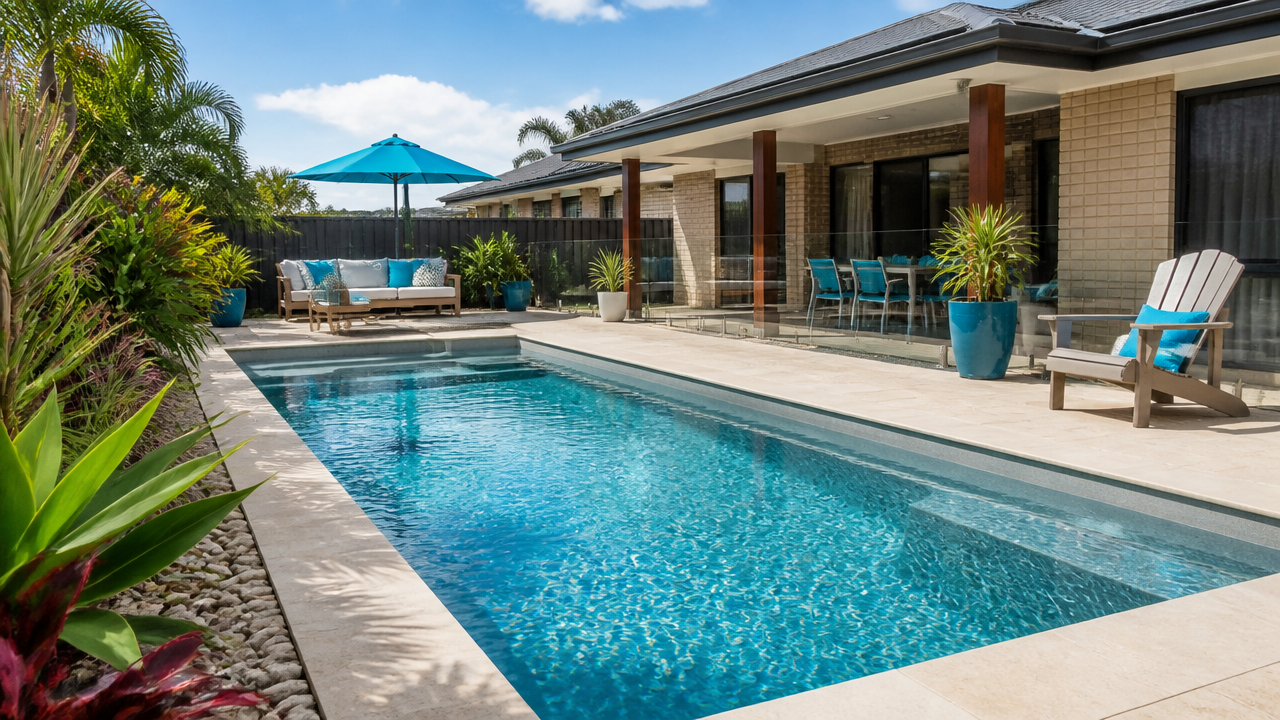
An in-ground pool is any pool installed into the ground as a permanent structure. That includes compact plunge pools, classic lap pools, family rectangles, and custom freeform shapes.
What matters most is not the label, it is the construction method and the demands it creates. Once the pool is built in, access for repairs, resurfacing, and equipment upgrades becomes part of the ownership picture, so it pays to choose a setup that suits your yard and your tolerance for maintenance.
Which type suits your home best?
Fibreglass suits owners who want speed and simplicity
Fibreglass pools are pre-moulded shells dropped into an excavated hole. For many households, this is the most straightforward path because installation is usually faster and the smooth surface tends to be easier to brush and keep balanced.
The trade-off is flexibility. You choose from existing shapes and sizes, so if your block is awkward or you want a very specific look, you may hit design limits.
Concrete suits owners who want a custom result
Concrete is the flexible option. It works well for sloping sites, unusual shapes, integrated spas, vanishing edges, and architectural finishes.
That freedom usually comes with a higher price and more upkeep. Surface texture, finish wear, and chemistry management all matter more over time, especially if you want the pool to keep looking sharp.
Vinyl liner pools exist, but they are less common in Australia
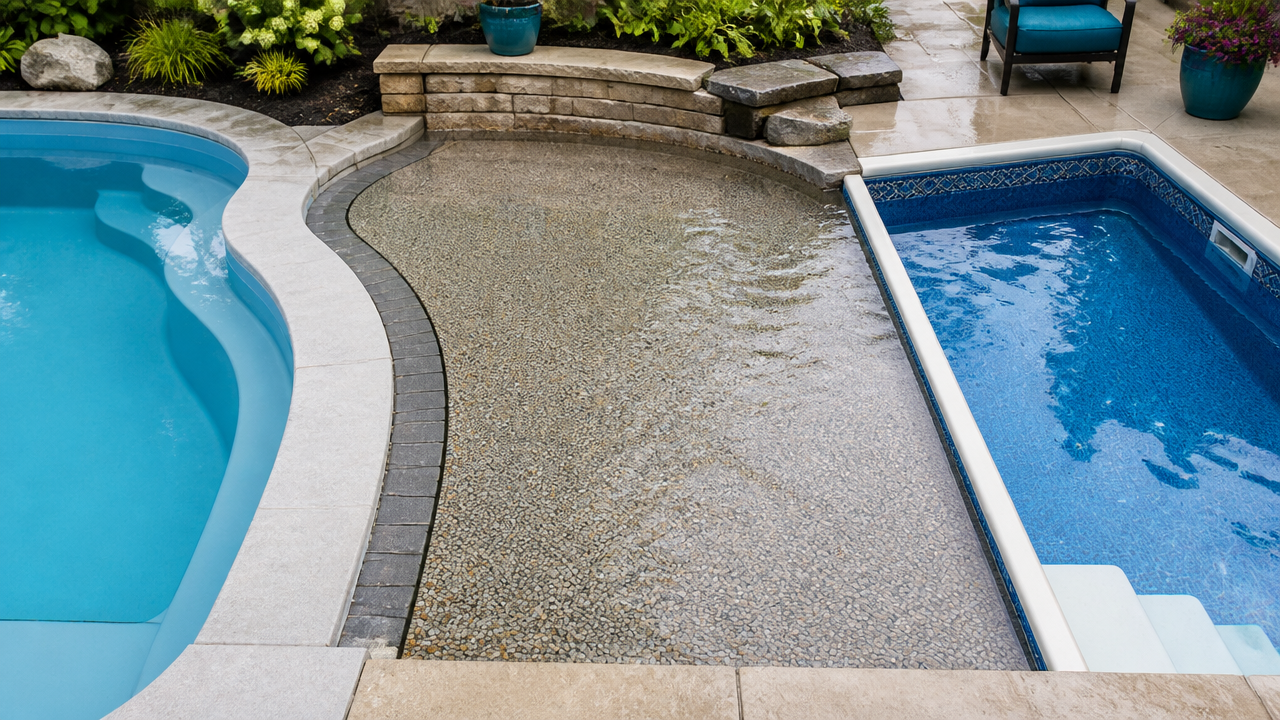
Vinyl liner builds can lower upfront cost in some markets, but they are less common in Australian residential projects. The main ownership issue is eventual liner replacement, which should be part of the budgeting conversation from the start. If that option is on your shortlist, this guide to pool liner replacement is worth reading early.
What does the full project really cost?
The total installed cost is usually much higher than the pool shell alone. Small fibreglass builds can start in the high tens of thousands, while larger custom concrete projects can move well into six figures once site works and finishes are included.
The biggest cost drivers are usually:
- excavation and soil conditions
- access for machinery or cranes
- retaining walls and drainage
- coping, paving, and landscaping
- fencing and compliance
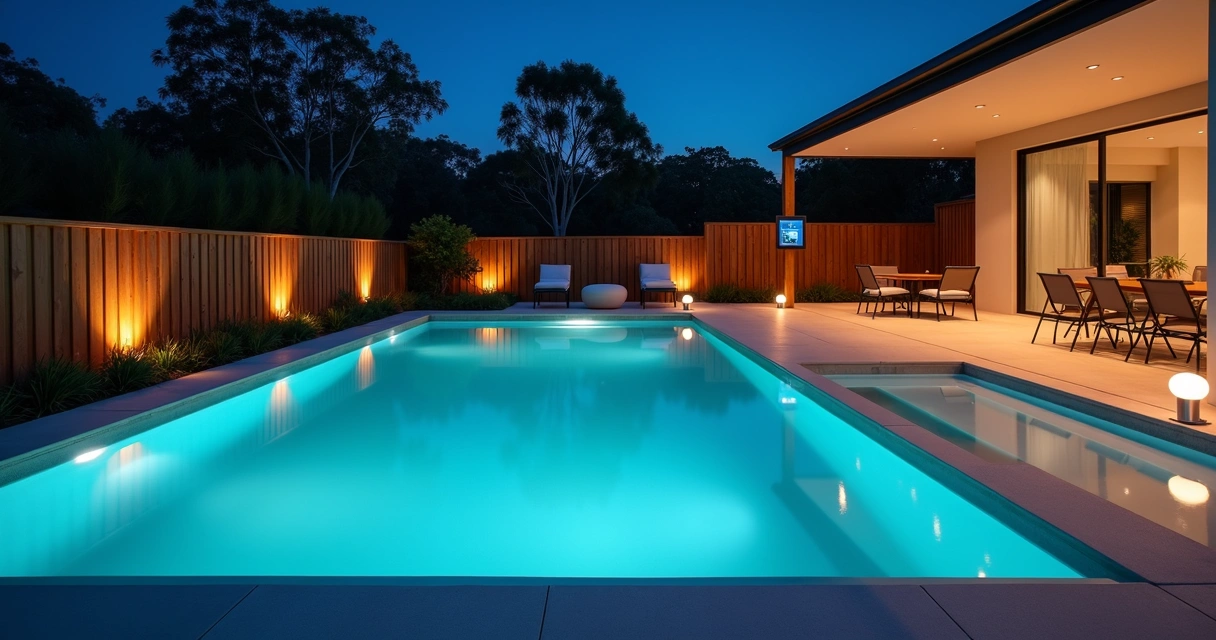
- heating, lighting, covers, and automation
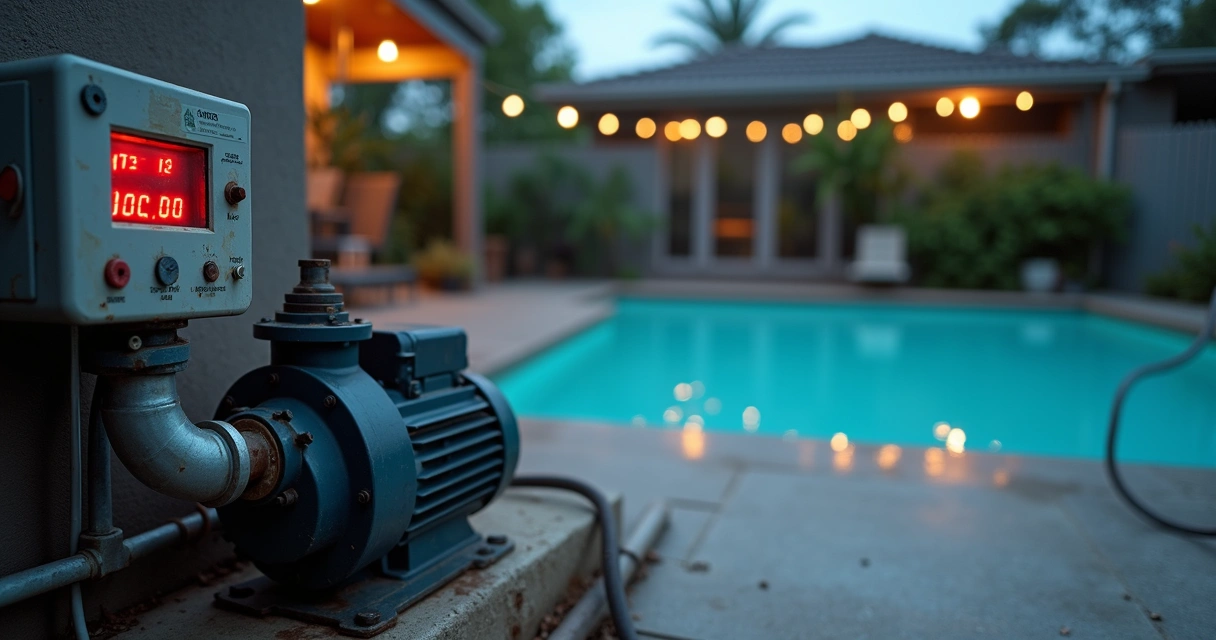
- equipment quality, especially pump and chlorination systems
A useful rule of thumb is this: if the yard is hard to access, sloped, or highly finished, the extras can rival the shell cost. That is why the best quote is the one that exposes every line item clearly, not the one with the lowest headline number.
Is a pool expensive to run?
It can be, but poor management is usually the culprit. Ongoing ownership costs come from electricity, chemicals, water top-ups, replacement parts, and the occasional recovery job when the balance goes off track.
Most homeowners can keep costs far more predictable by choosing an efficient pump, running sensible schedules, and preventing chemistry blowouts. If you want a sharper view of where the money goes, these tips to cut pool running costs are a good companion to your build planning.
Salt pools are often easier for day-to-day comfort, but they are not maintenance-free. Equipment still needs watching, and every pool benefits from accurate testing and measured dosing rather than guesswork.
How much maintenance should you expect?
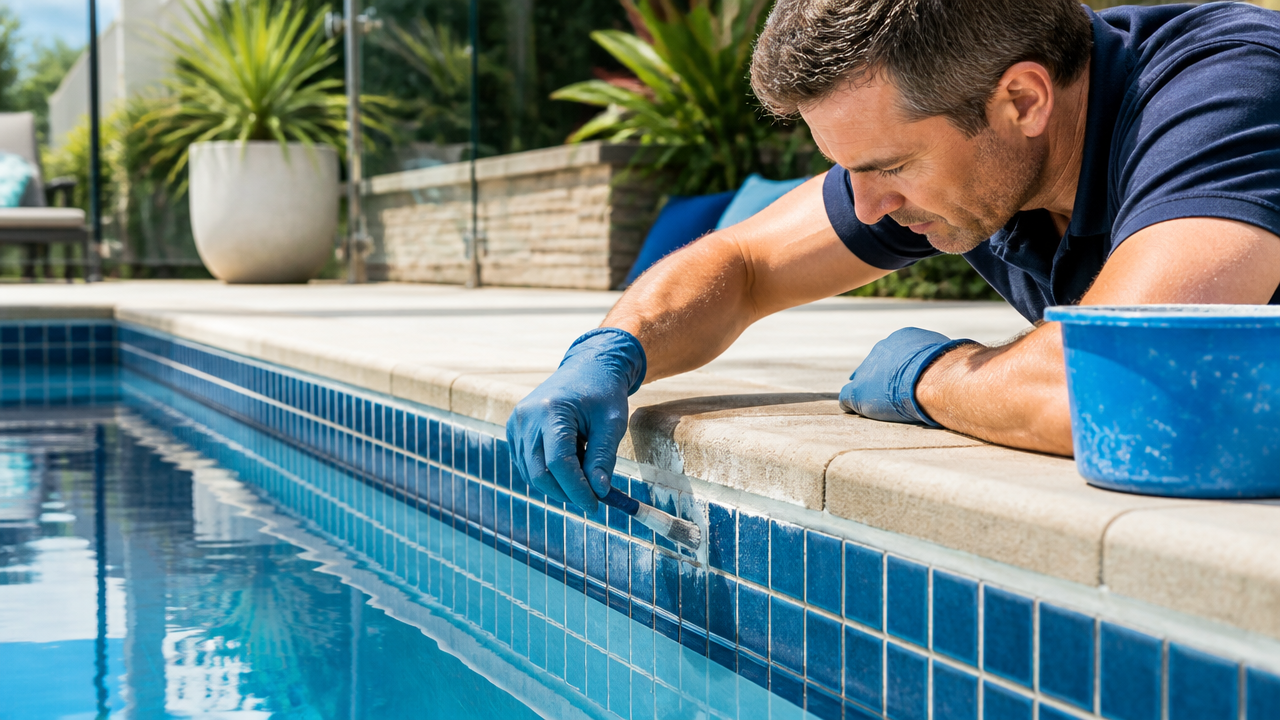
Expect regular, light maintenance, not constant hard work, if the pool is set up well. The basics are skimming, brushing, emptying baskets, checking equipment, and keeping your chemistry in range.
In Queensland and other warm regions, summer storms, heavy rain, and long swim seasons can make the water drift faster. That means more frequent checks during hot months, plus quick action after downpours or heavy use. A solid Queensland pool maintenance routine helps prevent small issues from turning into a green pool or a costly equipment problem.
Seasonal care also matters. Even in winter, the pool does not look after itself. Pump timing, chlorination output, and target ranges often need adjustment as water temperature changes.
What usually goes wrong after installation?
The most common problems are not dramatic build failures. They are slow, annoying issues that start with neglected chemistry, oversized chemical advice, or missed equipment changes.
- low chlorine after heavy rain or a heatwave
- algae after holidays or stormy weather
- rising stabiliser, salt, or calcium levels
- pump schedules that waste power
- surface wear from poor water balance
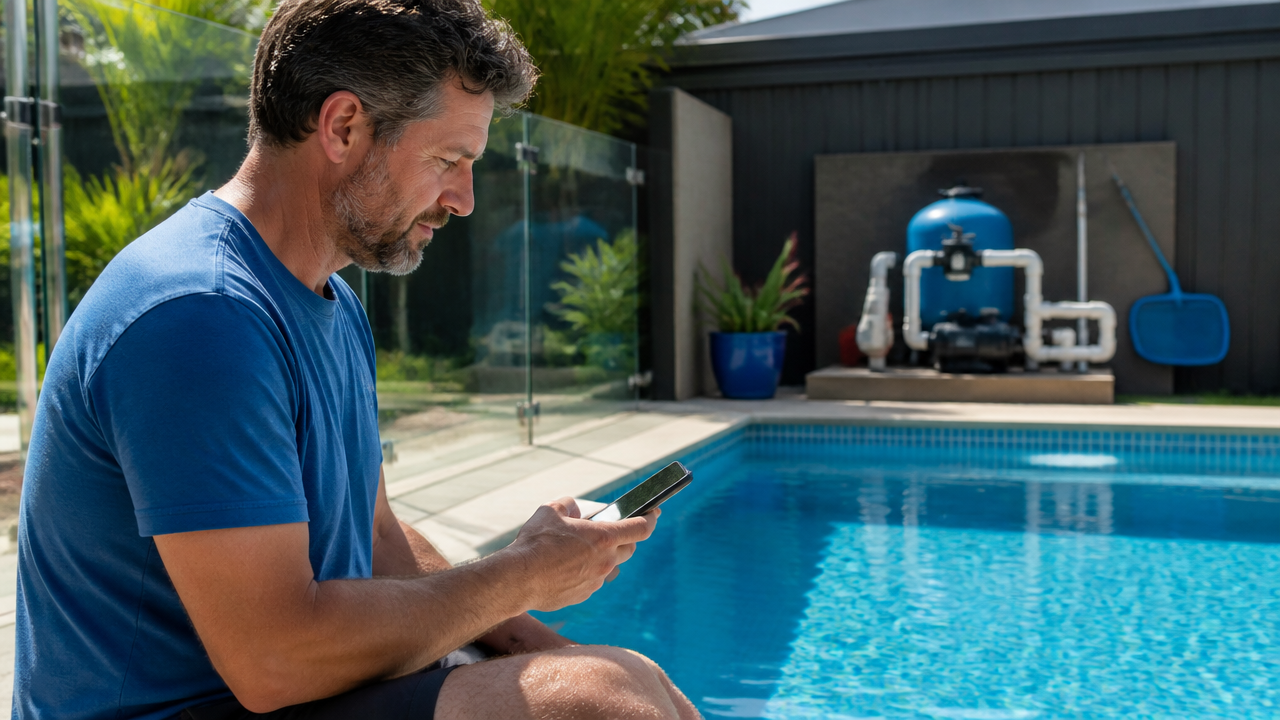
This is where MyPoolMate is especially useful. Instead of generic pool shop dosing, the app tracks your specific pool profile, stores test history, and helps you act on the actual cause of the problem. If things go sideways, the recovery tools and Splash, the in-app AI assistant, can guide you through the next steps using your latest readings. For owners worried about green water, the guide on getting rid of pool algae for good shows why early intervention matters.
Does a pool add value, or just add work?
For the right buyer, it can do both. A well-designed pool can improve how a home feels and how often the yard gets used, but it also creates an ongoing maintenance commitment that some buyers will see as a downside.
In practical terms, the value question is less about resale maths and more about lifestyle fit. If your household will swim often, entertain outdoors, and keep up with maintenance, a pool can be a strong quality-of-life upgrade. If usage will be occasional, it may become an expensive feature you service more than you enjoy.
How do you make ownership easier from day one?
The easiest pool to own is the one with clear records, realistic targets, and a routine you can actually stick to. That means choosing good equipment, understanding your seasonal chemistry, and avoiding one-size-fits-all advice.
MyPoolMate was built for exactly this problem. You can log your pool details, enter results manually or scan pool shop printouts, review trends, and get personalised recommendations instead of broad chemical upsells. If you want a smarter way to manage targets and dosing once the pool is in, the article on AI pool water analysis explains how that approach works in real life.
Before you sign a contract, ask yourself one blunt question: do you want the cheapest installation, or the pool that will be easiest to own for the next ten years? For most families, that is the decision that matters.
Perguntas frequentes
What does an in-ground pool usually cost in Australia?
For many Australian homes, a professionally installed in-ground pool starts in the high tens of thousands for a smaller fibreglass setup. Costs rise quickly when you add difficult access, retaining work, premium paving, heating, water features, larger sizes, or a fully custom concrete design.
What is the cheapest type of in-ground pool to install?
Fibreglass is often the lowest cost installed option for a standard backyard pool, especially when the site is straightforward. It is faster to install than concrete and usually simpler to maintain, but the cheapest overall project still depends on access, soil, fencing, and the equipment package.
Is an in-ground pool worth the money?
It can be, if you value regular swimming, easier family entertaining, and making better use of your yard. It is less compelling if the pool will sit unused for much of the year, or if the total project cost and ongoing care will stretch the household budget.
Is an in-ground pool expensive to run?
Yes, it can be expensive to run if the pump schedule is inefficient or the water balance is handled badly. The good news is most ongoing costs come from a few controllable areas: pump hours, heating, chemical dosing, water loss, and how quickly you fix problems like algae or low chlorine.
How long does an in-ground pool last?
A well-built in-ground pool can last for decades, but different parts age at different rates. The shell usually outlasts the surface finish, equipment, and fittings, so owners should expect periodic upgrades such as pumps, chlorinators, lights, liners, or resurfacing over the life of the pool.